Softball Equipment for Training, Competition, and Players at Every Level
17 Sep, 2026
258 Views 0 Like(s)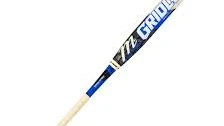
Choosing softball equipment starts with understanding what a player actually needs for practices and games. A complete setup can include a softball bat, glove, batting gloves, helmet, protective equipment, cleats, apparel, and a bag for transporting everything.
Softball requires players to combine speed, coordination, technique, and quick decision-making throughout every game. Having suitable equipment can help players prepare effectively for practices while giving them the tools they need for competition. The equipment required can vary depending on age, position, experience, and playing environment. From bats and gloves to helmets, protective gear, cleats, and bags, each item has a specific role within a player's setup. Sports Excellence brings together softball products from established sporting brands, giving players and families different options when preparing for the season.
Building a Complete Softball Setup
Choosing softball equipment starts with understanding what a player actually needs for practices and games. A complete setup can include a softball bat, glove, batting gloves, helmet, protective equipment, cleats, apparel, and a bag for transporting everything. Sports Excellence's softball collection includes categories covering bats, gloves, helmets, protective gear, cleats, bags, apparel, and accessories, allowing players to approach equipment shopping as a complete process.
Players at different stages may have different requirements. A younger athlete may need equipment focused on appropriate sizing and comfortable movement, while an experienced player may have more specific preferences regarding bat construction, glove position, or protective equipment. Considering the player's role and level before purchasing can make it easier to select products that fit the way they actually play.
Selecting the Right Softball Bat
The bat is central to offensive play, so players should consider several factors before choosing one. Length, weight, drop, material, barrel design, and league requirements can all influence whether a bat is appropriate for a particular player.
Players should also check the rules of their league or organization before purchasing a bat. Different levels of softball can have different certification requirements, making it important to confirm that the selected model is permitted for the player's competition.
Finding a Glove for Your Position
A softball glove should correspond with the player's position and playing style. Infielders may prefer a glove that supports quick transfers, while outfielders often look for a design that provides suitable reach and catching area. Catchers and pitchers can have additional considerations based on their specific responsibilities.
Fit is also important. A glove should feel secure while still allowing the player to control the ball naturally. Breaking in a new glove properly can also help it become more comfortable over time.
Choosing Softball Equipment for Practice and Game Day
When comparing Softball Equipment, players should think about how each item will be used during both training and competition. Practice can involve repeated drills, batting sessions, fielding exercises, and conditioning, while game day requires a complete setup that is comfortable and easy to organize. Sports Excellence offers softball products across several categories, helping players prepare for different parts of their routine.
Equipment should also be checked regularly throughout the season. Frequent use can cause bats, gloves, helmets, cleats, and protective gear to show signs of wear. Identifying these issues before a game can help players avoid unexpected equipment problems.
Why Protective Gear Matters
Softball players may need protective equipment depending on their position and level of play. Helmets, face protection, catcher's gear, and other protective products can form an important part of a player's overall setup.
The correct equipment should fit securely without interfering with normal movement. Players and parents should follow applicable league requirements and manufacturer guidance when selecting and using protective products.
Choosing Softball Cleats
Footwear plays an important role in field movement. Players need to accelerate, stop, turn, and move laterally during both defensive and offensive situations. Cleats designed for the appropriate playing surface can provide traction suited to those movements.
Fit should remain a priority when selecting footwear. Players who train frequently may also want to consider comfort and durability because cleats can experience considerable use during a season.
Softball Gear for Youth and Adult Players
Softball equipment needs can change considerably as players grow and develop. Youth players generally require appropriately sized products, while adult athletes may have more specific preferences based on position and experience.
Sportsexcellence provides softball products for different player needs, with categories that help shoppers explore equipment according to the type of product they require.
Parents can periodically review a young player's equipment to make sure it still fits correctly. Growing athletes may outgrow gloves, helmets, footwear, or protective gear before those products necessarily appear heavily worn.
Keeping Equipment Organized During the Season
A softball bag can make it easier to transport and organize equipment between home, practice, and games. Players may need to carry bats, gloves, helmets, cleats, protective equipment, clothing, and smaller accessories.
Keeping frequently used items in consistent places can make preparation more efficient. Players can also inspect their bags regularly and remove unnecessary items so that essential equipment remains easy to access.
Training Accessories for Skill Development
Equipment used outside regular games can support skill development and repetitive practice. Training balls, practice tools, hitting accessories, and other products can be useful for players working on specific areas of their game.
The most useful training equipment depends on the player's goals. Someone working on hitting may need different tools from a player focused on fielding, throwing, or catching. Choosing training products around a specific skill can make practice sessions more purposeful.
Maintaining Softball Gear for Longer Use
Regular maintenance can help players keep their equipment in usable condition throughout the season. Gloves should be stored appropriately, bats should be inspected for damage, and helmets and protective gear should be checked regularly.
Cleats should also be cleaned after use and stored properly. Allowing wet equipment to dry before placing it in a closed bag can help reduce moisture-related problems and unpleasant odors.
Preparing for a New Softball Season
Before a new season begins, players can make a simple inspection of their existing equipment. Checking glove condition, bat wear, helmet fit, cleats, protective gear, and accessories can reveal what needs to be replaced or upgraded.
It is also useful to confirm league requirements before buying new equipment. Certification rules, sizing requirements, and position-specific needs can influence which products are appropriate for competition.
Finding Softball Gear at Sports Excellence
Building a softball setup is easier when players consider their position, age, playing level, field conditions, and training routine before selecting individual products. Bats and gloves are central to the game, while helmets, protective gear, cleats, bags, and accessories complete the overall setup.
Sports Excellence provides a wide range of softball products across these categories, helping players and families explore equipment for practices and game day. By focusing on fit, appropriate specifications, regular maintenance, and individual playing requirements, athletes can create a setup that supports their softball routine throughout the season.


Comments
Login to Comment