Snowball method – an easy and rapid way to get rid of debt
27 Apr, 2026
1958 Views 0 Like(s)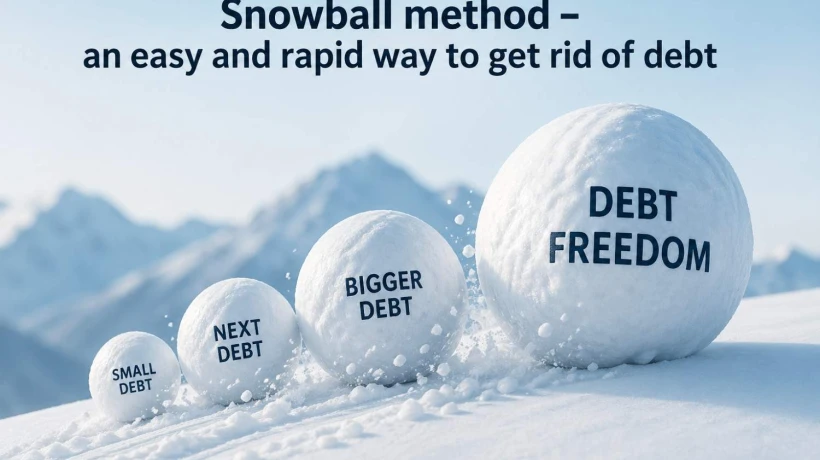
A debt snowball method can help you get rid of outstanding debts faster. If it does not work for you, consider alternatives such as consolidation loans for bad credit and the debt avalanche.
There are various methods to clear debt when they become overwhelming, but each of them works differently and involves eligibility criteria. Snowballing is one of them. A debt snowball strategy involves paying a minimum payment to all of your debts except one, which will be the smallest one or the one that you prioritise, and overpaying as much as you can. Once the debt is paid, you will move to the second priority debt on the list.
It seems very easy, but there are certain points to bear in mind:
- You cannot snowball unless you pay at least the minimum towards non-priority debts each month.
- Snowballing cannot be an effective solution if the debt size is too big.
- There is no guarantee that you will not have any problems if you manage to make monthly payments. If you continue to rack up credit cards, you are accumulating debt rather than clearing it.
- You should be able to cut out the use of credit cards until all debts are settled. If you cannot, you will have to make significant cutbacks in your lifestyle.
- If you have debt of £5,000, you might be able to make it work for you, but if you have £30,000, a ray of hope of getting out of debt is far from reality. You may have to consider insolvency.
Whether you consider a debt snowball method pr any other alternative, such as a debt avalanche and a debt consolidation loan for bad credit, none of them might prove to be an effective solution.
Difference between snowball, avalanche and consolidation
| Strategies | Snowball | Avalanche | Consolidation |
| How it works | Pay minimum on all debts and extra money goes towards the smallest debts first. Once cleared, payments are rolled into the next one. The cycle continues until all loans are paid off. | Minimum payments are made to all debts, and an extra amount is paid to the highest interest-rate debt. Once cleared, the second most expensive debt is tackled. This practice continues until all debts are settled. | Combine multiple debts into one large personal loan for lower interest rates. For credit card debt, 0% balance transfer cards are used. |
| Suitability | People who need motivation | People who want to save money | For those who are struggling to keep up with multiple payments. |
| Pros | It is simple to follow, builds momentum. | It saves money on interest payments. | One fixed monthly payment, peace of mind |
| Cons | Over time, they may cost you more money. | Anxiety keeps gripping you because of lower progress | Strict approval criteria, not always possible to combine all loans |
Ways to pay off debt using a debt snowball method?
Here are the ways to pay off debt using a debt snowball method:
- Make a list of all loans you owe. It also includes credit card bills.
- The order of debts will range from the smallest amount to the largest.
- Now you will determine the minimum payment of each debt.
- You will start making the minimum payment to all debts every month, but the smallest loan will require you to make an additional payment on top of that for early settlement.
- Once you have settled this loan, you will start making extra payments to the second debt in the list.
- This cycle will continue to the third, fourth or so on until all loans are paid off.
Make sure that you review your budget because any unexpected expenditure can make it complicated for you to adhere to minimum payments.
What are the pros and cons of the debt snowball method?
Here are the upsides and downsides of the debt snowball method:
- It helps save money
This method can help save you money because it keeps you motivated to keep making minimum payments. Sooner or later, you will get rid of debt.
- It speeds up debt payments
As this method helps you settle your debts faster, you will be able to utilise your cash to achieve other goals. You might be able to stash them away, or you can invest them.
- It helps you stay motivated
When it comes to clearing outstanding debts, you will have to maintain discipline and consistency. A debt snowball strategy helps with maintaining discipline in payment, as you feel motivated when you see your balance becoming lower.
- It may not maximise your interest savings
While snowballing helps save some money on interest, you will end up paying a lot more over time. This is because you are starting with the smallest-sized debts rather than the most expensive ones.
- It may take a bit longer time
It can take a bit longer to pay off debts, especially if the minimum payments on the largest loans are quite low.
- You will need to stay focused
You will need to ensure that you will not struggle with making minimum payments, even if unexpected expenses crop up. Change your spending habits so you do not rack up more debt.
What if the debt snowball method does not work for you?
If you find that a debt snowball strategy is not appropriate for you, you should consider the following alternatives:
- A debt avalanche method
According to this method, you will start clearing debts that charge very high interest rates. The idea is that you are eliminating the most expensive debts. The sooner you get rid of them, the more money you will save.
- Debt consolidation
You take out a personal loan to pay off all your existing debts. If your credit score is good, you will be able to get a low interest rate. This brings peace of mind because you will pay down the loan in fixed instalments.
The final word
Snowballing is certainly the easiest way to get out of debt, as it keeps you motivated to keep making minimum payments. However, this method works only if the debt amount is not too large and you are absolutely certain about your minimum payment potential.

Comments
Login to Comment