Signs You May Need a Cavity Filling Sooner Than You Think
14 Sep, 2026
283 Views 0 Like(s)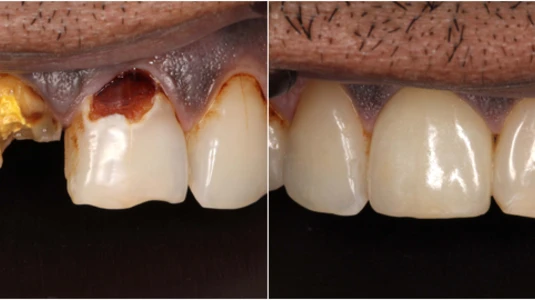
Cavities do not always cause noticeable symptoms in their early stages. Learn about common warning signs such as tooth sensitivity, persistent pain, discoloration, food getting stuck, rough tooth surfaces, and unusual tastes that may indicate you need a cavity filling sooner than expected. Early dental evaluation can help prevent tooth decay from becoming more serious.
Cavities are among the most common dental problems, but they do not always cause obvious symptoms in their early stages. A small area of tooth decay can gradually become deeper and affect the inner layers of the tooth. Recognizing the warning signs early can help you seek dental care before the problem becomes more complicated.
While only a dental examination can confirm whether you need a filling, certain changes in your teeth can indicate that it is time to schedule an appointment.
Increased Tooth Sensitivity
One of the early signs of tooth decay can be increased sensitivity to hot, cold, sweet, or acidic foods and drinks. You may notice a quick, sharp sensation when drinking something cold or eating a sweet snack.
Sensitivity can have several causes, including worn enamel, gum recession, or other dental issues. However, if sensitivity is new or repeatedly affects the same tooth, it is worth having the area checked by a dentist.
Persistent Toothache
Occasional sensitivity may not always indicate a cavity, but persistent pain deserves attention. A dull ache or recurring discomfort in one particular tooth can occur when decay progresses deeper into the tooth.
If pain becomes more frequent or starts affecting your ability to eat comfortably, delaying treatment may allow the decay to advance. A dentist can evaluate the tooth and determine whether a filling or another treatment is necessary.
Visible Dark Spots or Discoloration
Changes in the color of a tooth can sometimes indicate decay. You may notice a brown, black, or unusually dark spot on the surface of a tooth.
Not every dark spot is a cavity. Some discoloration can result from staining caused by foods, drinks, or other factors. However, a new or changing spot should be evaluated rather than ignored, particularly if it is accompanied by sensitivity or discomfort.
Food Frequently Gets Stuck
If food repeatedly becomes trapped between the same teeth, it may indicate a change in the tooth's surface or the space between the teeth. In some cases, decay can create an area where food particles collect more easily.
Repeated food trapping can also contribute to plaque buildup and gum irritation. A dental examination can help determine whether a cavity or another issue is responsible.
Rough or Damaged Tooth Surface
You may notice that a tooth feels rough, uneven, or different when your tongue moves across it. A small cavity or damaged area can sometimes change the texture of the tooth.
Although a rough surface does not automatically mean that you need a filling, a new change in texture should be checked, especially if it does not go away with normal brushing.
Bad Breath or an Unpleasant Taste
Persistent bad breath or a recurring unpleasant taste in your mouth can sometimes be associated with dental decay, trapped food, gum problems, or infection. These symptoms are not specific to cavities, but they should not be overlooked when they occur alongside tooth sensitivity or pain.
Identifying the underlying cause early can help prevent a minor dental problem from becoming more serious.
Why Early Treatment Matters
A cavity does not typically repair itself once significant tooth structure has been damaged by decay. Without treatment, decay can continue progressing toward the inner portion of the tooth. More advanced decay may eventually require more extensive restorative treatment.
When detected early, a filling may be enough to remove the decayed portion and restore the tooth. The sooner the problem is evaluated, the more options may be available for protecting the natural tooth.
When Should You See a Dentist?
If you experience persistent sensitivity, tooth pain, visible discoloration, food trapping, or changes in the surface of a tooth, consider scheduling a dental examination. Regular checkups are also important because cavities can develop without noticeable symptoms.
At Dublin Metro Dental, patients can receive comprehensive dental evaluations to identify tooth decay and determine the appropriate treatment. Tooth-colored cavity fillings may be recommended when decay has damaged a tooth but enough healthy structure remains for a filling to restore it.
Final Thoughts
Cavities can develop quietly, making early warning signs easy to dismiss. Sensitivity, persistent pain, discoloration, food trapping, rough surfaces, and unusual tastes can all be reasons to have your teeth evaluated.
Seeking professional dental care early can help identify decay before it progresses and may allow a simple filling to restore the affected tooth. Maintaining good oral hygiene, limiting frequent sugary snacks and drinks, and attending regular dental examinations can also help protect your smile and support long-term oral health.



Comments
Login to Comment