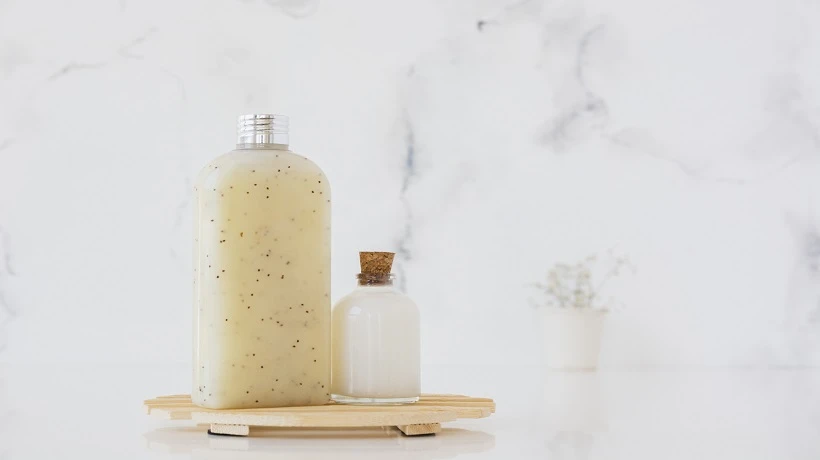
The demand for customized and natural hair care products has grown rapidly in recent years. Many people are now shifting toward DIY hair care solutions to avoid harsh chemicals and create products according to their specific hair needs. One of the most important ingredients used in homemade shampoos is a shampoo base.
A shampoo base is a ready-made foundation that helps you create your own shampoo easily without dealing with complicated cosmetic formulations. It simplifies the shampoo-making process and allows beginners as well as professional formulators to develop personalized hair care products.
Whether you want a sulfate-free shampoo, a moisturizing shampoo for dry hair, or a herbal shampoo for scalp nourishment, using a shampoo base makes the process quick and convenient.
In this blog, we will discuss everything about shampoo bases, including their benefits, types, ingredients, uses, and how to choose the right shampoo base for your hair care formulations.
What Is a Shampoo Base?
A shampoo base is a pre-formulated liquid cleanser that serves as the primary foundation for making shampoos. It already contains cleansing agents, stabilizers, and texture-enhancing ingredients, making it easy to customize with additional oils, extracts, fragrances, and active ingredients.
Instead of preparing shampoo entirely from scratch, users can simply modify the base according to their preferences. This saves time and reduces formulation complexity.
Most shampoo bases are designed to:
-
Cleanse the scalp effectively
-
Remove excess oil and dirt
-
Produce good foam and lather
-
Maintain proper hair texture
-
Support customization with additives
Shampoo bases are commonly used by DIY skincare enthusiasts, salon professionals, small cosmetic businesses, and homemade beauty product brands.
Benefits of Using a Shampoo Base
1. Easy to Customize
One of the biggest advantages of shampoo bases is customization. You can create shampoos according to your hair type and concerns by adding ingredients such as:
-
Essential oils
-
Herbal extracts
-
Carrier oils
-
Proteins
-
Vitamins
-
Fragrance oils
For example, tea tree oil can be added for dandruff-prone scalp, while argan oil works well for dry and damaged hair.
2. Beginner-Friendly
Making shampoo from scratch requires knowledge of surfactants, pH balancing, preservatives, and viscosity adjustment. Shampoo bases eliminate most of these technical challenges, making them perfect for beginners.
Even someone with no formulation experience can easily create a customized shampoo at home.
3. Saves Time
Creating shampoos from raw ingredients can be time-consuming. Since shampoo bases are already formulated, you only need to mix additional ingredients into the base and bottle the final product.
This helps save a significant amount of preparation time.
4. Cost-Effective
Purchasing individual cosmetic ingredients separately can become expensive. A shampoo base combines many essential ingredients into one product, making it a more affordable option for small-scale formulations.
5. Gentle Hair Cleansing
Most modern shampoo bases are formulated with mild surfactants that cleanse the scalp without removing natural oils excessively. This helps maintain healthy hair texture and scalp moisture.
Types of Shampoo Bases
There are several types of shampoo bases available in the market. Each type is designed for specific hair care needs.
1. Sulfate-Free Shampoo Base
Sulfate-free shampoo bases use mild cleansing agents instead of harsh sulfates like SLS or SLES.
Benefits:
-
Gentle on scalp
-
Reduces dryness
-
Suitable for color-treated hair
-
Helps maintain moisture
Best For:
-
Dry hair
-
Curly hair
-
Sensitive scalp
-
Chemically treated hair
2. Herbal Shampoo Base
Herbal shampoo bases contain botanical ingredients and plant extracts that provide nourishment to the hair and scalp.
Common Herbal Ingredients:
-
Aloe vera
-
Neem
-
Hibiscus
-
Green tea
-
Rosemary
Benefits:
-
Nourishes scalp
-
Supports healthy hair growth
-
Suitable for natural formulations
3. Conditioning Shampoo Base
Conditioning shampoo bases contain moisturizing ingredients that help soften hair while cleansing it.
Benefits:
-
Reduces frizz
-
Improves smoothness
-
Adds shine to hair
Best For:
-
Dry hair
-
Frizzy hair
-
Damaged hair
4. Transparent Shampoo Base
Transparent shampoo bases have a clear appearance and are often used for premium-looking shampoos.
Benefits:
-
Attractive appearance
-
Easy to color
-
Suitable for luxury formulations
Common Ingredients Found in Shampoo Bases
Understanding shampoo base ingredients can help you choose the right formulation for your hair type.
Surfactants
Surfactants are cleansing agents responsible for removing dirt and oil from the scalp.
Common Mild Surfactants:
-
Cocamidopropyl Betaine
-
Decyl Glucoside
-
Coco Glucoside
These surfactants are generally milder compared to traditional sulfates.
Conditioning Agents
Conditioning ingredients improve hair texture and softness.
Examples:
-
Glycerin
-
Panthenol
-
Hydrolyzed proteins
These ingredients help maintain moisture and improve hair manageability.
Preservatives
Preservatives prevent bacterial and fungal contamination and improve product shelf life.
Common Preservatives:
-
Phenoxyethanol
-
Sodium Benzoate
-
Potassium Sorbate
Thickening Agents
These ingredients improve shampoo consistency and texture.
Examples:
-
Xanthan Gum
-
Guar Gum
How to Use a Shampoo Base
Using a shampoo base is simple and does not require advanced cosmetic formulation skills.
Step 1: Select the Shampoo Base
Choose a base suitable for your hair type and desired formulation.
Step 2: Add Active Ingredients
You can customize the shampoo by adding beneficial ingredients.
Popular Additives:
-
Argan oil for hydration
-
Tea tree oil for dandruff
-
Rosemary oil for hair growth
-
Aloe vera extract for scalp soothing
Step 3: Mix Properly
Stir the mixture gently to ensure all ingredients blend evenly.
Avoid excessive mixing to prevent air bubbles.
Step 4: Add Fragrance and Color
You may add fragrance oils or natural colorants to improve the appearance and aroma of the shampoo.
Step 5: Bottle the Shampoo
Transfer the finished shampoo into clean and sterilized bottles for storage.
DIY Shampoo Recipe Using Shampoo Base
Moisturizing Shampoo for Dry Hair
Ingredients:
-
100 ml shampoo base
-
5 ml argan oil
-
5 ml aloe vera extract
-
5 drops lavender essential oil
Method:
-
Pour the shampoo base into a clean bowl.
-
Add argan oil and aloe vera extract.
-
Mix gently.
-
Add lavender essential oil.
-
Transfer into a bottle and shake lightly before use.
Benefits:
-
Hydrates dry hair
-
Adds softness and shine
-
Helps reduce frizz
How to Choose the Best Shampoo Base
Selecting the right shampoo base depends on your hair concerns.
For Dry Hair
Choose:
-
Sulfate-free shampoo base
-
Conditioning shampoo base
For Oily Hair
Choose:
-
Clarifying shampoo base
-
Lightweight formulas
For Sensitive Scalp
Choose:
-
Fragrance-free shampoo base
-
Mild surfactants
For Curly Hair
Choose:
-
Moisturizing shampoo base
-
Sulfate-free formulas
Tips for Making Homemade Shampoo
-
Use cosmetic-grade ingredients only
-
Maintain clean equipment during formulation
-
Avoid adding excessive oils
-
Store products in sterilized containers
-
Perform patch testing before use
These steps help improve product safety and quality.
Why Shampoo Bases Are Popular in DIY Hair Care
Shampoo bases have become highly popular because they simplify homemade shampoo production. They allow people to create personalized hair care products without needing professional cosmetic chemistry knowledge.
Many small businesses and DIY beauty brands also use shampoo bases to develop customized private-label shampoos quickly and affordably.
Where to Buy Shampoo Base
If you are planning to create your own shampoos at home, you can buy premium-quality shampoo bases from trusted cosmetic raw material suppliers like Vedaoils. They offer different types of shampoo bases suitable for DIY and professional hair care formulations.
Conclusion
A shampoo base is one of the most convenient ingredients for creating customized shampoos at home. It simplifies the shampoo-making process and allows users to formulate products according to their unique hair care needs.
From sulfate-free and herbal shampoo bases to conditioning formulas, there are various options available for different hair types. By selecting the right shampoo base and adding suitable ingredients, you can create effective, personalized, and nourishing shampoos easily.
Whether you are a beginner, DIY enthusiast, or small cosmetic brand owner, shampoo bases provide a simple and cost-effective way to develop high-quality hair care products.


Comments
Login to Comment