Sew-On vs. Velcro Patches: Which One Actually Fits Your Gear?
21 Aug, 2026
570 Views 0 Like(s)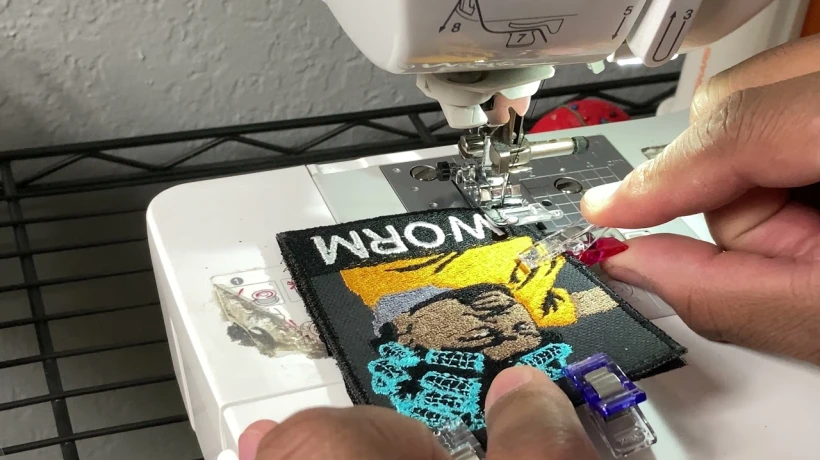
This is why you'll see sew-on backings on denim jackets, varsity jackets, leather vests, and formal uniforms — anywhere a clean, permanent look matters more than flexibility.
Anyone who's shopped for custom patches eventually runs into the same fork in the road: sew-on or Velcro? It sounds like a small detail, but the backing you choose affects how long your patch survives, how much effort it takes to attach, and whether you can move it from one jacket to another next season. Here's a practical breakdown to help you pick the right one.
Sew-On Patches: Built to Stay
A sew-on patch is stitched directly into the fabric with a needle and thread (or a sewing machine, if you're doing this at scale). Because the patch is physically bound to the garment, it lies flat, resists snagging, and holds up to years of wear, washing, and general abuse. This is why you'll see sew-on backings on denim jackets, varsity jackets, leather vests, and formal uniforms — anywhere a clean, permanent look matters more than flexibility.
The tradeoff is exactly what you'd expect: once it's sewn on, it's not coming off easily. If you enjoy swapping patches around or you're outfitting a team that changes gear often, sewing might feel restrictive.
Velcro Patches: Built to Move
Velcro (hook-and-loop) patches work differently. Instead of stitching the patch itself, you sew a loop panel onto the garment once, and then the patch's hook backing presses onto it. That single setup step means you can attach, remove, and rearrange patches whenever you want — no needle required after the initial install.
This is exactly why tactical gear, military and police uniforms, scout vests, and sports jerseys lean so heavily on Velcro. Roles change, ranks get updated, teams get sponsors — and a sew on velcro patch setup lets you update the look in seconds instead of re-stitching every time something changes.
The catch is durability. Hook-and-loop fasteners naturally wear down with repeated use, so Velcro patches typically have a shorter functional life than their sewn counterparts, and the loop panel underneath still has to be sewn on properly for the whole system to hold.
So, Which One Should You Actually Pick?
It really comes down to how often you expect the patch to move:
- Choose sew-on if you want a permanent, polished finish — think uniforms, jackets, or any item you're not planning to alter later.
- Choose Velcro if flexibility matters more than permanence — think tactical loadouts, rotating team gear, or situations where patches need to change often.
Neither option is objectively "better" — they're built for different jobs. A well-made sew-on patch will outlast a Velcro one in raw durability, but a Velcro setup wins on convenience every single time you need to make a swap.
A Quick Note on Care
Regardless of which backing you choose, patches last longer with a little care. Sew-on patches benefit from gentle washing and avoiding high heat on the embroidery. Velcro patches should always be closed (hooks pressed onto loop) before they go into the wash — otherwise the hooks can snag on other fabrics and wear out faster.
Getting Patches Made the Right Way
If you're deciding between backings, it helps to work with a patch maker that offers both options and can walk you through which one suits your specific use case whether that's a company uniform, a motorcycle club vest, or a batch of patches for a sports team. Suppliers who specialize in cheap custom patches can usually produce either backing type at scale without a big jump in price, so the decision really comes down to how the patch will be used, not the cost difference.
For a deeper technical comparison , including durability timelines, wash care, and FAQs on converting a sew-on patch into a Velcro one — Rush Patch has a detailed breakdown of sew-on vs. Velcro patches worth reading before you place an order.
Final Thoughts
The sew-on vs. Velcro debate isn't really about which backing is "stronger" — it's about matching the attachment method to how the patch will actually be used. Permanent, formal, long-term wear? Go sew-on. Frequent changes, tactical use, or team gear that evolves? Velcro is the smarter call. Once you know how the patch needs to behave over its lifetime, the right backing picks itself.



Comments
Login to Comment