Scrap Copper Recycling in Adelaide – Everything You Should Know
25 Mar, 2026
4067 Views 0 Like(s)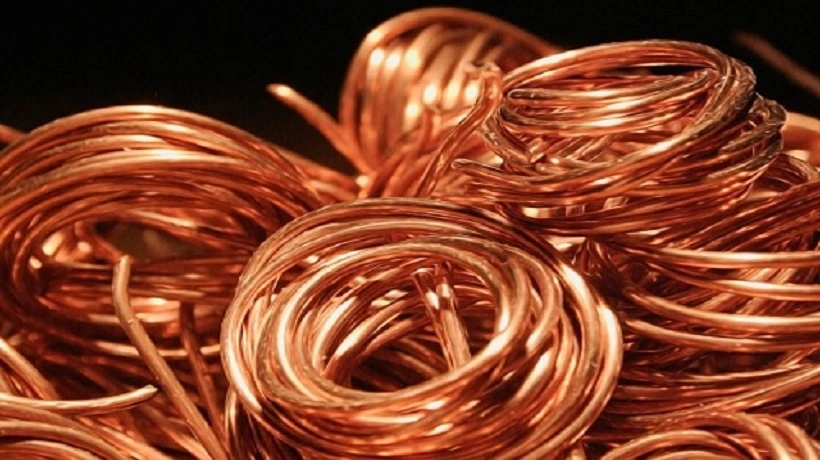
Learn everything about scrap copper recycling in Adelaide, including prices, types, and tips to maximise cash while helping the environment.
The rising popularity of scrap copper recycling in Adelaide is attributed to an increasing demand by people and businesses for environmentally friendly garbage disposal methods that also serve as a source of additional income. The use of copper is widespread, since it is one of the most valuable metals and is used in a wide range of applications, including wiring, plumbing, electric appliances, and construction materials.
Instead of throwing away your unwanted scrap copper, you can recycle it and have both financial and environmental benefits from this process. This guide will provide you with all the details you need to know about scrap copper recycling in Adelaide, as well as how to recycle it, the best types of metals to recycle, and how to maximize the amount of money you receive for your scrap copper.
What Is Scrap Copper Recycling?
The recycling of scrap copper is the collection, sorting, and recycling of used copper materials to produce reusable raw material. Copper can be recycled many times without degrading quality or loss of conductivity; therefore, it is very popular among recycling companies and manufacturers.
In scrap copper Adelaide is collected from residential, construction and industrial operations. After being collected, the copper scrap goes through a cleaning, melting and remanufacturing process into new products including wire, pipe or electronic components.
Types of Scrap Copper
Copper can be valued based on its purity and condition. Here are some of the more common classifications of scrap copper:
1. "Bare Bright" Copper: This is considered the best grade of copper. Bare bright copper is typically clean, uncoated and does not have any insulation. This type of copper will have the highest market value.
2. "#1 Copper": Clean copper tubes, pipes, and wires without any attachments are considered to be "¿1 copper." The value of #1 copper is slightly less than bare bright copper but will still provide a good return on your investment.
3. "#2 Copper": Copper that is not considered clean and has some impurities (paint, soldering debris, minor corrosion) are classified as #2 copper. Although the market value of #2 copper is less than #1 copper, it is still worth recycling.
4. Insulated Copper Wire: Wires that have been insulated with plastic (like in homes and electronics) contain copper. The value of insulated copper wire fluctuates based upon the amount of copper found in the wire and the ease in which the insulation can be stripped off.
5. Mixed Copper: This includes a variety of copper grades that are mixed together. Although the value of mixed copper is lower than sorted copper, it can still yield a reasonable return.
How the Recycling Process Works
The scrap copper recycling process generally consists of five main steps, which are:
Collection - Scrap copper is collected from homes, businesses, and construction sites
Sorting - The collected scrap copper is sorted by both type and quality
Cleaning - Any impurities that may be present in the copper (such as insulation, dirt, or other metals) are removed
Processing - The copper is then melted down and refined for use as a new and reusable material
Reuse - The recycled copper is then used to create new products
This recycling process allows for minimal waste and maximum reuse of copper, which is a valuable resource.
Benefits of Recycling Scrap Copper
There are many benefits for both the individual and the environment by recycling copper, such as:
1. Making Some Extra Cash - Copper is one of the most valuable scrap metals and can be a good source of funding for individuals when recycled. The amount you receive for your copper will be determined by the current market demand at the time.
2. Protecting the Environment - Recycling copper helps reduce the amount of copper that needs to be mined, conserving natural resources and protecting the environment. In addition, when you recycle copper you are also saving energy from mining and production, which also has a positive effect on reducing greenhouse gas emissions.
3. Reducing Landfill Waste - When recycled, copper can be prevented from being placed into a landfill where it can take years to break down.
4. Supporting Sustainable Practices - Recycling copper promotes a circular economy, which encourages reusing instead of throwing away materials.
How to Get the Best Price for Scrap Copper
You can receive maximum money for your scrap copper by following these suggestions:
- Sort out your copper, so that you have different grades of copper to sell, thus you will receive better prices
- Try stripping any insulation off wires.
- Keep all your copper clean and free of any contamination.
- Shop around with different buyers of scrap metals in Adelaide and find the best ones.
- Sell your copper when prices are at their highest.
These actions could greatly enhance how much money you will ultimately receive.
Where to Sell Scrap Copper in Adelaide
Scrap metal companies and recycling centres in Adelaide will accept copper from scrap dealers. When you need to sell copper, they are able to offer you competitive pricing as well as convenient services to help make this easy for you. Drop-off services are available at many locations where copper can be sold.
Look for reputable companies when choosing where to sell your scrap copper recycling because it is important to ensure that they provide clear pricing, ensure that the copper is weighed accurately and provide timely payment. Several of these businesses may also be able to provide same day service, making this process fast and easy as well!
Common Uses of Recycled Copper
Copper that has been reclaimed and recycled has applications throughout a wide range of industries. Some of the most common include:
* Electrical wiring & cables
* Plumbing System & Pipes
* Building Materials
* Electronics & Appliances
* Renewable Energy
Because of the high demand for copper, recycled copper maintains its value and use on a continual basis.
Tips for Safe and Responsible Recycling
To ensure a safe and efficient recycling process, it's important to do the following:
1. Store scrap copper in a secure manner (preventing theft).
2. Handle sharp/heavy materials carefully (to avoid injuring yourself).
3. Follow all local regulations/guidelines (for example, be sure to keep your recycling centre clean/organized).
4. Work with legitimate and licensed recycling companies (not just the first company you come across).
These practices will assist in making the recycling process safe and still provide the maximum recycling benefits (due to improved processing).
Final Thoughts
Recycling scrap copper in Adelaide is an environmentally-friendly and financially-savvy option when dealing with waste. The processes for recycling scrap copper are simple, there is a huge amount of demand in the marketplace, and there are significant environmental benefits from recycling scrap copper; thus, scrap copper recycling provides an excellent solution to potential problems for both business and individual customers.
If you know the different types of scrap copper, prepare your scrap copper correctly prior to recycling, and choose the right buyer to sell your scrap copper; then you can maximise the amount of money you receive for your scrap copper and help the environment become a greener place. If you have any scrap copper that you are planning on having recycled, now is the time to do it and get the most money possible from your scrap copper.


Comments
Login to Comment