Roof Sealing vs Full Roof Replacement: Which Do You Actually Need?
14 Aug, 2026
633 Views 0 Like(s)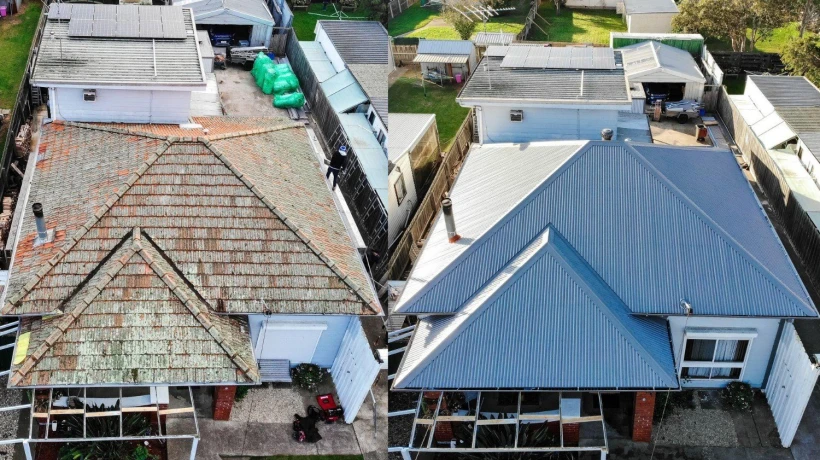
Confused between roof sealing and full roof replacement? See a clear cost and lifespan comparison built for UK weather before you decide.
A tired-looking roof is one of the most stressful things to get quoted for, mostly because the two options on the table sound so far apart. One roofer tells you a seal and reseal will sort it. Another tells you the whole roof needs stripping and replacing. For most UK homeowners, the honest answer sits somewhere in between, and it depends entirely on the condition of your existing tiles, not on which company happens to knock on your door first.
This guide breaks down what roof sealing actually does, when a full replacement is genuinely necessary, and how to tell which one your home needs before you commit to either.
Why This Decision Matters More in the UK
British weather is particularly hard on roofs. Constant freeze-thaw cycles through winter force water into hairline cracks in tiles, where it expands as ice and widens the crack a little more each time. Add near-constant damp, low winter sun that leaves north-facing slopes shaded for months, and the wind-driven rain that's common on exposed or coastal properties, and you've got ideal conditions for moss, algae and porous tiles that let water through faster than they should. This is exactly the environment roof tile sealing was designed to work in.
What Roof Sealing Actually Does
A tile roof sealer is a breathable liquid coating applied across the whole roof surface once it's been cleaned. It soaks into the tile, reducing porosity so the tile absorbs less water, resists moss and algae regrowth, and holds its colour for longer. It doesn't replace tiles or fix structural problems, it protects and extends the life of tiles that are still fundamentally sound.
A typical roof sealing job includes:
· A full clean to remove moss, algae and general grime before treatment.
· Repair or replacement of any individual cracked or slipped tiles.
· Application of a breathable sealant across the whole roof.
· A finish that can restore faded colour, sometimes referred to as roof tiles and paint, without a full re-roof.
Done properly, sealing is one of the more cost-effective roof sealing solutions available for homes where the underlying structure and tiles are still in good condition. It's essentially preventative maintenance rather than a repair.
What Full Roof Replacement Actually Involves
Replacement means stripping the roof back to the timber battens and felt, replacing anything that's rotten or damaged, and fitting new tiles across the whole roof. It's the right call when the problem isn't just the tile surface but the structure underneath it, sagging areas, widespread cracked or slipped tiles, failed felt, or a roof that's simply reached the end of its practical life.
No amount of sealant can fix a structural problem. If your roof needs replacing, sealing it first is a waste of money that only delays the inevitable.
Roof Sealing vs Full Replacement: Side-by-Side Comparison
|
Factor |
Roof Sealing |
Full Roof Replacement |
|
Typical cost (average UK semi) |
£800–£2,000 |
£5,000–£12,000+ |
|
Time to complete |
1–2 days |
1–3 weeks |
|
Disruption to household |
Minimal, roof stays intact |
Scaffolding, skips, noise for days |
|
Lifespan added |
5–15 years, product dependent |
25–50 years (new roof lifespan) |
|
Best suited to |
Roofs under ~20 years old with sound tiles |
Roofs with structural damage, widespread cracking or rot |
|
Addresses porosity & moss |
Yes, that's the core purpose |
Yes, by default with new materials |
|
Addresses structural issues |
No |
Yes |
|
Impact on kerb appeal |
Restores colour and finish |
Full renewal, biggest visual change |
How to Tell Which One Your Roof Needs
· If your tiles are structurally sound but look faded, mossy or are letting damp through, sealing is usually the right first step.
· If you're seeing sagging rooflines, multiple slipped or broken tiles, or damp patches inside the loft, get a structural assessment before considering sealing.
· If your roof is under roughly 20 years old, sealing is very often enough to add another decade or more of protection.
· If your roof is original to a much older property and has never been renewed, a replacement quote is worth getting alongside a sealing quote, so you can compare properly.
|
Editor's note: Roof age and lifespan figures above are general UK guidance and vary by tile material, pitch, aspect and how exposed the property is to wind-driven rain. A physical roof survey is the only reliable way to confirm which option suits your home. |
Why a Proper Roof Sealing Service Matters
Not all roof sealing services are equal. A rushed job, sealant applied without cleaning first, or a cheap product applied without the right dwell time, will fail early and give the whole idea of sealing a bad name. A reputable, accredited installer will assess the roof honestly first, and tell you if replacement is actually the better option, rather than selling you a seal that won't hold.
|
Quick summary
· Sealing protects and extends the life of sound tiles, it doesn't fix structural problems. · Replacement is necessary when there's structural damage, widespread cracking, or failed felt. · UK weather, freeze-thaw, damp and shaded slopes, makes both moss growth and tile porosity worse than in drier climates. · A proper site survey, not a sales pitch, is the only reliable way to know which your roof needs. |
Final Thoughts
Roof sealing and full replacement solve different problems, and the right choice comes down to what's actually happening to your roof, not which option a salesperson would rather sell you. For roofs with sound tiles and no structural issues, sealing is a genuinely effective, lower-cost way to add years of protection against everything British weather throws at it. For roofs with real structural damage, sealing is only delaying a replacement that's already needed. An honest, in-person survey is the only way to know for certain which category your roof falls into.


Comments
Login to Comment