Role of Product Labels in Cosmetic Compliance and Consumer Trust
20 Jan, 2026
9867 Views 0 Like(s)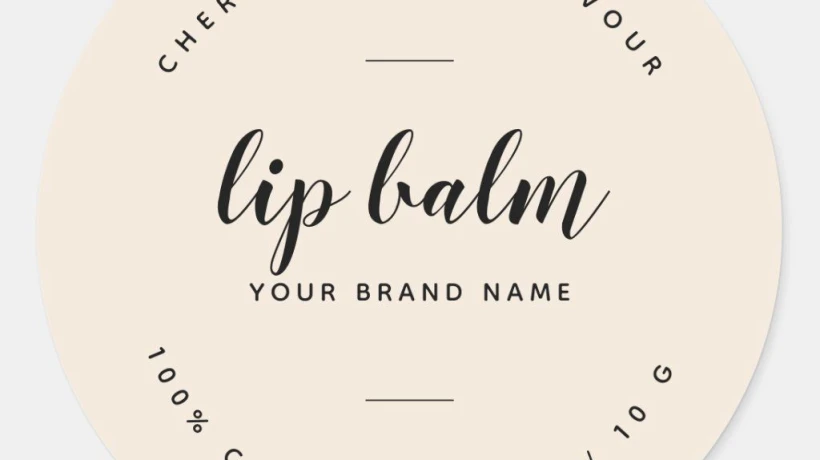
Product labels are far more than decorative elements in cosmetic packaging. They act as legal safeguards, trust builders, and brand communicators all at once.
In the competitive cosmetic industry, product presentation goes far beyond visual appeal. Labels play a critical role in ensuring regulatory compliance, communicating product value, and building long-term consumer trust. Whether applied to skincare, makeup, or lip care items, cosmetic labels serve as both legal documents and branding tools that influence purchasing decisions.
As consumers become more ingredient-conscious and regulators tighten standards, well-designed product labels have become essential for credibility, transparency, and market success.
Understanding Cosmetic Compliance Requirements
Cosmetic compliance refers to meeting legal and regulatory standards set by authorities such as the FDA, EU Cosmetics Regulation, and other international bodies. These regulations exist to protect consumers from misleading claims, unsafe ingredients, and improper usage instructions.
Product labels must clearly present required information, including:
-
Ingredient lists in descending order
-
Manufacturer or distributor details
-
Net quantity of contents
-
Usage instructions and warnings
-
Batch or lot numbers for traceability
Failure to include accurate labeling information can result in product recalls, fines, or loss of consumer confidence.
Labels as a Bridge Between Regulation and Branding
While compliance is mandatory, labels also serve as a visual identity for cosmetic brands. Strategic design allows businesses to communicate trustworthiness while staying within regulatory frameworks. This balance is especially important for branding labels for cosmetics, which must appear attractive without compromising clarity or accuracy.
Consumers often judge a product’s quality and safety based on label presentation. Clean typography, readable layouts, and well-structured information subconsciously signal professionalism and reliability.
Building Consumer Trust Through Transparency
Modern consumers are informed, cautious, and detail-oriented. They actively read labels to evaluate product safety, ethical standards, and ingredient sourcing. Transparent labeling directly impacts purchasing behavior and brand loyalty.
Labels help establish trust by:
-
Clearly disclosing ingredients and allergens
-
Avoiding exaggerated or misleading claims
-
Providing honest product descriptions
-
Offering clear directions for safe usage
When customers understand what they are applying to their skin, they are more likely to trust the brand and make repeat purchases.
Importance of Labels in Lip Care Products
Lip care items require special attention due to direct contact with sensitive skin areas. Lip balm packaging labels must clearly highlight ingredients, especially natural oils, waxes, or medicated components.
For lip care products, labels often communicate:
-
Moisturizing or protective benefits
-
Flavor or scent information
-
Shelf life and storage guidance
-
Safety warnings for children or sensitive users
Clear labeling enhances product usability while reinforcing brand integrity in a highly competitive market.
Enhancing Brand Identity Through Custom Printing
Beyond compliance, customization plays a vital role in differentiation. Custom printed lip balm labels allow brands to align packaging with their identity while maintaining regulatory clarity. Color schemes, fonts, and finishes contribute to brand recognition on crowded retail shelves.
Effective customization strategies include:
-
Using consistent brand colors and logos
-
Selecting finishes that match product positioning
-
Maintaining legible text even on small surfaces
-
Choosing durable materials resistant to moisture and wear
Customization enhances shelf appeal without sacrificing compliance.
Material Choices and Durability in Cosmetic Labels
Cosmetic products are often exposed to humidity, oils, and frequent handling. Therefore, label material selection is crucial for maintaining readability and professionalism throughout the product lifecycle.
Common label material considerations include:
-
Waterproof or oil-resistant coatings
-
Smudge-proof inks
-
Adhesives suitable for curved or compact containers
-
Eco-friendly paper or recyclable films
Durable labels ensure compliance information remains intact, reinforcing trust long after purchase.
Labels as a Marketing and Information Tool
Labels do more than meet regulations—they educate consumers. Well-crafted labels can subtly communicate product benefits, ethical practices, and quality standards without overt promotion.
In lip care product packaging, labels often highlight:
-
Natural or cruelty-free attributes
-
Dermatologist testing information
-
Sustainability commitments
-
Usage benefits in concise language
This informational approach supports informed buying decisions while maintaining credibility.
The Role of Packaging Consistency in Brand Trust
Consistency across packaging and labeling builds recognition and reliability. When label design aligns with outer packaging, it creates a cohesive brand experience that reinforces trust.
Many cosmetic brands integrate labels seamlessly with packaging sourced from custom designs boxes, ensuring visual harmony and professional presentation. This alignment signals attention to detail, which consumers often associate with higher product quality.
Long-Term Impact on Brand Reputation
Brands that prioritize compliant, informative, and visually appealing labels are better positioned for long-term success. Trust built through transparent labeling reduces customer hesitation and increases word-of-mouth referrals.
As cosmetic markets continue to evolve, labeling will remain a key factor in meeting consumer expectations and regulatory demands—especially when paired with thoughtfully developed custom designs boxes that enhance overall presentation.
Conclusion
Product labels are far more than decorative elements in cosmetic packaging. They act as legal safeguards, trust builders, and brand communicators all at once. From ingredient transparency to design consistency, effective labeling supports compliance while strengthening consumer confidence.
In a market driven by awareness and accountability, investing in accurate, durable, and well-designed cosmetic labels is not just a regulatory necessity—it is a strategic business decision that shapes brand perception and long-term growth.


Comments
Login to Comment