Rishikesh Retreat: What to Expect From Your First Wellness Escape
04 Sep, 2026
529 Views 0 Like(s)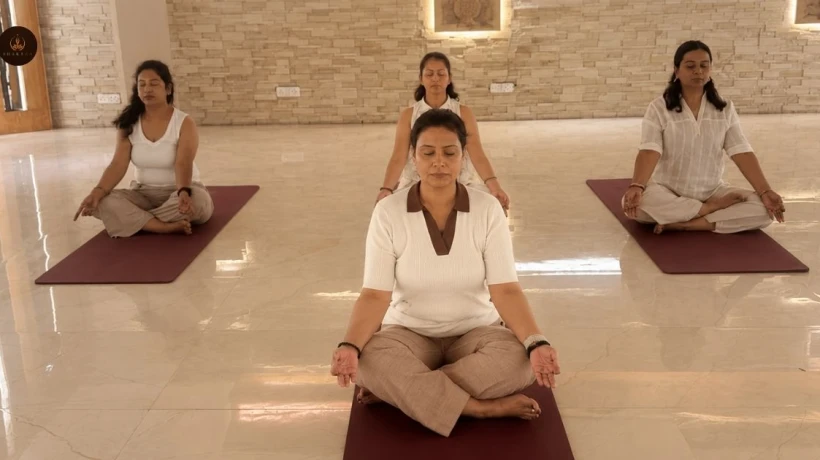
Thinking about a Rishikesh retreat? Learn what to expect, how to choose a programme, what to pack, and how to make your wellness experience more meaningful.
A rishikesh retreat can be very different from an ordinary holiday. Instead of planning every hour around sightseeing, shopping, and restaurants, a retreat usually creates a more deliberate rhythm involving wellness activities, quiet time, healthy meals, and opportunities to slow down.
For a first-time visitor, this change of pace can feel unfamiliar. You may wonder how much yoga you will do, whether you need previous experience, what accommodation will be like, or whether you will have enough free time.
Understanding the experience before arriving can make the transition much easier.
What Is a Retreat in Rishikesh Actually Like?
There is no single retreat format.
Some programmes focus strongly on yoga and meditation, while others combine these practices with wellness activities, nature experiences, workshops, or relaxation.
The common element is usually structure.
You may have a morning session, breakfast, a period of personal time, another activity later in the day, and an evening practice or group gathering.
This rhythm allows you to temporarily step away from your normal responsibilities.
Rather than trying to achieve something every minute, the experience encourages you to become more aware of how you spend your time.
Choosing the Right Rishikesh Retreat
The first question should be: What do you actually want from the retreat?
If you want to improve your physical yoga practice, look for a programme with qualified instructors and clearly described classes.
If relaxation is more important, look for a balanced schedule with meditation, gentle movement, and sufficient free time.
If you are interested in spiritual exploration, investigate the practices and philosophy included in the programme.
Your objective should influence your choice more than marketing language.
Location Can Change the Experience
Rishikesh contains both lively areas and quieter surroundings.
Some travellers enjoy being close to cafés, markets, temples, and other visitors. Others prefer a peaceful location where there are fewer distractions.
Before booking, check the actual address.
A retreat promoted as being in Rishikesh may be situated outside the areas you initially imagine. This is not necessarily a disadvantage, but it is something worth knowing beforehand.
If you want regular access to the Ganga, nearby walking routes, or particular attractions, location becomes especially important.
A Typical Day at a Retreat
A retreat schedule can vary, but many programmes begin relatively early.
A day may include:
-
Morning yoga
-
Meditation or breathing practice
-
Breakfast
-
Personal time
-
Workshops or wellness activities
-
Lunch
-
Rest or exploration
-
Evening practice
-
Group reflection
The exact structure depends on the retreat.
One thing to remember is that you do not have to treat the schedule like a productivity challenge.
The purpose is not to collect as many activities as possible. It is to experience them with greater attention.
The Role of Yoga and Meditation
Yoga and meditation often complement one another.
Yoga can help participants develop awareness of movement and breathing, while meditation creates a quieter space for observation and reflection.
For beginners, this does not need to be complicated.
A retreat may introduce basic breathing exercises, gentle postures, guided meditation, or periods of silence.
If you are looking for a meditation retreat rishikesh experience specifically, check how much of the programme is actually dedicated to meditation.
Some retreats use meditation as one activity among many, while others make it a central part of the experience.
What About Wellness Retreats?
The term wellness can cover a wide range of activities.
Some wellness retreats in Rishikesh focus on yoga, nutrition, and physical wellbeing. Others include sound healing, meditation, breathwork, relaxation, or reflective group activities.
There is no universally correct format.
Think about whether you want an active programme or a slower experience.
If you are already tired when you arrive, a retreat with an intensive timetable may not give you the rest you were hoping for.
Food and Accommodation
Food is an important part of the retreat experience because meals may be included in the daily schedule.
Ask what type of food is served and whether dietary requirements can be accommodated.
Accommodation also deserves attention.
Check whether rooms are private or shared, whether bathrooms are attached, what facilities are available, and whether the environment matches your expectations.
Photos can sometimes be misleading, so recent guest reviews can be useful.
What Should You Pack?
Comfort should generally take priority over fashion.
Useful items can include comfortable clothing, light layers, walking shoes, personal toiletries, a reusable water bottle, and any personal medication or essentials.
Depending on the season and programme, you may also want sun protection or warmer clothing.
Avoid overpacking.
One advantage of a retreat is that you generally do not need to bring everything you would take on a conventional sightseeing trip.
Making the Most of Your First Retreat
Try to arrive without expecting a dramatic transformation.
A retreat may be valuable simply because it gives you permission to slow down.
Put away your phone when you can. Allow yourself to sit quietly. Take a walk. Speak with other participants if you feel comfortable.
You do not have to participate in every optional activity.
Listening to your own energy levels is part of the experience.
Shaktaa, for example, approaches wellness through a women-focused retreat environment where participants can explore practices designed around reflection, connection, and wellbeing.
When a Retreat May Not Be What You Expect
It is worth remembering that a retreat is not a luxury hotel holiday.
Schedules may start early. Group activities require some flexibility. Accommodation may be simpler than what you normally choose.
Knowing this beforehand helps set realistic expectations.
Read the terms, inclusions, reviews, and programme details before booking.
The more clearly you understand the experience, the less likely you are to feel disappointed by something that was actually part of the retreat's design.
Final Thoughts
A rishikesh women based retreat can offer a welcome change from a constantly busy routine, particularly when you approach it with realistic expectations. Whether your interest lies in yoga, meditation, wellness, nature, or simply having uninterrupted time for yourself, the key is choosing a programme that matches your priorities. Look carefully at the schedule, location, accommodation, inclusions, and teaching style before making your decision.
Frequently Asked Questions
1. Is a retreat in Rishikesh suitable for first-time visitors?
Yes. Many programmes are designed to welcome people who have never attended a retreat before.
2. Do I need yoga experience?
Not necessarily. Some retreats are specifically designed for beginners, while others are more advanced.
3. Will I have free time during a retreat?
Most programmes provide some personal time, but the amount varies. Check the daily schedule before booking.
4. Is accommodation included?
Many retreats include accommodation, but this is not universal. Check the package details carefully.
5. What is the biggest benefit of attending a retreat?
For many people, the main benefit is having dedicated time away from normal responsibilities to focus on wellbeing and reflection.



Comments
Login to Comment