Raagi Flour: India's Ancient Superfood for Modern Health
28 Apr, 2026
1943 Views 0 Like(s)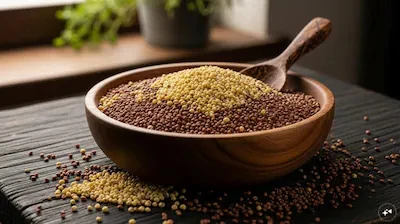
The definitive guide to raagi flour — nutrition, health benefits, cooking uses, and how to choose 100% whole raagi atta for your family.
Introduction: Why Raagi Flour Deserves a Permanent Spot in Your Kitchen
Walk into any traditional South Indian or Himalayan home and you will find a familiar russet-brown flour tucked beside the rice and wheat. That flour is raagi — and it has quietly nourished generations across India for more than 4,000 years. Today, as lifestyle diseases rise and urban Indians rediscover ancient grains, raagi flour is back at the centre of every nutrition conversation.
Raagi flour, milled from finger millet (Eleusine coracana), is one of the most nutritionally dense whole-grain flours available in India. It is naturally gluten-free, extraordinarily rich in calcium, packed with dietary fibre, and carries a low glycaemic index — a rare combination that makes it beneficial for children, adults, diabetics, and the elderly alike.
This complete guide covers: what raagi flour is, its detailed nutritional profile, nine science-backed health benefits, how to use it in everyday cooking, how to compare it against other flours, and exactly what to look for when buying 100% whole raagi atta.
What Is Raagi Flour? The Grain Behind the Goodness
Finger Millet — The Hardy Ancient Grain
Raagi is the Hindi name for finger millet, a small, round, reddish-brown grain belonging to the grass family Poaceae. The crop thrives in semi-arid and hilly regions — Karnataka, Andhra Pradesh, Tamil Nadu, Maharashtra, Uttarakhand, and Himachal Pradesh are India's primary growing states. Finger millet is one of the hardiest cereal crops in existence: it survives poor soil, minimal rainfall, and high altitudes, making it a food-security crop for rural and tribal communities across South Asia and Africa for millennia.
Whole Raagi Atta vs. Refined Raagi Flour
Whole raagi atta retains the entire grain — bran, germ, and endosperm — preserving every mineral, vitamin, amino acid, and fibre strand the grain contains. Refined raagi flour strips away the bran and germ during processing, dramatically reducing fibre, calcium, and micronutrient content. Always look for '100% Whole Raagi Atta' on the label.
|
💡 10on10 Foods: Our 100% Whole Raagi Atta is stone-ground, unrefined, and additive-free — so you get the grain's complete nutrition in every batch. |
Raagi Flour Nutrition: Complete Breakdown Per 100 Grams
Raagi flour's nutritional superiority over refined grains is well-documented. Here is a detailed profile of whole raagi atta:
|
Nutrient |
Per 100g |
Daily Value % |
|
Energy |
328 kcal |
16% |
|
Carbohydrates |
72 g |
24% |
|
Dietary Fibre |
11.5 g |
46% |
|
Protein |
7.3 g |
15% |
|
Total Fat |
1.3 g |
2% |
|
Calcium |
344 mg |
34% |
|
Iron |
3.9 mg |
22% |
|
Phosphorus |
283 mg |
28% |
|
Magnesium |
137 mg |
34% |
|
Potassium |
408 mg |
12% |
|
Zinc |
2.3 mg |
15% |
|
Vitamin B1 (Thiamine) |
0.42 mg |
28% |
|
Vitamin B2 (Riboflavin) |
0.19 mg |
11% |
|
Vitamin B3 (Niacin) |
1.1 mg |
6% |
|
Tryptophan (Essential Amino Acid) |
150 mg |
~ |
Values based on ICMR/NIN nutritional data for whole finger millet. Daily values based on 2,000 kcal diet.
What Makes This Profile Extraordinary?
-
Calcium at 344 mg/100g — higher than milk on a per-gram basis. Exceptional for a plant food.
-
Dietary fibre at 11.5g/100g — comparable to oats, supporting gut health, satiety, and blood sugar management.
-
Glycaemic Index of 54–68 — significantly lower than wheat flour (GI ~71) or white rice (GI ~73).
-
Contains all 8 essential amino acids including tryptophan, methionine, and lysine — rare for a cereal grain.
-
Rich in polyphenols and tannins — potent antioxidant compounds concentrated in the outer bran layer, lost in refined flour.
9 Evidence-Backed Health Benefits of Raagi Flour
1. Exceptional Bone and Dental Health
Raagi flour is the richest plant-based source of calcium among all commonly consumed Indian grains. At 344 mg per 100 grams, it surpasses even dairy on a weight-for-weight basis. Calcium is the primary structural mineral in bones and teeth, and lifelong adequate intake is strongly linked to lower risk of osteoporosis, fractures, and dental deterioration.
For vegetarians, vegans, lactose-intolerant individuals, and children who consume limited dairy, raagi atta provides a dependable, bioavailable calcium source that can be consumed daily without effort or expense.
2. Superior Blood Sugar and Diabetes Management
The low glycaemic index of raagi flour is one of its most clinically relevant properties. High dietary fibre slows gastric emptying and carbohydrate digestion, resulting in a gentler, more gradual rise in blood glucose after meals. This is in sharp contrast to wheat flour (GI ~71) and white rice (GI ~73).
Polyphenols in raagi — particularly tannins and phenolic acids — further inhibit starch-digesting enzymes such as alpha-amylase, reducing post-meal glucose spikes. Peer-reviewed research has consistently found raagi consumption beneficial in managing Type 2 diabetes and insulin resistance.
|
🩺 Diabetics: Replacing 50% of wheat flour in daily rotis with raagi flour can meaningfully reduce post-meal blood sugar spikes over time. Always consult your physician before making dietary changes for medical management. |
3. Weight Management and Long-Lasting Satiety
Raagi flour creates a powerful satiety effect. Its 11.5g of dietary fibre per 100g expands in the digestive tract, slows gastric emptying, and triggers fullness hormones earlier than refined carbohydrates. The result is that fewer total calories are consumed across the day when high-fibre raagi-based meals anchor the diet.
Additionally, raagi's tryptophan content is linked to reduced food cravings. Tryptophan is a precursor to serotonin — the neurotransmitter regulating mood and appetite — suggesting regular raagi consumption may help curb stress-induced eating.
4. Anaemia Prevention Through Rich Iron Content
Iron deficiency anaemia affects a significant proportion of Indian women and children. Raagi flour provides 3.9 mg of iron per 100 grams, a meaningful contribution toward the daily requirement of 17–21 mg for Indian adults. When consumed alongside vitamin C-rich foods (lemon juice, amla, tomatoes), the non-heme iron in raagi is absorbed far more efficiently by the body.
5. Digestive Health and Gut Microbiome Support
Raagi flour is an excellent prebiotic food. Its insoluble fibre feeds beneficial gut bacteria, supports regular bowel movements, and reduces risk of constipation, bloating, and irritable bowel syndrome. Traditional fermented preparations — raagi kanji, ambali, commonly consumed in South India — provide additional probiotic benefit through naturally occurring fermentation cultures.
6. Heart Health and Cholesterol Management
Dietary fibre in raagi flour binds to cholesterol and bile acids in the gut, reducing their reabsorption into the bloodstream and lowering LDL (bad) cholesterol levels. Magnesium at 137 mg per 100g supports healthy blood pressure by relaxing blood vessel walls. Polyphenols in the bran layer act as antioxidants that protect LDL particles from oxidative damage — a key step in the progression of atherosclerosis and cardiovascular disease.
7. Natural Cooling and Nervous System Support
Ayurvedic traditions across South India have long used raagi kanji as a cooling food during summer months. Nutritional science offers a plausible explanation: raagi's tryptophan-to-serotonin conversion pathway, combined with its B-vitamin content, supports the nervous system, promotes calmness, and may improve sleep quality in regular consumers.
8. Ideal First Food for Infants and Growing Children
Raagi flour is one of India's most traditional weaning foods. The combination of calcium, iron, zinc, B-vitamins, and energy density makes it nutritionally ideal for supporting rapid growth and bone development in the first 1,000 days of a child's life. Sprouted raagi flour further improves digestibility and micronutrient bioavailability for young digestive systems.
|
👶 Parents: Raagi malt (raagi porridge with jaggery and milk or water) is a time-tested weaning food. Use 100% whole raagi atta — avoid processed baby raagi products with added sugar and refined flour. |
9. Naturally Gluten-Free — Safe for Celiac and Gluten-Sensitive Individuals
Raagi flour contains zero gluten, making it a safe and highly nutritious alternative to wheat for people with celiac disease or non-celiac gluten sensitivity. Unlike many gluten-free flours (rice flour, tapioca starch) which are low in fibre and micronutrients, raagi delivers calcium, iron, magnesium, and fibre simultaneously — nutrients most often deficient in standard gluten-free diets.
How to Use Raagi Flour: 15 Practical Cooking Applications
Raagi flour is remarkably versatile and adapts to traditional Indian as well as modern cooking formats with ease.
Traditional Indian Preparations
-
Raagi Roti / Mudde: The most common preparation. Mix raagi atta with warm water, knead to a soft dough, and cook on a hot tawa. Works beautifully with dal, sambar, or sabzi.
-
Raagi Dosa: Blend raagi flour with rice flour and curd. Rest for 1–2 hours and pour onto a hot tawa for a crispy, gluten-free dosa with a distinctive earthy flavour.
-
Raagi Idli: Replace a portion of the rice in your standard idli batter with raagi flour for calcium- and protein-enriched idlis.
-
Raagi Kanji / Malt: Raagi flour cooked in water or milk and sweetened with jaggery — India's original energy drink. Consumed across Karnataka, Tamil Nadu, and Andhra Pradesh for generations.
-
Raagi Halwa / Sheera: Cooked in ghee with jaggery and milk for a traditional celebration sweet that is also a nutritional powerhouse.
Baked and Modern Applications
-
Raagi Cookies and Biscuits: Substitute 30–50% of maida with raagi flour for a nuttier, more nutritious cookie. The slight bitterness pairs well with jaggery and dark chocolate.
-
Raagi Banana Bread / Muffins: Raagi's earthy sweetness pairs beautifully with banana. Replace up to 50% of all-purpose flour in standard recipes.
-
Raagi Pancakes: Combine with oats, egg or flax egg, and milk for a high-protein, high-calcium breakfast option that keeps you full for hours.
-
Raagi Pizza Base / Flatbread: Mix with psyllium husk, flaxseed, and olive oil for a gluten-free artisan flatbread with a hearty texture.
Beverages and Baby Foods
-
Raagi Smoothie Booster: Add 1 tablespoon of raw or sprouted raagi flour to your morning smoothie for an instant calcium and fibre upgrade.
-
Raagi Sattu: Mix roasted raagi flour with water, lemon, salt, and roasted cumin for a traditional North Indian energy drink.
-
Raagi Baby Porridge: Cook 2 tablespoons raagi atta in water or breast milk until thick. Sweeten lightly with jaggery and a pinch of cardamom — ideal from 6 months onward.
Tips for Cooking with Raagi Flour
-
Start with a 50:50 blend of raagi and wheat flour in rotis to ease into the taste and texture before going 100% raagi.
-
Use warm water (not cold) to knead raagi atta — it helps the dough bind and roll out smoothly.
-
Sprouted raagi flour significantly improves digestibility and iron/calcium bioavailability — especially recommended for infants and elderly.
Raagi Flour vs. Other Flours: A Nutritional Comparison
|
Nutrient (per 100g) |
Raagi Atta |
Wheat Atta |
Rice Flour |
Jowar Flour |
|
Calcium (mg) |
344 |
41 |
10 |
28 |
|
Iron (mg) |
3.9 |
3.5 |
0.3 |
4.1 |
|
Dietary Fibre (g) |
11.5 |
12.5 |
2.4 |
12.5 |
|
Glycaemic Index |
54–68 |
~71 |
~73 |
~62 |
|
Gluten-Free? |
Yes ✓ |
No ✗ |
Yes ✓ |
Yes ✓ |
|
Protein (g) |
7.3 |
11.8 |
6.5 |
10.4 |
Raagi flour's calcium content is unmatched among all commonly used Indian flours — a decisive, irreplaceable nutritional advantage.
How to Choose High-Quality Raagi Flour: 6 Things to Check
Not all raagi flour in the market is equal. The difference between whole-grain, stone-ground raagi atta and a refined, processed product is dramatic — both in taste and in nutritional value.
-
100% Whole Grain Label: Confirm the product specifies 'whole grain' or 'whole millet'. Refined raagi flour loses up to 70% of its calcium and fibre during processing.
-
Stone-Ground / Cold-Ground: Stone grinding preserves heat-sensitive nutrients and natural grain oils. Industrial roller milling at high temperatures degrades nutritional quality significantly.
-
No Additives or Preservatives: Quality raagi atta should have exactly one ingredient — raagi. Avoid products with anticaking agents, bleaching agents, or undisclosed 'conditioners'.
-
Colour and Aroma: Whole raagi atta is a consistent reddish-brown with a mild, earthy, slightly nutty aroma. Pale or grey colour may indicate over-processing or adulteration.
-
Packaging: Look for resealable, airtight packaging that protects the natural oils in the bran layer from oxidation and rancidity.
-
Freshness Date: Raagi atta is best consumed within 3–4 months of milling. Always look for a milling or packing date on the label.
|
✅ 10on10 Foods Promise: Our 100% Whole Raagi Atta is stone-ground, minimally processed, additive-free, and packed in resealable bags. Every batch is traceable to source. |
Frequently Asked Questions About Raagi Flour
Is raagi flour good for weight loss?
Yes. Raagi flour is one of the best grains for weight management. Its exceptional fibre content promotes early satiety, reduces overall calorie intake across the day, and slows digestion. Tryptophan in raagi may also help curb cravings. Replacing refined maida or white rice with raagi-based meals consistently supports weight management goals.
Can diabetics eat raagi flour daily?
Yes, in appropriate portions. Raagi flour has a low to medium glycaemic index and its fibre and polyphenol content slows glucose absorption. Research has shown benefit in blood sugar management for Type 2 diabetic patients. However, portion control still applies, and individuals managing diabetes should consult their healthcare provider before significant dietary changes.
Is raagi flour safe for infants?
Yes. Raagi is one of India's most traditional weaning foods and is recommended by paediatricians and nutritionists as a safe, nourishing first food from around 6 months of age. Use whole raagi atta, cook into a thin porridge, and avoid adding sugar — jaggery in small amounts is acceptable from 12 months onward.
What is the difference between raagi flour and ragi flour?
There is no nutritional or botanical difference. Raagi and ragi are two common spellings of the same Hindi word, both referring to finger millet (Eleusine coracana). Regional variants include nachni (Maharashtra/Gujarat), mandua (Uttarakhand/Himachal Pradesh), and keppai (Tamil Nadu).
How should I store raagi flour?
Store in an airtight container in a cool, dry place away from direct sunlight. In hot or humid climates, refrigeration extends shelf life to 4–6 months. Always use a dry spoon to scoop flour and reseal the container immediately after use to prevent rancidity of the natural grain oils.
Can I replace wheat flour entirely with raagi flour in rotis?
You can. However, pure raagi rotis require a slightly different technique — the dough is softer and less elastic than wheat dough. Most people begin with a 50:50 blend and increase the raagi proportion over time. Adding a small amount of psyllium husk or flaxseed to the dough significantly improves binding and rollability.
Is raagi flour truly gluten-free?
Yes. Finger millet contains no gluten proteins. If you have celiac disease, verify the product is processed in a dedicated gluten-free facility to eliminate risk of cross-contamination from shared manufacturing equipment.
Conclusion: Make Raagi Flour Your Daily Wellness Ritual
Raagi flour is not a trend. It is a 4,000-year-old nutritional legacy that modern science is now fully validating. Its calcium density protects bones, its fibre and polyphenols support blood sugar and heart health, its iron addresses anaemia, and its low glycaemic index makes it compatible with virtually every metabolic type.
Whether you are making a simple roti for the family, preparing weaning food for a baby, managing blood sugar as a diabetic, or searching for a gluten-free flour that delivers real nutrition — raagi atta deserves a permanent, non-negotiable place in your kitchen.
The key is choosing the right product. 100% whole grain, stone-ground, additive-free raagi flour delivers the full spectrum of nutrients that makes this grain extraordinary. A refined or processed product does not.
Try 10on10 Foods 100% Whole Raagi Atta — sourced with care, stone-ground to preserve every nutrient, and delivered to your door

Comments
Login to Comment