Cancer is striking earlier in India: Why people in their 40s, and even younger, are at risk of head and neck cancers
28 Apr, 2026
1885 Views 0 Like(s)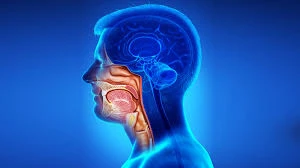
Cancer is striking earlier in India: Why people in their 40s, and even younger, are at risk of head and neck cancers
In recent years, doctors across India have been raising a concerning alarm: cancers that were once more common in older adults are now increasingly affecting people in their 40s—and even younger. Among these, head and neck cancers are showing a noticeable rise. This shift is not random; it reflects changes in lifestyle, environment, and awareness levels.
What are Head and Neck Cancers?
Head and neck cancers include a group of cancers that develop in the mouth, throat, voice box, sinuses, and nasal cavity. Medically, these are often linked to conditions like Oral Cancer, Throat Cancer, and Laryngeal Cancer. These cancers can affect speaking, swallowing, and breathing, making early detection crucial.
Why Are Younger Indians at Risk?
1. Tobacco Use in Various Forms
India has one of the highest rates of tobacco consumption in the world. While smoking is a known risk factor, smokeless tobacco products like gutka, khaini, and paan masala are even more harmful when it comes to oral cancers. Young people are often introduced to these habits early, sometimes in their teens, increasing long-term exposure.
2. Rising Alcohol Consumption
Alcohol acts as a co-carcinogen, meaning it increases the harmful effects of tobacco. The combined use of alcohol and tobacco significantly raises the risk of developing head and neck cancers at a younger age.
3. HPV Infections
The role of Human Papillomavirus is becoming increasingly important. Certain strains of HPV are linked to cancers of the throat and tonsils. Changing sexual behaviors and lack of awareness about HPV vaccination are contributing to the rise in younger patients.
4. Poor Oral Hygiene
Neglecting oral health can also increase cancer risk. Chronic irritation from sharp teeth, ill-fitting dentures, or untreated infections can lead to long-term damage in the oral cavity.
5. Environmental and Occupational Exposure
Pollution, exposure to chemicals, and poor air quality—especially in urban areas—may also play a role. Long-term inhalation of harmful substances can damage tissues in the respiratory tract.
6. Dietary Patterns and Nutrition
A diet low in fruits and vegetables deprives the body of essential antioxidants that help fight cancer-causing cells. Processed foods and high sugar intake are increasingly common among younger populations.
Early Signs People Often Ignore
One of the biggest challenges is late diagnosis. Many early symptoms are mild and often ignored, such as:
- Persistent mouth ulcers that don’t heal
- Difficulty swallowing
- Hoarseness or change in voice
- Lumps in the neck
- White or red patches inside the mouth
Ignoring these signs can allow the disease to progress to advanced stages, making treatment more complicated.
The Importance of Early Detection
Early diagnosis dramatically improves survival rates. Regular dental check-ups and screenings can help identify abnormal changes before they become cancerous. Awareness campaigns are slowly increasing, but a large portion of the population still lacks access to preventive healthcare.
Prevention: What Can Be Done?
1. Avoid Tobacco Completely
There is no safe level of tobacco use. Quitting early significantly reduces cancer risk.
2. Limit Alcohol Intake
Reducing alcohol consumption lowers the combined risk when paired with tobacco.
3. HPV Vaccination
Vaccines are available to protect against high-risk HPV strains. Increasing awareness and accessibility can help reduce future cancer cases.
4. Maintain Oral Hygiene
Regular brushing, flossing, and dental visits can prevent infections and detect early warning signs.
5. Eat a Balanced Diet
Include plenty of fruits, vegetables, and whole foods to strengthen the immune system.
6. Regular Health Check-ups
Routine screenings, especially for those with risk factors, can save lives.
A Growing Public Health Concern
India accounts for a significant portion of global head and neck cancer cases. The shift toward younger patients is not just a medical issue—it is a societal challenge. Early exposure to risk factors, lack of awareness, and delayed diagnosis all contribute to this growing burden.
Conclusion
The rise of head and neck cancers among younger Indians is a wake-up call. Lifestyle choices made early in life are now showing their consequences sooner than expected. The good news is that many of these cancers are preventable. By making informed choices, spreading awareness, and prioritizing early detection, individuals can significantly reduce their risk.
Addressing this issue requires a combined effort—from individuals, healthcare providers, and policymakers—to ensure that the next generation is better protected against this silent but serious threat.



Comments
Login to Comment