Product Security Tags: Understanding Retail Merchandise Protection
09 Oct, 2026
11 Views 0 Like(s)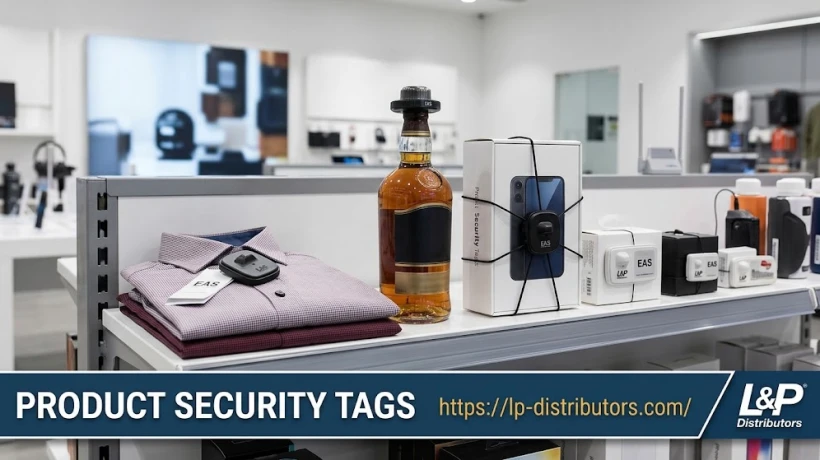
Product security tags are devices attached to or associated with merchandise to help prevent unauthorized removal from a retail location. Many tags work with an electronic article surveillance (EAS) system installed near store exits.
Retail stores use different technologies to protect merchandise and manage inventory. Security tags are commonly attached to products to help reduce unauthorized removal and support store security procedures. These devices are used in environments such as clothing shops, electronics retailers, department stores, and supermarkets. Understanding how product security tags work can help retailers evaluate suitable protection methods for different merchandise types.
What Are Product Security Tags?
Product security tags are devices attached to or associated with merchandise to help prevent unauthorized removal from a retail location. Many tags work with an electronic article surveillance (EAS) system installed near store exits.
When a compatible active tag passes through a detection zone, the system may trigger an alarm. The exact operation depends on the tag technology, detection equipment, and store configuration.
Common Types of Retail Security Tags
Retailers can use different tag formats depending on the products they sell and their security requirements.
Hard Security Tags
Hard tags are reusable devices commonly used for clothing, footwear, and selected accessories. They are attached using a pin or another fastening mechanism and removed by authorized staff at checkout.
Label-Based Security Tags
Security labels are generally thin and can be applied to product packaging. They are frequently used for items such as cosmetics, packaged goods, and selected consumer products.
Radio-Frequency Tags
Radio-frequency (RF) systems use compatible tags and detection equipment to identify protected merchandise near designated detection points. Their suitability depends on the retail environment and the products being protected.
Acousto-Magnetic Tags
Acousto-magnetic (AM) systems use a different detection technology from RF systems. They are used in various retail environments, and compatible tags must be matched with the relevant detection equipment.
How Security Tags Work
Many retail security systems include three main components: a tag or label, detection equipment near store exits, and a process for deactivating or removing the tag during an authorized transaction.
When merchandise is purchased, staff typically deactivate a compatible label or remove a reusable tag. If an active tag passes through the detection zone, the system may generate an alert.
Not every security tag is compatible with every detection system. Retailers should confirm the technology and specifications before selecting tags for their stores.
Choosing Tags for Different Products
The type of merchandise being protected is an important consideration when selecting security equipment.
Clothing and Footwear
Reusable hard tags are often used for garments and shoes because they can be removed at checkout and used again.
Electronics
Electronic products may require security solutions suited to their packaging, size, display method, and risk profile. Some stores use security tags alongside locked displays or other protective equipment.
Cosmetics and Packaged Goods
Thin security labels may be suitable for certain packaged items where a bulky tag would be inconvenient. The label must be compatible with the store's detection system and appropriate for the packaging material.
General Retail Merchandise
Department stores and other retailers may use a combination of tag types to accommodate different product categories and display arrangements.
Important Factors When Evaluating Security Tags
Retailers can assess several practical factors before selecting a security-tagging solution.
Compatibility: Tags should work with the store's existing EAS detection system.
Product suitability: The tag should fit the merchandise without damaging it or interfering with its intended use.
Reusability: Reusable tags may be appropriate for merchandise that requires repeated protection, while labels may suit products sold with their packaging.
Checkout procedures: Staff should be able to remove or deactivate tags through the authorized checkout process.
Store layout: Detection equipment placement, entrances, exits, and product displays can affect how a security system operates.
LP-Distributors and Retail Security Equipment
LP-Distributors is associated with retail loss-prevention products and security equipment. When evaluating products from a distributor, retailers can review the specifications, compatible systems, installation requirements, and intended applications of each item.
Understanding the differences between hard tags, labels, and detection technologies helps businesses assess which types of equipment may fit their merchandise and existing security arrangements.
Maintenance and Staff Procedures
Retail security equipment requires consistent procedures to function as intended. Staff should understand how authorized tag removal and label deactivation work, how to respond to alarms, and how to identify damaged equipment.
Retailers should also follow the manufacturer's instructions for installation, testing, and maintenance. Regular checks can help identify compatibility issues or equipment problems that might otherwise go unnoticed.
Conclusion
Product security tags are an important component of many retail loss-prevention systems. They come in several formats, including reusable hard tags and label-based devices, with different technologies available for different store environments.
By considering merchandise type, system compatibility, checkout procedures, and maintenance requirements, retailers can make informed decisions about their security equipment. Understanding these factors also helps businesses develop consistent procedures for protecting merchandise throughout the retail environment.


Comments
Login to Comment