Practical Uses of a Disposable Balaclava in Modern Settings
05 Apr, 2026
3043 Views 0 Like(s)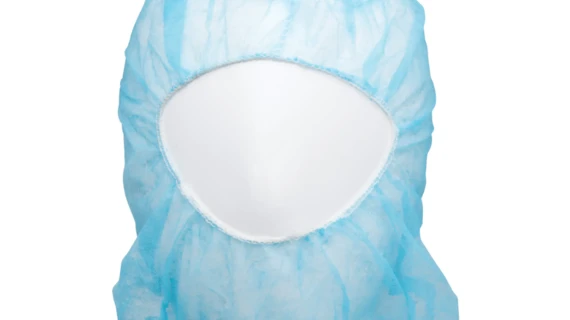
Explore the practical uses of disposable balaclava in modern settings, from safety and hygiene to outdoor activities and workwear.
The Practical Uses of a Disposable Balaclava in Modern Settings
A single-use balaclava is a protective garment designed to cover the head and face for temporary use. Its primary purpose lies in safeguarding against environmental factors, contamination risks, and hygiene concerns in professional and specialised settings. This disposable accessory is particularly useful in scenarios requiring strict cleanliness or protection, offering practicality through its single-use design. It is often employed in industries where sterility or protection from particulates is essential. The convenience of discarding the disposable balaclava after one use eliminates the need for maintenance, reducing the risk of contamination. Additionally, these balaclavas are typically lightweight and easy to use, enhancing their practicality in fast-paced environments.
Material Composition of Single-Use Balaclavas
Single-use balaclavas are constructed using a variety of specialised materials to meet diverse functional requirements. Non-woven fabrics are frequently used due to their lightweight and breathable nature, promoting comfort during wear. Polypropylene, a common component, is selected for its resistance to moisture and certain chemicals, ensuring durability in environments where protection is crucial. Some balaclavas incorporate polyester blends, valued for their strength and elasticity, which enhance their ability to maintain a secure and comfortable fit.
These materials are carefully chosen not only for their protective properties but also for their ability to provide effective coverage without compromising wearability. The manufacturing process often focuses on combining these materials to create a product that offers a balance between functionality, comfort, and practicality, allowing single-use balaclavas to perform efficiently in professional and controlled settings.
Environmental Impact of Disposable Balaclava
The environmental impact of disposable balaclava arises primarily from their single-use nature, which contributes to increased waste. The materials used in their production, often synthetic, can take significant time to degrade, adding to landfill accumulation. Efforts are being made to address these concerns by researching more sustainable alternatives, including biodegradable and compostable materials. Recycling initiatives are also being encouraged in contexts where appropriate infrastructure exists. Moreover, advancements in manufacturing processes aim to reduce resource consumption and minimise waste during production.
These measures reflect a growing awareness of the need to balance practicality with environmental considerations. In settings where hygiene and safety take precedence, the environmental footprint of such items remains a topic of ongoing discussion and development, prompting industries to explore solutions that reduce ecological harm while maintaining necessary protective qualities.
Applications in Various Industries
Single-use balaclavas serve diverse purposes across various industries where hygiene and protection are critical. In healthcare, they play a significant role in safeguarding sterile environments during procedures, helping to minimise the risk of contamination. In the food processing sector, they are instrumental in maintaining cleanliness standards and ensuring compliance with strict regulations.
Cleanroom environments also benefit from their use, as these balaclavas help control the presence of particulates in highly sensitive settings. Within industrial operations, they protect from dust, chemical exposure, and other potentially hazardous materials encountered in manufacturing or construction.
Additionally, certain sectors, such as electronics or pharmaceuticals, utilise them to prevent interference from human contaminants during production processes. Their adaptability to meet the specific requirements of different professional environments underlines their practicality and importance in maintaining safety and sterility.
Design and Functional Features
The design of single-use balaclavas is tailored to ensure effective coverage while prioritising ease of use. Their lightweight construction minimises strain during prolonged wear, and the materials selected often allow for adequate airflow, reducing discomfort associated with heat or moisture build-up. The ergonomic fit ensures that the balaclava conforms closely to the contours of the head and face, preventing gaps that could compromise its protective function. Features such as reinforced stitching or elasticated edges contribute to durability and a secure fit, even in demanding environments.
Some designs incorporate additional features like extended neck coverage to enhance protection against particulates or contaminants. By focusing on both functional requirements and wearer comfort, these balaclavas are able to maintain practicality without sacrificing performance, making them an essential tool in maintaining hygiene and safety across a range of professional applications.
Safety Standards and Regulations
Strict safety standards and regulations govern the production and use of single-use balaclavas to ensure their effectiveness in protecting users. These regulations focus on the use of safe, non-toxic materials, appropriate manufacturing techniques, and rigorous performance testing under various conditions. Standards may specify factors such as breathability, particle filtration efficiency, and resistance to chemicals or fluids, depending on the intended application.
Compliance is critical for ensuring that the product can reliably function in environments where hygiene and safety are priorities, such as medical or industrial settings. Certification by recognised regulatory bodies often serves as a mark of quality, assuring that the balaclavas meet established requirements. Adherence to these standards not only helps maintain user safety but also fosters consistency in product performance across different batches and suppliers.
Comparison with Reusable Balaclavas
Single-use balaclavas and reusable balaclavas are tailored to meet differing requirements across various applications. Disposable options are particularly valued in environments demanding high hygiene standards, as they eliminate the possibility of cross-contamination through immediate disposal after use. In contrast, reusable balaclavas are often crafted from durable materials, designed to endure repeated cleaning and extended use, making them a cost-effective solution over time.
However, they necessitate thorough maintenance to uphold their protective qualities, which may not always be feasible in fast-paced or sterile settings. While single-use balaclavas prioritise convenience and sterility, reusable alternatives offer sustainability and long-term affordability. The decision between these options often depends on specific industry demands, operational priorities, and the frequency of required usage, highlighting the importance of selecting the appropriate type for the intended application.
Cultural Significance and Social Perceptions
The cultural significance of balaclavas often depends on the historical, social, and functional contexts in which they are used. In many professional environments, single-use balaclavas are regarded purely as practical tools designed to ensure hygiene and safety. However, in broader societal contexts, their use can evoke varying perceptions, influenced by factors such as media representations or local customs. In some regions, they are linked to specific occupational roles, reinforcing their association with professionalism and discipline.
Conversely, in certain cultural or artistic settings, balaclavas have been utilised symbolically to convey identity, anonymity, or social commentary. Such diverse associations highlight how the perception of a functional item like a balaclava extends beyond its immediate purpose, shaped by the cultural and societal frameworks in which it is adopted. These differing viewpoints underline the complex interplay between utility and cultural meaning.
Market Trends and Consumer Preferences
The increasing focus on workplace safety and hygiene has driven demand for single-use balaclavas across multiple industries. Consumers prioritise products that balance functionality with comfort, favouring options that meet rigorous safety and material standards.
Cost-efficiency remains a significant consideration, especially in sectors requiring high-volume use. Growing environmental awareness is influencing preferences, with interest in products utilising biodegradable or recyclable materials. Market trends also reflect a shift towards more innovative designs that address both user comfort and protection.
Additionally, there is a heightened focus on lightweight materials and ergonomic fits that enhance wearability during extended use. These preferences illustrate the evolving expectations within industries reliant on disposable protective gear, influencing the direction of product development and manufacturing practices.
Innovations in Single-Use Balaclavas
Technological progress continues to influence the evolution of single-use balaclavas, focusing on improved functionality and adaptability. Research into advanced materials has led to the development of options that offer enhanced breathability and moisture control without compromising protective capabilities.
Emerging antimicrobial treatments are being integrated into the fabric to minimise bacterial growth, ensuring prolonged cleanliness during use. Smart textiles, designed to respond to environmental changes such as temperature or humidity, are also being explored for greater versatility.
Innovations in design aim to enhance user comfort through ergonomic fits and lightweight construction. These advancements demonstrate an emphasis on addressing both practical and environmental considerations, fostering improvements that align with the needs of various professional and controlled settings.
Challenges in Production and Distribution
Manufacturing single-use balaclavas requires precision to ensure uniform quality and adherence to regulatory standards, which can be demanding in large-scale production. Sourcing reliable raw materials is critical, as inconsistencies can affect the overall performance of the product. The distribution process must account for varying industry requirements, necessitating careful planning to meet demand across sectors such as healthcare, food processing, and cleanroom operations.
Additionally, logistical challenges, including maintaining product integrity during transit and ensuring timely delivery, are central to effective distribution. Balancing cost-efficiency with the need for high-quality production and safe transportation is an ongoing consideration. These factors highlight the intricate processes involved in meeting industry expectations while maintaining consistency in quality and functionality.
Guidelines for Choosing the Right Balaclava
Selecting a suitable single-use balaclava requires an understanding of its intended application and the specific conditions of use. Attention should be given to the material's properties, such as breathability, moisture resistance, and protective capabilities, to ensure compatibility with the environment. Ensuring the product adheres to relevant safety standards is critical for effective performance.
The design should provide an ergonomic fit to minimise discomfort and maintain coverage during activities. Factors like durability and ease of disposal may also influence the decision, particularly in high-demand settings. Careful consideration of these aspects supports the selection of a balaclava suited to professional requirements.
Conclusion
The implementation of disposable balaclava is a fundamental component of high-level hygiene and safety protocols throughout Australia. By providing a comprehensive barrier that covers the hair, mouth, and neck, these disposable garments are indispensable in sterile surgical theatres, advanced electronics manufacturing, and large-scale food processing facilities. Their lightweight, non-woven construction ensures that professionals can maintain strict contamination controls without sacrificing breathability or comfort during long shifts. As Australian industries continue to evolve, the shift towards more sustainable, biodegradable materials reflects a commitment to balancing essential biosecurity with environmental responsibility, ensuring that workplace safety remains both effective and forward-thinking.
FAQs
Why are single-use balaclavas preferred over hairnets in certain Australian industries?
While hairnets are effective for basic debris containment, single-use balaclavas provide a far more comprehensive level of protection by covering the ears, chin, and neck. In Australian pharmaceutical labs and cleanrooms, where even a single microscopic particle can compromise a batch, the full-head coverage of a balaclava ensures that skin flakes and facial hair are completely contained. This "total enclosure" design is critical for maintaining the ISO-rated air quality required in high-precision environments. Furthermore, the integrated design reduces the need for multiple separate items, such as a beard cover and a bouffant cap, streamlining the gowning process for staff.
Can these disposable balaclavas be worn comfortably in the Australian heat?
Modern disposable balaclavas are specifically engineered using advanced non-woven polypropylene, which is prized for its high breathability and moisture-wicking properties. This is particularly important for Australian workers in food processing or industrial manufacturing who may operate in humid or high-temperature environments. The fabric allows for consistent airflow, which helps to regulate the wearer's temperature and prevents the buildup of sweat. Most high-quality Australian suppliers provide "cool-breathe" variants that offer a lightweight feel, ensuring that safety compliance does not lead to heat stress or physical discomfort during extended periods of use.
What safety standards should Australian businesses look for when sourcing balaclavas?
When procuring protective headwear, it is essential to ensure the products comply with relevant Australian and international standards for personal protective equipment. Depending on the industry, businesses should look for certifications regarding particle filtration efficiency and fluid resistance. For medical applications, compliance with TGA guidelines is necessary to ensure the material is non-toxic and hypoallergenic. In industrial settings, the balaclava should be assessed for its antistatic properties if used near sensitive electronics. Checking for these quality benchmarks ensures that the garment provides a reliable barrier and performs consistently under the specific pressures of the Australian workplace.
How do I ensure a proper ergonomic fit to prevent contamination gaps?
A balaclava is only effective if it creates a secure seal around the face and neck. Australian professionals are advised to select designs with elasticated face openings and generous neck skirts that can be tucked into a lab coat or overalls. When donning the garment, ensure that all hair is completely tucked inside and that the opening sits snugly against the forehead and cheeks without being restrictive. Many Australian suppliers offer universal sizing with reinforced stitching to accommodate different head shapes, ensuring that the balaclava stays in place during active movement and prevents any "leakage" of contaminants from the head or neck area.
What is the most environmentally responsible way to dispose of these items in Australia?
Because most single-use balaclavas are made from synthetic polymers like polypropylene, they should be disposed of through a dedicated plastic waste stream where possible. In Australia, many industrial sites now partner with specialised recycling firms that can process non-contaminated polypropylene into plastic timber or industrial pellets. However, if the balaclava has been used in a clinical or hazardous chemical environment, it must be treated as medical waste and disposed of according to local biosecurity regulations. For companies looking to reduce their footprint, sourcing the newer range of Australian-certified biodegradable balaclavas is an excellent way to maintain hygiene while ensuring the waste breaks down faster in landfill.
|
Related Business Listings |



Comments
Login to Comment