Essential Steps to Take Before Scheduling Tankless Repair Services
25 May, 2026
1645 Views 0 Like(s)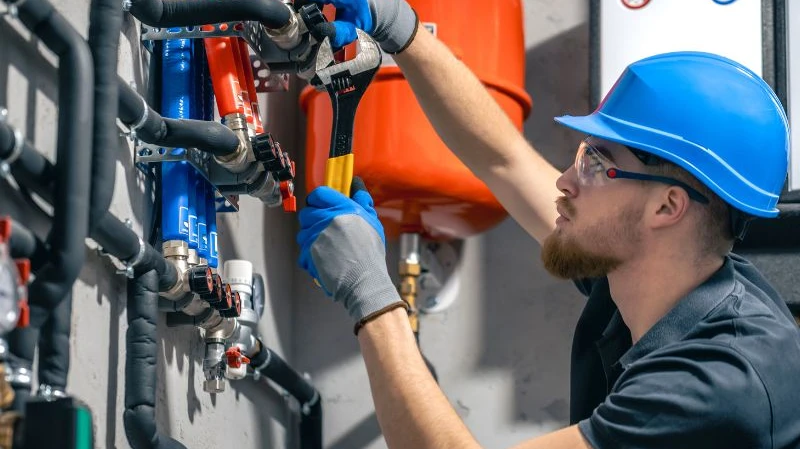
Learn the essential steps to take before scheduling tankless repair services, from identifying common issues to preparing your system for a faster, more efficient repair visit.
Going with a tankless water heater is easily one of the better moves a person can make for their home. These small setups offer hot water exactly when needed without that massive, rusted tank taking up half the garage. However, even the most well-engineered systems occasionally encounter issues. Before rushing to call someone out, looking at the unit yourself is intelligent. Understanding how the heater behaves helps when explaining things to a pro later on. Little checks might even reveal that the fix is something you can handle in a few minutes.
Verify the power supply and gas connections
It sounds simple, but starting with the power source is usually the best first step. Most of these units use electronic ignitions that need a steady flow of electricity to spark. A tripped breaker or a loose plug happens more often than people think. If the heater runs on gas, make sure the yellow valve is turned all the way to the open position. A tiny interruption in fuel is enough to keep those internal burners from ever lighting up.
Occasionally the house might have a bigger utility issue rather than a broken appliance. Checking the stove or the lights in the next room confirms if the street has power or gas. If every other appliance is humming along fine, then the trouble is tucked inside that metal box on the wall. Doing such tests prevents the frustration of paying a service fee just to have a technician point at a flipped switch. It gives the rest of the inspection a strong base.
Inspect the water intake and aerator screens
If the water pressure feels weak, the problem might be a physical blockage rather than a mechanical failure. Tankless systems can be quite sensitive to mineral buildup, especially in neighborhoods where the water is naturally hard. Locating the inlet filter and checking for trapped sand or white calcium flakes is a beneficial habit. Rinsing off that screen often brings the heating power right back to where it should be. It is a basic bit of maintenance that keeps the whole plumbing system healthy.
Checking the little screens on faucets and showerheads throughout the house is another smart move. Tiny bits of scale can break loose and clog those aerators, which slows down the flow of water significantly. If that flow drops too low, the heater might not even realize it needs to turn on. Ensuring water moves freely through every fixture helps the sensors do their job accurately. These small steps rule out basic plumbing clogs before anyone starts taking the actual heater apart.
Review Recent Error Codes on the Display
These machines are basically little computers that watch over their safety and performance. When something goes wrong, the screen usually flashes a specific sequence of letters or numbers. Writing this code down exactly as it looks is incredibly helpful for anyone coming to fix it. This specific data helps a technician show up with the right parts for tankless repair in Miami, where traffic and time are always factors. Knowing that code narrows down whether the issue is a simple sensor or a venting blockage.
The best place to learn what those flashing lights represent is in the owner's manual. Some codes are only a polite reminder that the system needs a vinegar flush, while others signify that the unit shut down for safety. Talking to a specialist on the phone about this information speeds up the whole repair process. It helps the conversation move toward a solution instead of just guessing what might be wrong. Having that code ready shows you really looked into the situation before asking for help.
Clear the exhaust and intake vent pipes
Proper breathing is vital for any tankless system to move exhaust gases outside safely. The heater will turn off if the pipes get obstructed so that nothing dangerous can build up. If you want to quickly check for bird nests or beehives, go outside and look at where the vents leave the home. A few damp leaves or some rubbish blown by the wind can block the airflow enough to halt the burners. Clearing these channels usually fixes those unpleasant ignition problems that appear for no apparent reason.
Sometimes, big storms or strong winds can blow trash or water deep into those pipelines. If you see something stuck in there, carefully remove it without breaking the mesh screens. An open airway lets the internal fans keep the correct pressure for a clean flame. If the vents are clear and the unit won't ignite, the problem is most likely inside. This last exam ends the short walkthrough and gets you ready to talk to an expert.
Conclusion: Rely on Professional Expertise for Final Solutions
After going through these basic points, calling in a professional is the most logical next step. Dealing with gas lines and complex internal electronics requires specific tools and a lot of training to keep the house safe. Experts like Pompa Plumbing Group help people get their hot water back and ensures the system is running at peak performance. They provide detailed diagnostics and repairs that focus on quality work that lasts. Hiring an experienced team means the technology is treated with the care it needs for long-term use.
Good technicians often spot tiny signs of wear that most people would never notice during a quick look. They have the right experience to work around high-voltage wires and gas connections without any risk. Professional service protects the warranty and extends equipment life. A well calibrated heater uses less energy, lowering monthly expenditures. Trusting specialists helps you get return to your routine while technical work is done right.


Comments
Login to Comment