Porcelain Veneers vs Composite Veneers: Key Differences
03 Aug, 2026
728 Views 0 Like(s)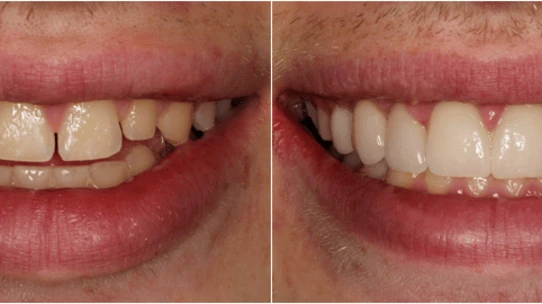
A beautiful smile can have a positive impact on your confidence and overall appearance. If you have chipped, stained, uneven, or slightly misaligned teeth, veneers are a popular cosmetic solution that can transform your smile. Two of the most common options are porcelain veneers and composite veneers. While both improve the appearance of teeth, they differ in terms of materials, durability, cost, and maintenance.
A beautiful smile can have a positive impact on your confidence and overall appearance. If you have chipped, stained, uneven, or slightly misaligned teeth, veneers are a popular cosmetic solution that can transform your smile. Two of the most common options are porcelain veneers and composite veneers. While both improve the appearance of teeth, they differ in terms of materials, durability, cost, and maintenance.
Understanding these differences can help you choose the treatment that best suits your goals and lifestyle. A consultation with a cosmetic dentist is the best way to determine which type of veneer is right for you.
What Are Veneers?
Veneers are thin coverings placed over the front surface of teeth to enhance their appearance. They are custom-designed to improve the colour, shape, size, and overall symmetry of your smile while maintaining a natural look.
Veneers are commonly used to treat:
-
Stained or discoloured teeth
-
Chipped or cracked teeth
-
Small gaps between teeth
-
Uneven tooth shapes
-
Mild alignment issues
-
Worn enamel
Both porcelain and composite veneers can address these concerns, but each offers unique advantages.
Porcelain Veneers
Porcelain veneers are custom-made in a dental laboratory using high-quality ceramic materials. They are then bonded to the front of the teeth for a durable and natural-looking result.
Benefits of Porcelain Veneers
-
Highly resistant to stains
-
Natural translucency that closely resembles real teeth
-
Durable and long-lasting with proper care
-
Excellent colour stability
-
Ideal for comprehensive smile makeovers
Porcelain veneers usually require at least two dental visits because they are custom fabricated before placement.
Composite Veneers
Composite veneers are created using a tooth-coloured resin material that is applied directly to the teeth and carefully shaped by the dentist during the appointment.
Benefits of Composite Veneers
-
Typically completed in a single visit
-
More affordable than porcelain veneers
-
Easy to repair if chipped
-
Less tooth preparation may be required
-
Immediate cosmetic improvement
Composite veneers are an excellent option for patients looking for a quicker or more budget-friendly cosmetic treatment.
Appearance and Aesthetics
Both types of veneers improve your smile, but porcelain generally provides the most natural appearance.
Porcelain reflects light similarly to natural tooth enamel, creating a lifelike finish. Composite veneers also look attractive, but they may not match the translucency and polish of porcelain over time.
Durability
Durability is one of the biggest differences between the two options.
Porcelain veneers are made from strong ceramic materials that resist everyday wear and staining. Composite resin is durable but tends to wear down more quickly and may require repairs or replacement sooner.
Proper oral hygiene and avoiding habits like chewing ice or opening packages with your teeth can extend the lifespan of either option.
Maintenance
Both porcelain and composite veneers require similar daily care.
Healthy habits include:
-
Brushing twice a day
-
Flossing daily
-
Using a non-abrasive toothpaste
-
Visiting your dentist regularly
-
Avoiding excessive force on your teeth
Although porcelain resists stains better, maintaining good oral hygiene helps preserve the appearance of both types of veneers.
Cost Considerations
Composite veneers generally have a lower upfront cost because they require fewer materials and less laboratory work.
Porcelain veneers often involve a higher initial investment, but their durability and stain resistance may provide greater long-term value for many patients.
Your dentist can explain which option best fits your cosmetic goals and budget.
Which Option Is Right for You?
The ideal veneer depends on several factors, including:
-
Your smile goals
-
Budget
-
Oral health
-
Desired treatment timeline
-
Long-term expectations
Some patients prefer porcelain for its longevity and premium appearance, while others choose composite for its affordability and convenience.
Why Professional Guidance Matters
Choosing between veneer options requires a careful evaluation of your oral health and cosmetic goals. At Dublin Metro Dental, the dental team provides personalized recommendations to help patients select the most suitable treatment. Whether you're considering dental veneers Dublin for a complete smile transformation or to correct minor imperfections, expert guidance ensures results that look natural, function well, and last for years with proper care.
Final Thoughts
Both porcelain and composite veneers are effective solutions for improving your smile, but they offer different advantages. Porcelain veneers are known for their durability, stain resistance, and highly natural appearance, while composite veneers provide a quicker and more affordable cosmetic option.
Consulting an experienced cosmetic dentist is the best way to determine which treatment is right for your needs. With proper care and regular dental visits, either type of veneer can help you achieve a healthier, brighter, and more confident smile.



Comments
Login to Comment