Plastic Recycling Bulk Bags: Solving Storage and Transportation Challenges for Recyclers
22 Jun, 2026
1270 Views 0 Like(s)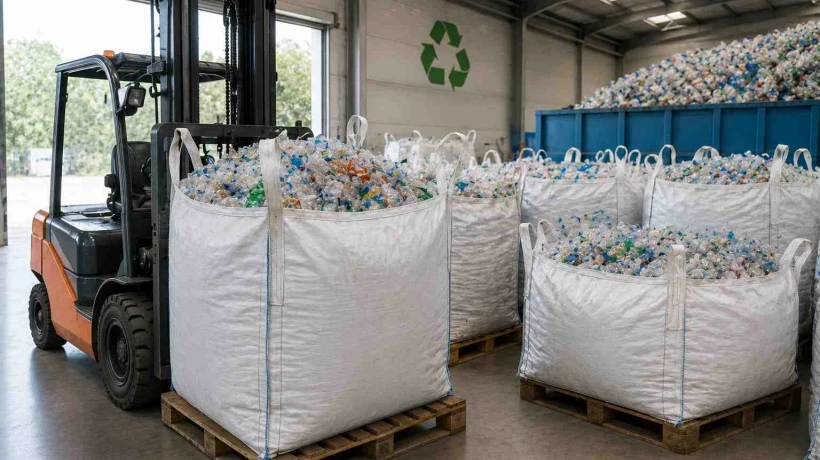
Storage is one of the biggest challenges recycling facilities deal with daily. Loose plastic waste builds up quickly, takes up valuable space, and is difficult to handle safely.
Storage is one of the biggest challenges recycling facilities deal with on a daily basis. Loose plastic waste builds up quickly, takes up valuable space, and is difficult to handle safely.
Plastic recycling bulk bags address this directly. These large, durable bags are built to hold plastic waste, flakes, and regenerated resin without breaking down under pressure.
Anyone working in or around a recycling facility knows how quickly operations can become disorganized without proper packaging. Here's a closer look at why these bags matter and the problems they solve in everyday operations.
The Storage Problem Recyclers Face Daily
Plastic waste behaves differently from other materials. It's bulky, it shifts during handling, and loose material can scatter or blow away if it isn't properly contained.
Most facilities run into the same recurring issues:
- Limited available floor space.
- Material spilling or scattering during handling.
- Difficulty stacking loose, unpackaged waste.
- Different plastic types are getting mixed and contaminated.
- Loading and unloading take longer than necessary.
None of these problems stays small for long. They add up over time. Workers end up spending more time managing the mess than processing material, which slows down the entire operation.
How Bulk Bags Actually Help
A reliable bulk bag changes the equation quickly. Loose piles turn into stackable, organized units that don't take up as much space.
These bags are made from woven polypropylene, strong enough to carry heavy loads without splitting open. Facilities can stack them, sort them by type, and free up floor space that was previously lost to clutter.
There's a second benefit, too. Sealed bags help reduce contamination. Shredded plastic and resin stay separated from other materials, which makes the next stage of processing far easier.
Transportation Has Its Own Set of Problems
Moving plastic waste between sites isn't simple either. Loose material is awkward to load, and it shifts around during transit.
Bulk bags help here as well:
- Reinforced loops make crane and forklift handling safer.
- A stable structure keeps the load from shifting during transport.
- The woven material holds up even under rough handling.
- Bags protect contents from moisture and weather exposure.
For anyone shipping resin or flakes over long distances, this matters. A bag that tears mid-transit means lost product and wasted time.
Where You'll Actually See These Bags
These bags show up across the recycling chain, not just in one part of it.
Common applications include:
- Scrap yards collect shredded plastic.
- Resin packaging plants storing regenerated pellets.
- Sorting centers separating plastic by grade.
- Logistics providers transporting recyclables between sites.
Every one of these settings needs bags that can handle repeated use without giving out. A bag that fails after a couple of cycles isn't worth the investment.
What Separates a Good Bag From a Bad One
Before you buy, you should know that not all bags in the market are created equal. Look for bags with load strength testing. UV resistance is important if they are going to be stored outside.
They are expected to retain their shape after many lifts and loads, and the material should not rip under normal pressure.
These little things seem small, but they add up. A bag failing during a shift can lead to delays, safety hazards, and unnecessary cleanup.
Thinking Beyond Just Packaging
Good bags aren't only about keeping things tidy. They're part of running a recycling operation that holds up over the long term. Less contamination and less material loss means more plastic actually making it back into usable resin.
This isn't only a plastic recycling problem, either. The same heavy-duty thinking applies in mining, where a mining bulk bag has to carry minerals and aggregates over long hauls without failing.
Conclusion
Storage and transportation will always be part of the daily reality for recyclers, but the right packaging makes both far more manageable.
Wales Industries has spent years building bags for exactly this kind of demand, with bulk bags tested for strength and durability to handle the toughest recycling environments.
Working with a supplier like this helps recycling businesses cut down on contamination, free up storage space, and move material safely from the sorting floor to wherever it's headed next.
For anyone looking to tighten up their operation, the bag isn't a small detail. It's the foundation everything else is built on.


Comments
Login to Comment