Orthopedic Surgeon Dubai: Common Procedures and Recovery Care
26 Feb, 2026
6433 Views 0 Like(s)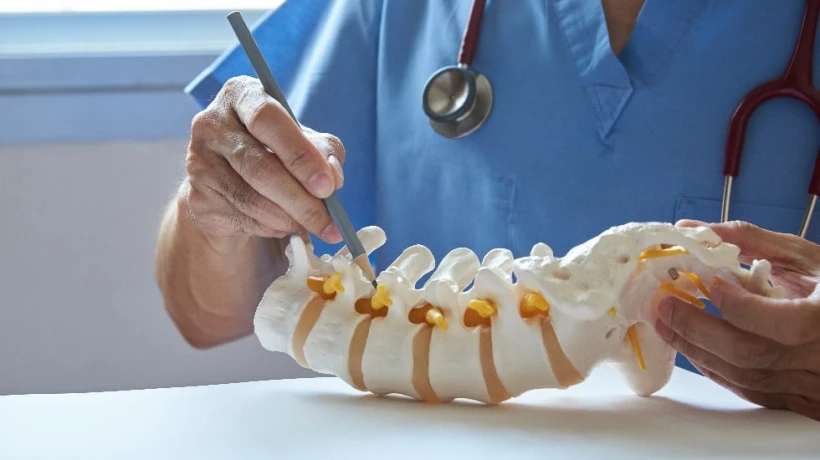
Problems with bones, joints, muscles, and ligaments can affect daily life in many ways. Simple actions like walking, sitting, lifting objects, or even sleeping can become painful. Orthopedic care focuses on diagnosing, treating, and managing these problems so people can return to a normal and active life.
In recent years, Dubai has become a trusted destination for advanced medical care. Many people look for an orthopedic surgeon dubai to help with joint pain, sports injuries, fractures, and spine problems. With modern hospitals, advanced technology, and experienced specialists, patients receive care that meets international standards.
This article explains what orthopedic surgeons do, the most common orthopedic procedures, and how recovery care works. The goal is to help patients understand their treatment journey in a simple and clear way.
What Is Orthopedic Care?
Orthopedic care deals with conditions related to the musculoskeletal system. This system includes:
-
Bones
-
Joints
-
Muscles
-
Tendons
-
Ligaments
-
Nerves connected to movement
Orthopedic surgeons treat problems that affect movement and stability. These problems can be caused by injuries, aging, sports activities, or medical conditions such as arthritis.
Some conditions are treated without surgery using medicines, physical therapy, or lifestyle changes. Other conditions may need surgical treatment when pain or movement problems become severe.
When Should You See an Orthopedic Surgeon?
Many people wait too long before seeking orthopedic care. Early treatment can prevent long-term damage and reduce recovery time.
You should consider seeing an orthopedic specialist if you experience:
-
Ongoing joint or bone pain
-
Swelling or stiffness that does not improve
-
Difficulty walking or moving a joint
-
Pain after a sports injury
-
Back or neck pain that affects daily life
-
Bone fractures or dislocations
An orthopedic surgeon will examine the problem, review scans if needed, and suggest the best treatment plan.
Common Conditions Treated by Orthopedic Surgeons
Orthopedic surgeons treat a wide range of conditions. Some of the most common ones include:
Arthritis
Arthritis causes joint pain, stiffness, and swelling. It often affects the knees, hips, shoulders, and hands. Over time, it can reduce joint movement and quality of life.
Sports Injuries
Sports injuries include ligament tears, muscle strains, and joint damage. These injuries are common in athletes and active individuals.
Fractures
Broken bones can happen due to accidents, falls, or sports injuries. Proper treatment is important to ensure correct healing.
Back and Spine Problems
Back pain, slipped discs, and spinal nerve issues can affect posture and movement. Some cases need surgery, while others improve with therapy.
Tendon and Ligament Injuries
Tears or inflammation in tendons and ligaments can cause pain and weakness. These injuries often occur in the shoulder, knee, or ankle.
Common Orthopedic Procedures
Orthopedic surgeons perform many procedures to repair damage and restore movement. Below are some of the most common orthopedic procedures explained in simple terms.
Joint Replacement Surgery
Joint replacement is one of the most common orthopedic surgeries. It is usually done when a joint is badly damaged and other treatments no longer help.
Knee Replacement
Knee replacement surgery is often recommended for severe knee arthritis or injury. The damaged parts of the knee joint are replaced with artificial components. This helps reduce pain and improve movement.
Hip Replacement
Hip replacement is done when the hip joint becomes painful and stiff. It allows patients to walk comfortably again and improves daily activities.
Shoulder Replacement
Shoulder replacement helps patients with severe shoulder pain due to arthritis or injury. It improves arm movement and reduces discomfort.
Arthroscopic Surgery
Arthroscopy is a minimally invasive procedure. It uses small cuts and a camera to see inside the joint.
Common arthroscopic procedures include:
-
Meniscus repair in the knee
-
Ligament repair
-
Shoulder joint cleaning
-
Removal of damaged tissue
Because the cuts are small, recovery is usually faster and pain is less compared to open surgery.
Sports Injury Surgery
Sports injuries may need surgery when ligaments or tendons are torn.
Examples include:
-
ACL reconstruction in the knee
-
Rotator cuff repair in the shoulder
-
Ankle ligament repair
These surgeries help restore strength and stability so patients can return to sports or active life.
Fracture Fixation Surgery
When bones break, some fractures need surgical treatment. Metal plates, screws, or rods are used to hold the bone in the correct position while it heals.
Proper fixation helps bones heal faster and reduces the risk of long-term problems.
Spine Surgery
Spine surgery is done when back or neck pain does not improve with other treatments.
Common spine procedures include:
-
Disc surgery
-
Spinal decompression
-
Stabilization of the spine
These procedures aim to relieve nerve pressure and improve movement.
Non-Surgical Orthopedic Treatments
Not all orthopedic problems need surgery. Many conditions improve with non-surgical care.
Physical Therapy
Physical therapy helps strengthen muscles, improve flexibility, and reduce pain. It plays a key role in both treatment and recovery.
Medications
Pain relievers and anti-inflammatory medicines help manage pain and swelling.
Injections
Joint injections can reduce pain and inflammation, especially in arthritis.
Lifestyle Changes
Weight management, exercise, and posture improvement can reduce stress on joints and bones.
Recovery Care After Orthopedic Procedures
Recovery is an important part of orthopedic treatment. Good recovery care helps patients heal faster and return to normal activities safely.
Hospital Recovery
After surgery, patients are monitored in the hospital. Pain control, wound care, and early movement are important during this stage.
Doctors and nurses guide patients on how to move safely and prevent complications.
Physical Rehabilitation
Physical therapy usually begins soon after surgery. It helps:
-
Restore joint movement
-
Improve muscle strength
-
Reduce stiffness
-
Prevent future injury
Following the therapy plan is very important for successful recovery.
Pain Management During Recovery
Pain is common after orthopedic procedures, but it can be managed effectively.
Pain management may include:
-
Medications
-
Ice therapy
-
Gentle exercises
-
Proper rest
Patients should always follow medical advice for pain control.
Home Care and Daily Activities
Recovery continues at home after leaving the hospital.
Patients are advised to:
-
Follow exercise instructions
-
Avoid heavy lifting
-
Use support devices if needed
-
Keep the surgical area clean
Simple daily habits play a big role in healing.
Recovery Time for Orthopedic Procedures
Recovery time depends on the type of procedure and the patient’s health.
-
Minor procedures may need a few weeks
-
Joint replacement may take several months
-
Sports injury recovery varies by injury
Regular follow-up visits help ensure proper healing.
Benefits of Orthopedic Treatment in Dubai
Dubai offers advanced orthopedic care with modern facilities and skilled professionals.
Some benefits include:
-
Advanced medical technology
-
High safety standards
-
Comprehensive rehabilitation services
-
Patient-focused care
These factors help patients receive effective treatment and smooth recovery.
How to Prepare for Orthopedic Surgery
Preparation helps reduce stress and improves recovery.
Patients should:
-
Follow pre-surgery instructions
-
Inform the doctor about medications
-
Arrange home support for recovery
-
Ask questions to understand the procedure
Good preparation leads to better outcomes.
Long-Term Care After Orthopedic Treatment
Even after recovery, long-term care is important.
Patients should:
-
Continue exercises
-
Maintain a healthy weight
-
Avoid activities that strain joints
-
Attend follow-up appointments
These steps help protect joints and prevent future problems.
Choosing the Right Orthopedic Specialist
Choosing the right specialist is important for successful treatment.
Patients should look for:
-
Experience in orthopedic procedures
-
Clear communication
-
Access to rehabilitation services
-
Personalized treatment plans
A good orthopedic surgeon guides patients through every step of treatment and recovery.
Conclusion
Orthopedic problems can affect comfort, movement, and quality of life. With the right care, many people can return to active and pain-free living. Understanding common procedures and recovery care helps patients feel more confident about their treatment decisions.
If you are looking for expert orthopedic care, consulting an experienced specialist such as Dr Marouane Bouloudhnine can help you receive proper diagnosis, effective treatment, and structured recovery support from start to finish.


Comments
Login to Comment