Old Miners Cut Diamond Ring Features Explained
30 May, 2026
1513 Views 0 Like(s)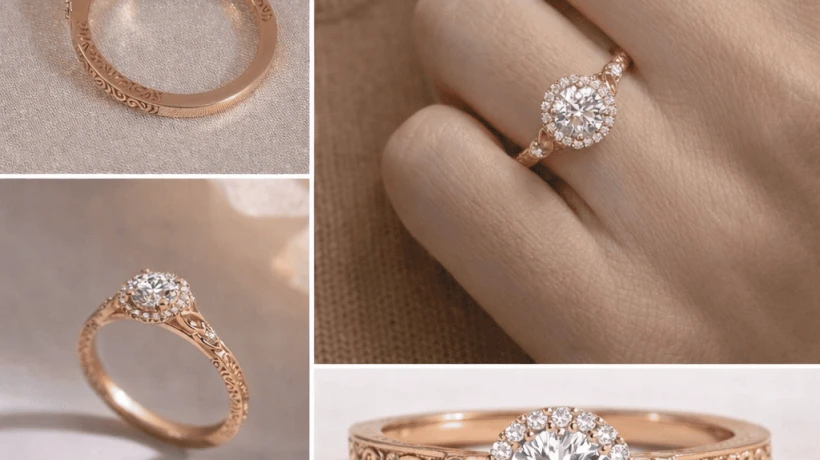
Discover the unique features of an old miners cut diamond ring, including its shape, craftsmanship, settings, and value. Learn what makes these vintage-inspired rings stand out.
An old miners cut diamond ring carries a character that is difficult to find in many contemporary diamond styles. Known for its handcrafted appearance and distinctive proportions, this cut reflects a period when diamonds were shaped entirely by skilled artisans rather than advanced machinery. Many jewelry enthusiasts appreciate these rings because every stone has its own personality, making each piece feel unique.
Whether you are considering a vintage diamond, a reproduction design, or a newly crafted ring inspired by antique styles, understanding the features of an old miners cut diamond ring can help you make an informed choice.
The History Behind Old Mine Cut Diamonds
The old mine cut originated during the 18th and 19th centuries and remained popular until the early 1900s. Before the development of precise cutting technology, craftsmen shaped diamonds by hand, focusing on maximizing the beauty of each rough stone.
These diamonds became especially common during the Georgian and Victorian periods. Unlike today's highly standardized cuts, every old mine cut diamond had slight variations. This handcrafted approach created stones with a distinctive appearance that continues to attract collectors and jewelry buyers today.
The old mine cut is often considered one of the earliest versions of the brilliant-cut diamond. For this reason, many experts refer to certain examples as an old mine brilliant cut diamond ring, highlighting the cut's role in the evolution of diamond craftsmanship.
Key Characteristics of an Old Mine Cut Diamond
Several features distinguish an old mine cut from other diamond cuts.
Cushion-Like Shape
One of the most recognizable characteristics is its cushion-shaped outline. Most old mine cut diamonds feature softly rounded corners rather than the sharp lines found in some contemporary cuts.
This shape gives an old mine cut diamond ring a softer and more organic appearance.
High Crown
Old mine cut diamonds generally have a high crown. The crown refers to the upper portion of the diamond above the girdle. A higher crown creates a deeper profile and contributes to the diamond's unique visual character.
Small Table
Compared with many contemporary diamonds, old mine cuts feature smaller tables. The table is the flat facet located at the top of the stone. This smaller surface influences how light interacts with the diamond.
Deep Pavilion
The pavilion, located beneath the girdle, is typically deeper in old mine cut diamonds. This depth contributes to the stone's distinctive appearance and helps separate it from modern round brilliant cuts.
Large Culet
Many old mine cut diamonds feature a visible culet, which is the small facet at the bottom tip of the stone. When viewed from above, this culet may appear as a small point or opening in the center of the diamond.
Why People Choose Old Mine Cut Diamond Rings
Many buyers are drawn to old mine cut diamonds because they offer something different from highly standardized modern stones.
The handcrafted nature of these diamonds means no two are exactly alike. Small variations in symmetry and facet arrangement often create a unique appearance that reflects traditional diamond-cutting methods.
For those seeking jewelry with historical influence, an old mine cut diamond ring can provide a connection to earlier eras of craftsmanship while still being suitable for everyday wear.
Explore Old Miners Cut Diamond Ring Designs
When shopping for antique-inspired jewelry, it is helpful to explore old miners cut diamond ring designs from different periods and settings. Some rings feature authentic antique diamonds that are over a century old, while others use newly cut stones designed to replicate the appearance of historical diamonds.
Exploring various styles allows buyers to compare stone proportions, settings, and overall aesthetics before making a decision.
Popular Ring Settings
The setting plays an important role in the overall appearance of any diamond ring. Several settings work particularly well with old mine cut diamonds.
Solitaire Setting
A solitaire setting places the focus entirely on the diamond. This classic design highlights the unique shape and proportions of the stone without distractions.
Halo Setting
Halo settings surround the center diamond with smaller accent stones. This design can create additional visual impact while preserving the vintage-inspired appeal of the center diamond.
Three-Stone Setting
Three-stone rings combine an old mine cut center stone with two side diamonds. The result is a balanced design that often reflects antique jewelry traditions.
Bezel Setting
A popular option for those seeking additional protection is the old mine cut bezel ring. In a bezel setting, a metal rim surrounds the diamond, securing it firmly in place.
This setting complements the rounded shape of old mine cut diamonds while offering excellent durability for daily wear.
Antique Diamonds Versus Newly Cut Versions
Buyers generally have two options when purchasing old mine cut diamond jewelry.
The first option is an authentic antique diamond that was originally cut decades or even centuries ago. These stones often display natural characteristics associated with historical craftsmanship.
The second option involves newly cut diamonds that replicate antique proportions and facet arrangements. These diamonds are crafted using modern techniques while maintaining the appearance of traditional old mine cuts.
Both choices have advantages, and the right option depends on individual preferences and budget considerations.
Old Mine Cut Lab Diamond Rings
As laboratory-grown diamonds continue to gain popularity, many jewelers now offer old mine cut lab diamond rings.
These diamonds are created in controlled environments but possess the same physical and optical properties as mined diamonds. By combining laboratory-grown diamonds with antique-inspired cutting styles, buyers can enjoy the appearance of an old mine cut while exploring alternative sourcing options.
The growing availability of old mine cut lab diamond rings has expanded choices for shoppers who appreciate vintage-inspired jewelry.
How to Evaluate an Old Mine Cut Diamond
When purchasing an old mine cut diamond, several factors deserve attention.
Shape Consistency
Since many old mine cut diamonds were shaped by hand, slight irregularities are common. Some buyers view these variations as part of the diamond's appeal.
Facet Pattern
Examine the facet arrangement carefully. Old mine cuts typically feature larger facets than contemporary diamonds, contributing to their distinctive appearance.
Condition
For authentic antique diamonds, evaluate the stone's overall condition. A professional inspection can identify chips, abrasions, or other signs of wear.
Certification
When available, certification from a respected gemological laboratory can provide additional confidence regarding the diamond's characteristics.
Shopping for an Old Mine Cut Diamond Ring for Sale
If you are searching for an old mine cut diamond ring for sale, it is important to work with reputable jewelers who specialize in antique or vintage-inspired jewelry.
Ask detailed questions about the stone's origin, age, and cutting style. Request photographs from multiple angles and inquire about any available documentation.
For online purchases, ensure the seller provides clear return policies and independent certification whenever possible.
Taking these steps can help you evaluate different options and find a ring that matches your expectations.
The Growing Demand for Old Mine Cut Diamond Rings
Interest in old mine cut diamond rings has grown steadily in recent years. Many buyers appreciate jewelry that differs from mass-produced designs and reflects historical craftsmanship.
Collectors, vintage jewelry enthusiasts, and those seeking distinctive engagement rings often gravitate toward old mine cut diamonds because of their unique appearance and historical significance.
This continued demand has encouraged jewelers to expand their selections, making these diamonds more accessible than ever before.
Choosing the Right Metal for Your Ring
The metal you select can significantly influence the overall look of your ring.
Yellow Gold
Yellow gold pairs naturally with antique-inspired diamonds and highlights their historical character.
White Gold
White gold creates a clean and refined appearance while allowing the diamond to remain the focal point.
Platinum
Platinum offers exceptional durability and is often chosen for heirloom-quality jewelry.
Rose Gold
Rose gold provides warmth and complements many vintage-inspired settings.
Many jewelers, including brands such as Antiquecut, offer a variety of metal options designed specifically for antique-style diamond rings.
Final Thoughts
An old miners cut diamond ring represents a fascinating chapter in diamond-cutting history. With its cushion-like shape, high crown, deep pavilion, and handcrafted character, this style continues to attract buyers who appreciate distinctive jewelry.
Whether you choose an authentic antique stone, an old mine brilliant cut diamond ring, a protective old mine cut bezel ring, or one of the many available old mine cut lab diamond rings, understanding the defining features of these diamonds can help guide your purchase.
By taking time to compare different old mine cut diamond rings and evaluating quality, setting styles, and craftsmanship, you can find a piece that reflects both personal taste and appreciation for traditional diamond artistry.


Comments
Login to Comment