Morpheus8: How This Skin Treatment Actually Works
10 Feb, 2026
7953 Views 0 Like(s).webp "Morpheus8: How This Skin Treatment Actually Works")
Discover how Morpheus8 uses microneedling and radiofrequency to tighten skin, reduce wrinkles, and improve texture with minimal downtime.
Advancements in aesthetic medicine have transformed how people approach skin rejuvenation. Among the newer technologies gaining attention is morpheus laser treatment, a procedure designed to improve skin texture, tighten tissue, and stimulate collagen production without traditional surgery. Combining microneedling with radiofrequency (RF) energy, Morpheus8 has become a widely discussed option for individuals seeking minimally invasive anti-aging solutions.Many patients begin their journey at a reputable Skin care clinic, where trained providers assess skin condition, discuss treatment goals, and determine whether radiofrequency microneedling is appropriate. Because this procedure affects deeper layers of the skin, professional evaluation plays a crucial role in achieving safe and effective results.
What Morpheus8 Is and Why It Is Different
morpheus8 treatments a fractional skin treatment that uses microneedles to deliver radiofrequency energy into the dermis the layer beneath the skin’s surface. This controlled thermal effect stimulates collagen remodeling and encourages new tissue formation. According to the American Academy of Dermatology, radiofrequency treatments work by heating deeper skin layers to trigger collagen production, helping improve firmness over time.
Unlike surface-level treatments, Morpheus8 targets subdermal layers, allowing providers to address concerns such as laxity, uneven texture, and mild scarring. Because collagen naturally declines with age, treatments that promote its regeneration are increasingly popular in non-surgical cosmetic care.
The Science Behind Radiofrequency Microneedling
The technology relies on two proven dermatologic principles:Microneedling: Tiny needles create controlled micro-injuries that activate the body’s wound-healing response. Research shows microneedling can stimulate collagen and elastin, improving skin texture and reducing scars. Radiofrequency Energy: RF heat tightens tissue and enhances collagen remodeling, which can lead to firmer skin. Studies note that radiofrequency devices are widely used for skin tightening and wrinkle reduction with favorable safety profiles. When combined, these approaches allow energy to penetrate deeper than traditional microneedling alone, potentially producing more noticeable improvements.
What Happens During the Procedure
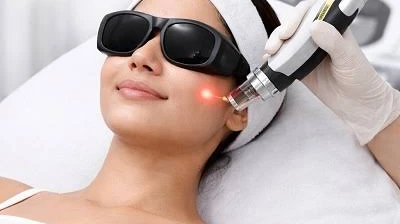
A typical Morpheus8 session begins with cleansing the skin and applying a topical anesthetic to reduce discomfort. The provider then presses a handheld device against the treatment area, where microneedles deliver RF energy below the surface.Patients often describe the sensation as mild pressure with warmth. The procedure usually lasts between 30 and 60 minutes, depending on the treatment area.Afterward, mild redness and swelling are common but typically resolve within a few days. Dermatology sources report that non-ablative RF procedures generally involve shorter recovery times than more aggressive resurfacing treatments.
Skin Concerns Morpheus8 Can Address
Radiofrequency microneedling is used for a variety of cosmetic goals, particularly those linked to collagen loss. Providers commonly recommend it for:
-
Fine lines and wrinkles
-
Mild to moderate skin laxity
-
Acne scars
-
Enlarged pores
-
Uneven skin texture
-
Stretch marks
Clinical reviews indicate that RF microneedling devices can improve skin tightening and scarring with minimal downtime compared to surgical options. (ncbi.nlm.nih.gov)Because the treatment can be adjusted for depth and intensity, it is suitable for multiple areas including the face, neck, abdomen, and thighs.
Expected Results and Timeline
Results are gradual rather than immediate. Collagen production takes time, so many patients begin noticing improvements within several weeks, with continued enhancement over three months or longer.Dermatology research emphasizes that collagen remodeling is an ongoing biological process, which explains why outcomes continue to evolve after treatment. Most providers recommend a series of sessions spaced several weeks apart to achieve optimal results.
Safety Profile and Possible Side Effects
Radiofrequency microneedling is generally considered safe when performed by qualified professionals. However, like any cosmetic procedure, it carries potential risks.
Common temporary reactions include:
-
Redness
-
Swelling
-
Mild bruising
-
Skin sensitivity
More serious complications such as infection, burns, or pigmentation changes are rare but possible if the procedure is performed incorrectly. Clinical literature consistently highlights the importance of trained practitioners and proper device settings to minimize complications. Patients with certain medical conditions or active skin infections may need to postpone treatment until cleared by a professional.
Comparing Morpheus8 With Other Skin Treatments
Understanding how Morpheus8 differs from alternatives can help patients make informed choices.
Vs. Traditional Microneedling:
Standard microneedling improves texture but does not deliver heat energy as deeply.
Vs. Laser Resurfacing:
Laser treatments often target the skin’s surface and may involve longer recovery times depending on intensity.
Vs. Surgical Procedures:
While surgery can provide dramatic tightening, RF microneedling appeals to those seeking visible improvement without incisions or extended downtime.Each option serves different goals, making consultation essential before deciding on a treatment path.
Who Is a Good Candidate?
Ideal candidates typically include adults experiencing early signs of aging or mild skin laxity who prefer minimally invasive solutions. RF microneedling performed at a trusted skin care clinic is considered safe for a wide range of skin tones because it bypasses much of the surface layer, reducing the risk of pigment changes often associated with some laser treatments. Dermatology studies support its use across diverse patient populations when administered correctly However, pregnant individuals, those with certain implanted devices, or patients with active dermatologic conditions should consult a physician before proceeding.
Cost and Value Considerations
Pricing varies depending on geographic location, provider expertise, and treatment area. Although costs can be significant, many patients evaluate the procedure in terms of longevity and reduced need for more invasive interventions later.Because results build gradually and may last months or longer, RF microneedling is often viewed as part of a long-term skin maintenance strategy rather than a one-time fix.
The Importance of Provider Expertise
Technology alone does not determine outcomes; provider skill is equally critical. Experienced practitioners know how to adjust needle depth, energy levels, and treatment patterns based on skin type and goals.
Choosing a reputable medical provider ensures:
-
Proper patient screening
-
Customized treatment settings
-
Safe procedural techniques
-
Clear aftercare guidance
These factors significantly influence both safety and satisfaction.
Is Morpheus8 Worth Considering?
Morpheus8 reflects a broader trend toward treatments that stimulate the body’s natural repair processes rather than relying solely on invasive procedures. By combining microneedling with radiofrequency energy, it offers a scientifically grounded method for improving skin firmness and texture.While it does not replicate the results of surgical lifting, research suggests RF-based therapies can deliver meaningful improvements with relatively low downtime. For many individuals, that balance makes the treatment an appealing option.Ultimately, whether Morpheus8 is “worth it” depends on expectations, skin condition, and willingness to undergo multiple sessions. A professional consultation remains the best way to determine suitability.As aesthetic medicine continues to evolve, treatments rooted in collagen stimulation are likely to remain central to modern skincare bridging the gap between topical therapies and surgical solutions.
FAQs
1. What is Morpheus8 used for?
It is commonly used to tighten skin, improve texture, reduce wrinkles, and minimize acne scars.
2. Is the treatment painful?
Most providers apply a topical anesthetic, making discomfort manageable for many patients.
3. How long is recovery?
Redness and swelling usually subside within a few days, though full healing varies by individual.
4. How many sessions are needed?
Many patients benefit from multiple treatments spaced weeks apart for optimal collagen stimulation.
5. Is Morpheus8 safe for all skin tones?
Radiofrequency microneedling is generally considered safe for diverse skin types when performed by trained professionals.


Comments
Login to Comment