Moissanite Vs Diamond
31 Mar, 2026
3475 Views 0 Like(s)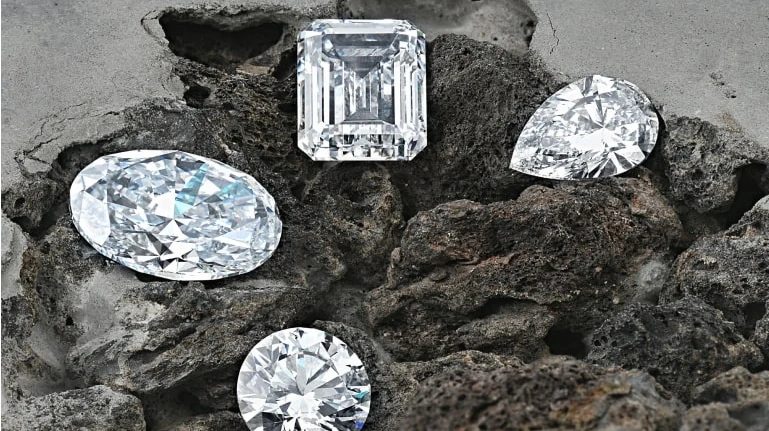
Understanding the differences between these two gemstones helps buyers make more informed and confident decisions.
Choosing the right gemstone for fine jewelry is an important decision for many buyers. It often involves balancing beauty, durability, price, and personal values. One of the most common comparisons in the jewelry world is moissanite vs diamond, as both stones can look strikingly similar but differ in several key areas.
Composition and Origin
Diamonds are formed deep within the earth under intense heat and pressure over billions of years. They are made entirely of carbon atoms arranged in a crystal structure, making them one of the hardest natural materials known.
Moissanite, on the other hand, is composed of silicon carbide. It was first discovered in a meteor crater and is now primarily created in controlled laboratory environments for jewelry use. This difference in origin gives each stone its own unique identity while still offering exceptional beauty.
Appearance and Brilliance
At first glance, diamonds and moissanite can appear quite similar, especially when set in fine jewelry. However, their light performance differs in noticeable ways.
Diamonds are known for their classic sparkle, often described as a balance of white light reflection and subtle fire. Their brilliance tends to appear elegant and timeless, which is why they remain a traditional choice for engagement rings and heirloom pieces.
Moissanite, in contrast, tends to reflect more rainbow colored flashes of light. This higher level of dispersion gives it a more fiery sparkle under certain lighting conditions. Some people love this extra brilliance, while others prefer the more understated look of diamonds.
Durability and Hardness
Durability is a key factor when selecting a gemstone for everyday wear.
Diamonds rank highest on the Mohs scale of hardness, making them extremely resistant to scratching and ideal for long term use. This durability is one reason diamonds have remained the standard choice for engagement jewelry.
Moissanite is also highly durable and well suited for daily wear. While slightly lower in hardness compared to diamonds, it still performs very well in practical use and resists scratching better than many other gemstones. This makes it a strong alternative for those seeking beauty with long lasting performance.
Price Differences
One of the most significant differences between these two gemstones is price.
Diamonds tend to be significantly more expensive due to their natural formation process, mining costs, and market demand. Larger, higher quality diamonds can reach very high price points, making them a major investment for many buyers.
Moissanite is generally much more affordable while still offering impressive brilliance and clarity. Because it is created in laboratories, production is more controlled and cost efficient. This allows buyers to choose larger or more elaborate designs without the higher cost associated with diamonds.
Ethical and Environmental Considerations
Ethical sourcing is an increasingly important factor in modern jewelry decisions.
Diamonds have a complex supply chain, and concerns about mining practices have led many consumers to seek more transparent options. While many diamonds are now ethically sourced and certified, the industry still requires careful research when making a purchase.
Moissanite is created in laboratory environments, which reduces the environmental impact associated with mining. This makes it an appealing option for individuals who prioritize sustainability and responsible sourcing in their jewelry choices.
Choosing Between the Two
Selecting between moissanite and diamond ultimately depends on personal preference and priorities.
If tradition, natural origin, and long standing symbolism are most important, diamonds remain a classic and meaningful choice. Their timeless appeal continues to make them a popular option for engagement rings and fine jewelry.
If value, brilliance, and ethical production are higher priorities, moissanite offers an attractive alternative. It provides exceptional sparkle and durability at a more accessible price point, allowing for more flexibility in design and size.
Both gemstones have their own strengths, and neither is universally better than the other. The right choice depends on what qualities matter most to the wearer.
Conclusion
Understanding the differences between these two gemstones helps buyers make more informed and confident decisions. Whether choosing for beauty, budget, or ethical reasons, both options offer impressive qualities that suit different lifestyles and preferences. Visit the official website of pompeii3.com



Comments
Login to Comment