Local Fragrances and Affordable Sprays Are Redefining Air Care in Bolivia
04 Sep, 2026
484 Views 0 Like(s)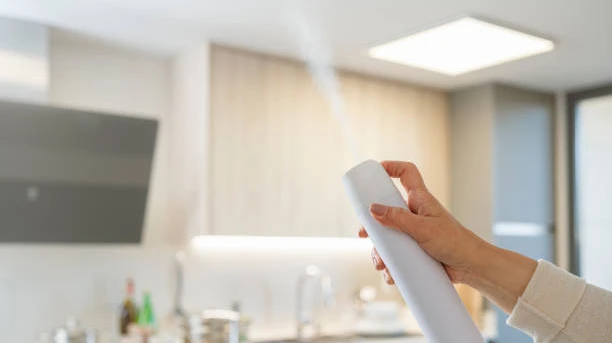
Bolivia’s air freshener sector is evolving through affordable domestic products, locally inspired fragrances, practical spray formats, ecological alternatives, and accessible offline retail. As imported products face higher costs, local manufacturers are finding new opportunities to combine competitive pricing with culturally relevant scents and everyday functionality.
Air fresheners in Bolivia are increasingly influenced by affordability, locally relevant fragrances, practical product formats, and changing household purchasing priorities. As imported products become more expensive and less accessible, domestic alternatives are gaining attention by combining competitive pricing with fragrances and functions designed for local consumers. Spray and aerosol products remain particularly important because they provide quick scent delivery while fitting the budgets of price-conscious households.
According to a Vyansa Intelligence report, Bolivia’s air freshener sector was valued at USD 8.5 million in 2025 and is projected to reach USD 10 million by 2032, representing a 2.35% CAGR during 2026–2032. The Bolivia air freshener market analysis highlights the shift toward affordable domestic products, culturally familiar fragrances, spray-based solutions, ecological variants, and offline retail as key influences shaping the category.
Domestic Products Are Becoming More Relevant to Households
Economic conditions are changing the way Bolivian consumers evaluate air-care products. Foreign-exchange constraints and higher prices for imported products are encouraging households to consider locally produced alternatives that provide familiar functionality at more accessible price points.
In this report, affordability is closely connected with the increasing relevance of domestic production. Local manufacturers have an opportunity to compete not only through lower prices but also by adapting fragrances and product characteristics to Bolivian preferences.
Native Fragrances Give Air Care a Local Identity
Fragrance can become more distinctive when it reflects scents consumers associate with their surroundings and culture. The underlying research identifies fragrances inspired by Tajibo en Flor and Achachairú as examples of how local producers are building stronger cultural relevance into their products.
The latest market analysis therefore demonstrates that localisation can extend beyond manufacturing. A fragrance that feels familiar to Bolivian consumers can help domestic products establish an identity that distinguishes them from standardized imported alternatives.
Spray Formats Deliver Practical Everyday Freshness
Spray and aerosol air fresheners remain central to Bolivia’s air-care landscape because they are convenient, accessible, and capable of delivering fragrance immediately. Consumers can use them selectively in different spaces without investing in separate devices or more elaborate fragrance systems.
The Bolivia air freshener industry report also points to innovation within sprays, including products that combine fragrance with disinfectant-related functionality. This reflects a broader movement toward products designed to provide more than a single household benefit.
Household Spending Conditions Keep Value at the Centre
Affordability remains one of the strongest considerations affecting the category. Price increases can make non-essential household products more difficult to justify, particularly when imported alternatives carry higher costs.
Bolivia’s National Institute of Statistics includes household cleaning articles within its Household Survey measurement of non-food household expenditure. This official statistical framework provides useful context for understanding how cleaning and related household products sit alongside the many other expenses families need to manage.
These detailed market insights help explain why accessible pricing and recognizable functionality are particularly important for air-care manufacturers operating in Bolivia.
Ecological Formats Are Creating New Product Possibilities
Product development is gradually extending toward natural and environmentally conscious alternatives. The supplied research identifies increasing interest in ecological variants alongside new formats such as longer-lasting gels and more accessible electric air fresheners.
Broader industry analysis suggests that this creates room for differentiation beyond fragrance alone. Manufacturers can explore formulation, longevity, packaging, and delivery formats while continuing to recognise that affordability remains critical to widespread adoption.
Electric Air Care Could Reach a Broader Audience
Electric air fresheners traditionally involve a higher initial purchase cost than basic sprays. However, more economy-focused alternatives could make continuous fragrance delivery accessible to additional consumers.
This creates an opportunity for manufacturers to compete across multiple price levels. Rather than positioning electric products exclusively as premium devices, brands can explore simpler formats that provide the core benefit of sustained fragrance while remaining practical for budget-conscious households.
Household Purchasing Data Provides Useful Consumer Context
Official household expenditure information offers another perspective on the environment in which air fresheners compete. Bolivia’s National Institute of Statistics describes non-food household spending as an important component of household expenditure and specifically records spending on cleaning articles such as detergents, waxes and other household supplies.
For an air freshener market research report, this matters because fragrance products compete for household budgets alongside numerous cleaning, transportation, housing, communication, and personal needs. Products with an easily understood benefit can therefore be better positioned to justify repeat purchasing.
Physical Retail Supports Visibility for Local Brands
Offline stores remain particularly important for air fresheners in Bolivia. Grocery stores, drugstores, and general retailers provide direct access to both domestic and imported products while allowing packaging and fragrance positioning to influence purchasing decisions.
Physical retail is also valuable for emerging local manufacturers seeking recognition. Strong shelf visibility can introduce consumers to unfamiliar fragrances and formats without requiring them to actively search for a specific product online.
Reduced Import Dependence Creates Space for Domestic Innovation
Challenges affecting imported products are creating opportunities for Bolivian manufacturers to strengthen their presence. Domestic brands can respond more directly to affordability concerns while experimenting with culturally familiar scents, disinfectant-enhanced sprays, gels, and other formats.
The strongest opportunity is not simply replacing imported products with cheaper alternatives. Local manufacturers can build longer-term relevance by combining accessible prices with recognizable functionality and product characteristics that reflect domestic consumer preferences.
Local Relevance Is Giving Bolivian Air Care a Clearer Direction
Bolivia’s air-care landscape increasingly connects affordability, domestic production, culturally familiar fragrances, convenient sprays, ecological concepts, and physical retail accessibility. These influences are creating an environment where local relevance can be as important as sophisticated product technology.
According to this air freshener industry report, the supplied figures indicate continued development through 2032. Manufacturers that combine practical fragrance delivery, competitive pricing, locally meaningful scent profiles, and accessible distribution can remain relevant as Bolivian households carefully balance product functionality with everyday spending priorities.



Comments
Login to Comment