Liposuction and Healthy Lifestyle: What Patients Should Know
18 Sep, 2026
5 Views 0 Like(s)
Learn how liposuction and healthy lifestyle habits work together to support body contouring, recovery, stable weight, and lasting results.
Liposuction is a popular cosmetic procedure used to reduce localized fat deposits and improve body contours. However, treatment is only one part of a person's overall body contouring journey. Healthy lifestyle habits before and after liposuction can play an important role in supporting recovery, maintaining a stable weight, and preserving the appearance of treated areas.
It is also important to understand that liposuction is not a replacement for healthy eating, regular physical activity, or medically appropriate weight management. Instead, it can complement a healthy lifestyle when used for suitable patients with realistic expectations.
Understanding the Role of Liposuction
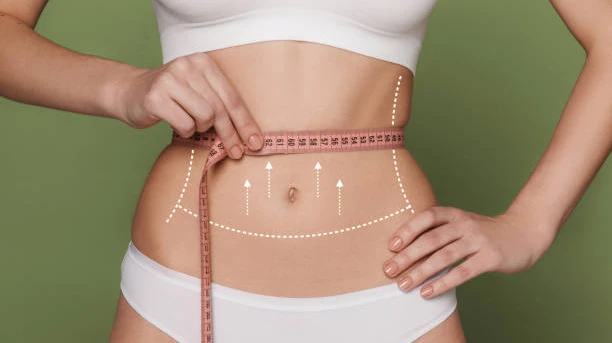
Liposuction is a surgical body contouring procedure that removes localized fat from selected areas of the body. Common treatment areas include the abdomen, waist, hips, thighs, arms, back, and under the chin.
The procedure is primarily intended to reshape specific areas rather than provide significant overall weight loss. People may consider it when stubborn fat remains despite consistent lifestyle habits.
A consultation with a qualified surgeon is important for determining whether liposuction is appropriate. Individual factors such as health, body composition, skin elasticity, and treatment goals can influence the treatment plan.
Why a Healthy Lifestyle Matters Before Treatment
Preparing for liposuction involves more than scheduling the procedure. Maintaining healthy habits can help patients approach surgery in an appropriate state of general health.
A balanced diet provides nutrients needed for normal bodily functions. Meals that include vegetables, fruits, whole grains, healthy sources of protein, and other nutrient-rich foods can support overall wellness.
Regular physical activity may also be beneficial when appropriate. However, patients should avoid making extreme or sudden changes to their diet or exercise routine simply to prepare for surgery.
Your healthcare provider can provide personalized recommendations based on your individual circumstances.
Maintaining a Stable Weight
Weight stability is an important consideration when planning body contouring. Significant weight fluctuations before treatment may change the distribution of fat and make it more difficult to predict how contours will look.
For this reason, patients may be encouraged to approach treatment with realistic and sustainable lifestyle habits rather than short-term dieting.
Liposuction should not be viewed as a solution for repeated cycles of weight gain and loss. Establishing healthy routines can provide a more suitable foundation for body contouring.
Nutrition During Recovery
After liposuction, the body needs time to heal. Nutritious meals can support normal recovery by providing essential nutrients.
Protein is an important component of a balanced diet, while fruits and vegetables provide a variety of vitamins, minerals, and other nutrients. Adequate fluid intake is also important for maintaining hydration.
Patients should follow any dietary instructions provided by their healthcare team. Restrictive diets or rapid weight-loss plans may not be appropriate during the early healing period.
Physical Activity After Liposuction
Returning to exercise should be gradual. Your surgeon will provide instructions based on the extent of treatment and your individual healing progress.
Gentle movement may be recommended at an appropriate stage, while strenuous exercise, heavy lifting, and intense workouts may need to be postponed.
Once you have received medical clearance, gradually returning to regular physical activity can help support overall fitness and weight management.
The goal is to establish a sustainable routine rather than immediately returning to an intense workout schedule.
How Lifestyle Habits Can Support Results
Liposuction removes fat cells from the treated areas, but it does not prevent future weight gain. Remaining fat cells can still increase in size when the body stores excess energy.
Maintaining a stable weight through balanced nutrition and regular physical activity can therefore help preserve the contours created by treatment.
Healthy habits can also benefit areas that were not treated. This can contribute to maintaining balanced overall body proportions.
Hydration and Everyday Wellness
Adequate hydration is another important part of general wellness. During recovery, patients should follow their healthcare provider's recommendations regarding fluid intake.
Other healthy habits, such as getting sufficient sleep and avoiding smoking or nicotine products when advised by a healthcare professional, can also be relevant to surgical recovery.
Rather than focusing only on the appearance of treated areas, patients can use the recovery period as an opportunity to build sustainable health habits.
Avoiding Unrealistic Expectations
A healthy lifestyle can support body contouring results, but it cannot guarantee a particular appearance. Body shape is influenced by genetics, age, skin elasticity, muscle structure, and many other factors.
Similarly, liposuction cannot completely prevent future changes in body shape. Significant weight changes, aging, and other natural processes can affect contours over time.
Understanding these limitations can help patients maintain realistic expectations before and after treatment.
Follow Your Healthcare Provider's Advice
Every patient has different needs. Your surgeon may provide specific instructions about medications, wound care, compression garments, activity, diet, and follow-up visits.
Following these instructions is more important than relying on general advice. If you are unsure about when to exercise, what foods to eat, or which supplements to take, ask your medical team before making changes.
Follow-up appointments also provide an opportunity to discuss your progress and any concerns during recovery.
Building Long-Term Healthy Habits
The best lifestyle changes are generally those that can be maintained over time. Instead of temporary diets or extreme exercise programs, focus on consistent habits that support overall wellness.
Regular movement, balanced meals, adequate hydration, sufficient rest, and stable weight management can all contribute to long-term health.
When combined with appropriate body contouring treatment, these habits can help patients feel more confident about maintaining their results.
Conclusion
Liposuction can help reduce localized fat deposits and refine selected body contours, but a healthy lifestyle remains an important part of the overall process. Balanced nutrition, regular physical activity, weight stability, hydration, and proper recovery care can help support the body's healing and long-term results.
Liposuction should be viewed as a body contouring procedure rather than a substitute for healthy habits. By following individualized medical guidance and developing sustainable routines, patients can approach treatment and recovery with realistic expectations and a focus on long-term wellness.
Frequently Asked Questions
1. Can liposuction replace diet and exercise?
No. Liposuction is a body contouring procedure and does not replace balanced nutrition, physical activity, or appropriate weight-management strategies.
2. Can I exercise immediately after liposuction?
Exercise should be resumed gradually and only according to your healthcare provider's instructions. Strenuous activity may need to be avoided during the initial recovery period.
3. Can weight gain affect liposuction results?
Yes. Significant weight gain can change overall body contours because remaining fat cells can enlarge. Maintaining a stable weight can help support the results.
4. What should I eat after liposuction?
A balanced diet containing adequate protein, fruits, vegetables, whole grains, and other nutrient-rich foods can support general wellness during recovery. Follow your provider's individual dietary recommendations.
For more information visit
Enfield royal clinic in islamabad
Comments
Login to Comment