How Beard Transplant Supports a More Defined Jawline Appeara
06 Nov, 2026
10 Views 0 Like(s)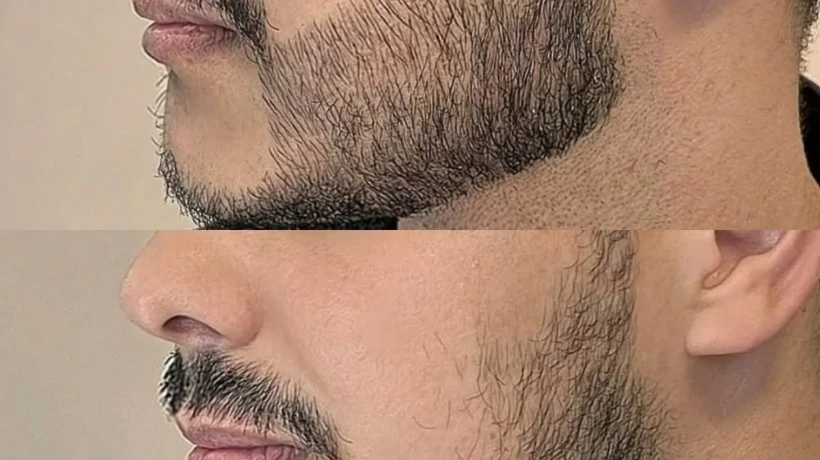
Discover how beard transplantation can improve facial hair density, enhance jawline definition, and create a fuller, balanced beard appearance.
A well-defined jawline can contribute to a balanced and attractive facial appearance. For many men, beard growth plays an important role in shaping the lower part of the face. A thick beard along the cheeks, chin, and jawline can create a more structured look, while patchy or uneven facial hair may make the beard appear incomplete.
Men who struggle with sparse growth or empty areas may find it difficult to achieve their preferred beard style. Modern hair restoration techniques offer an option for improving facial hair coverage. A beard hair transplant in Islamabad can introduce healthy hair follicles into selected areas, helping create a fuller beard outline that complements individual facial features.
Understanding the Connection Between Beard Growth and Jawline Definition
The beard naturally frames the lower face. Its density and shape can influence how the jawline appears by creating visual contrast around the cheeks, chin, and jaw.
Some men naturally have thick growth along the jawline, while others experience thin areas that interrupt the beard outline. Limited growth around the chin or sides of the face can also make it challenging to maintain a consistent style.
Although a beard transplant cannot change the underlying bone structure or physically reshape the jaw, it may improve the visual appearance of the lower face by adding hair to selected areas.
What Is a Beard Transplant?
A beard transplant is a hair restoration procedure that moves healthy follicles from a donor area, commonly the back or sides of the scalp, into parts of the face with limited hair growth.
Follicular Unit Extraction (FUE) is a commonly used method. Individual follicles are carefully removed and prepared for implantation. The specialist then creates small recipient sites in the beard area and places the grafts according to the planned design.
The treatment can focus on different facial regions, including:
-
Jawline to improve beard coverage along the lower face.
-
Chin to increase density in selected areas.
-
Cheeks to create a more consistent beard outline.
-
Sideburns to improve the connection between scalp and facial hair.
-
Moustache to address specific areas with limited growth.
The number of grafts depends on the patient's existing density, donor hair availability, and desired appearance.
How Beard Transplantation Can Enhance Jawline Appearance
A carefully planned beard transplant may help create a more consistent distribution of facial hair. By improving coverage along the jawline and chin, it can provide a fuller outline that complements the natural facial structure.
For example, men with sparse growth near the sides of the jaw may benefit from additional coverage in those areas. Others may want to improve gaps around the chin so their beard looks more balanced.
The specialist must consider the patient's natural hair direction and facial proportions. The goal is to create a beard that looks appropriate rather than an artificially dense or sharply outlined appearance.
The Importance of Personalized Beard Design
Every face has different proportions, so a standard beard design may not suit everyone. A restoration plan should consider the shape of the chin, cheekbones, jawline, and existing facial hair.
During consultation, the specialist evaluates the areas requiring additional coverage and discusses the patient's preferred beard style.
Important planning factors include:
-
Natural beard growth direction.
-
Existing facial hair density.
-
Face shape and jawline proportions.
-
Donor hair quality and availability.
-
Desired beard length and outline.
-
Realistic expectations for coverage.
Personalized planning helps ensure that transplanted hair blends with existing growth and supports a balanced appearance.
Understanding the FUE Transplant Process
FUE is widely used in beard restoration because it allows individual follicles to be collected from a suitable donor region.
The procedure generally begins with an examination of the donor and recipient areas. Local anaesthesia is commonly administered to reduce discomfort during treatment.
Individual follicles are extracted, prepared, and placed into small openings created in the beard area. The specialist carefully controls the direction and angle of implantation to match natural facial hair patterns.
The procedure's duration varies depending on the number of grafts and the size of the treatment area. Patients receive specific aftercare instructions before leaving the clinic.
Recovery and Aftercare for Better Results
After transplantation, temporary redness, swelling, tenderness, and small scabs may develop around the treated areas. These effects generally improve as healing progresses.
Following the specialist's instructions is important. Patients may be advised to:
-
Avoid rubbing or scratching the implanted area.
-
Clean the skin according to medical guidance.
-
Avoid strenuous exercise until medically cleared.
-
Protect healing skin from direct sunlight.
-
Avoid shaving until permission is given.
-
Attend scheduled follow-up appointments.
Some transplanted hairs may shed during the early weeks. This is commonly part of the hair growth cycle. New growth develops gradually, and visible improvement may take several months.
Who May Be Suitable for Beard Restoration?
Men with naturally thin facial hair, patchy beard growth, or selected areas affected by scars may be potential candidates. However, treatment suitability depends on donor hair availability, skin health, medical history, and personal expectations.
A professional assessment is necessary to determine whether transplantation is appropriate. Patients should also understand that a beard transplant improves hair coverage but does not alter the actual structure of the jawbone.
Professional Beard Restoration in Islamabad
Men exploring a Beard hair transplant in Islamabad should choose a qualified specialist who understands facial hair patterns and natural beard design. A reliable consultation should include an examination of the donor area, discussion of graft requirements, and an explanation of possible risks and outcomes.
Ask about the recommended technique, recovery timeline, aftercare, and follow-up arrangements. Reviewing genuine before-and-after photographs can also help you understand the range of possible results.
Conclusion
Beard transplantation may help improve facial hair coverage along the cheeks, chin, and jawline, creating a fuller outline that complements the lower face. Although it cannot change the underlying jaw structure, carefully planned follicle placement can improve the visual balance of a beard. Anyone considering a Beard hair transplant in Islamabad should consult a qualified specialist to explore suitable options and realistic expectations.
Frequently Asked Questions
1. Can a Beard hair transplant in Islamabad make my jawline look more defined?
A Beard hair transplant in Islamabad may improve hair coverage along the chin and jawline, creating a fuller beard outline that visually complements facial features.
2. Does a Beard hair transplant in Islamabad change the shape of the jawbone?
No. A Beard hair transplant in Islamabad adds hair follicles to selected facial areas but does not change the underlying bone structure or physical shape of the jaw.
3. How long does it take to see results after a Beard hair transplant in Islamabad?
Following a Beard hair transplant in Islamabad, transplanted hairs may initially shed. New growth develops gradually over several months.
4. Who can benefit from a Beard hair transplant in Islamabad for jawline coverage?
Men with sparse jawline growth, patchy beards, or limited chin coverage may be suitable. A specialist must evaluate donor hair availability and individual treatment needs.
For more information visit
Enfield royal clinic in islamabad


Comments
Login to Comment