Lipedema Complications: What Riyadh Patients Should Be Aware Of

Living with Lipedema in Riyadh can be challenging, especially when the condition is not recognized or managed in its early stages. Lipedema is a chronic disorder that primarily affects the distribution of fat in the legs, thighs, hips, and sometimes the arms.
 Unlike ordinary weight gain, this condition causes symmetrical fat accumulation that may be accompanied by tenderness, swelling, and easy bruising. Understanding its potential complications allows individuals to seek timely care and improve their overall quality of life.

Many people searching for answers often use terms like lipedema doctor near me to find professional guidance and learn more about available treatment options. Seeking accurate information is an important first step because lipedema is frequently mistaken for obesity or lymphedema. With proper evaluation and a personalized management plan, patients can reduce discomfort and slow the progression of the condition.

Understanding Lipedema and Its Progression

Lipedema is a long-term condition that affects fatty tissue beneath the skin. It commonly develops during hormonal changes such as puberty, pregnancy, or menopause. The affected areas often become enlarged while the feet and hands remain relatively unaffected, creating a distinct appearance.

Without appropriate care, lipedema may gradually progress through different stages. The skin texture can become uneven, fatty deposits may increase in size, and mobility may become more difficult. Recognizing the early signs helps individuals take proactive steps before complications become more severe.

Common Complications of Lipedema

Persistent Pain and Tenderness

One of the most noticeable complications of lipedema is ongoing pain. The affected tissues often become sensitive to touch, making everyday activities uncomfortable. Standing or walking for long periods may increase discomfort, which can interfere with work, exercise, and daily routines.

Reduced Mobility

As lipedema progresses, the increased volume of fatty tissue can place additional strain on the joints and muscles. This may affect balance, flexibility, and movement. Many patients find that simple tasks such as climbing stairs or walking longer distances become increasingly difficult over time.

Easy Bruising

People with lipedema frequently experience bruising even after minor bumps or pressure. This occurs because the small blood vessels within the affected tissues are more fragile than normal. Frequent bruising is often one of the earliest symptoms that distinguishes lipedema from other conditions.

Risk of Secondary Lymphedema

When Fluid Buildup Becomes a Concern

In advanced stages, lipedema may interfere with the normal flow of lymphatic fluid. This can lead to secondary lymphedema, a condition characterized by persistent swelling caused by fluid accumulation. The combination of lipedema and lymphedema is often referred to as lipo-lymphedema.

Early intervention and regular monitoring can help reduce the likelihood of developing this complication while supporting healthier circulation and tissue function.

Skin Changes and Increased Sensitivity

Chronic swelling may affect the skin's condition, making it more vulnerable to irritation and infection. Maintaining proper skin care and following professional recommendations can help preserve skin health and minimize potential problems.

Emotional and Psychological Challenges

Living with lipedema is not only a physical experience but also an emotional one. Many individuals struggle with body image concerns because the condition does not respond to traditional dieting or exercise alone. Feelings of frustration, anxiety, and reduced self-confidence may develop if the condition remains undiagnosed or misunderstood.

Receiving an accurate diagnosis and understanding the nature of lipedema can provide reassurance while encouraging patients to pursue effective management strategies that support both physical and emotional well-being.

The Importance of Early Diagnosis

Recognizing the Warning Signs

Symptoms such as symmetrical fat accumulation, pain, tenderness, heaviness in the legs, and frequent bruising should not be ignored. Seeking evaluation at the earliest opportunity helps distinguish lipedema from similar conditions and allows for more effective treatment planning.

Benefits of Timely Management

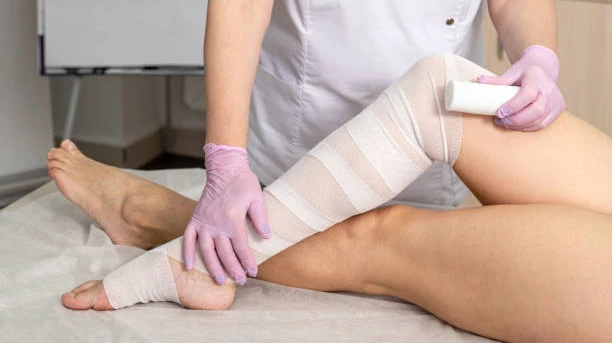
Early management may help slow disease progression, improve mobility, reduce discomfort, and enhance overall quality of life. Personalized treatment plans often combine lifestyle guidance, compression therapy, physical activity, and other supportive approaches depending on each patient's individual needs.

How Lifestyle Habits Can Help

Although lipedema cannot simply be eliminated through weight loss, healthy lifestyle choices can support symptom management. Regular low-impact exercise, maintaining an active routine, proper hydration, balanced nutrition, and following recommended therapies may help reduce discomfort and improve daily function.

Consistent follow-up also allows healthcare professionals to monitor progression and adjust treatment strategies whenever necessary, helping patients maintain greater independence and confidence.

Frequently Asked Questions

What is the difference between lipedema and obesity?

Lipedema is a chronic fat distribution disorder that typically affects the legs and arms symmetrically, while obesity involves generalized body fat accumulation. Lipedema is often painful and associated with easy bruising.

Can lipedema become worse over time?

Yes. Without appropriate management, lipedema may gradually progress, leading to increased discomfort, reduced mobility, and possible secondary lymphedema.

Who is most likely to develop lipedema?

Lipedema primarily affects women and often appears during periods of hormonal change such as puberty, pregnancy, or menopause.

Can exercise cure lipedema?

Exercise cannot cure lipedema, but regular low-impact physical activity can improve mobility, support circulation, and help manage symptoms.

Why is early diagnosis important?

Early diagnosis allows patients to begin appropriate management sooner, helping reduce complications and improve long-term quality of life.

Consultation at Enfield Royal Clinic

If you are experiencing symptoms of Lipedema in Riyadh or have concerns about persistent swelling, pain, or unusual fat distribution, seeking professional evaluation can make a significant difference. Enfield Royal Clinic offers patient-focused consultations to help assess your condition, explain suitable treatment options, and develop a personalized care plan designed to support your comfort, mobility, and long-term well-being.