LED Lights Brighten Modern Spaces With Smart Efficiency
16 May, 2026
1689 Views 0 Like(s)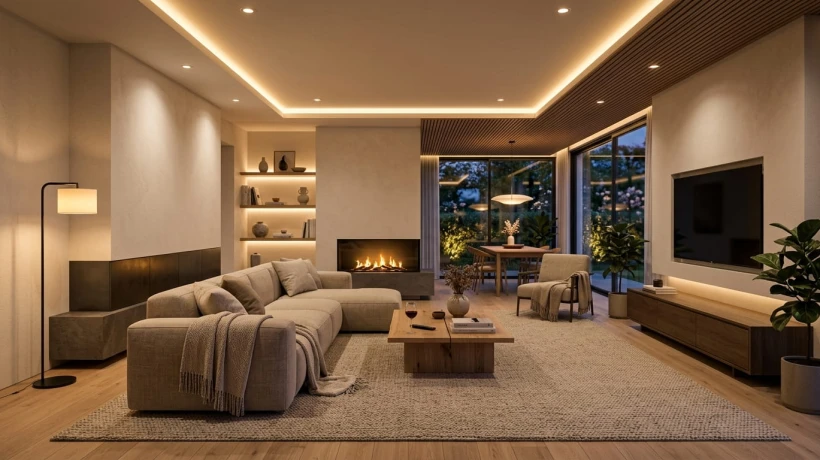
Switch to LED lights and cut down your electricity bill without compromising brightness or style
Lighting has changed dramatically over the years, and LED lights are now one of the most popular choices for homes, offices, industries, and outdoor spaces. From saving electricity to improving brightness and style, LED technology continues to transform the way people illuminate their surroundings. Whether used in bedrooms, commercial buildings, parking lots, or decorative setups, Led Lights provide a combination of efficiency, durability, and performance that traditional bulbs often fail to match.
What Are LED Lights?
LED stands for Light Emitting Diode. Unlike traditional incandescent bulbs that use filaments or fluorescent lights that rely on gases, LED lights produce illumination through semiconductors. This modern technology allows LEDs to consume less power while delivering brighter and more focused light.
LED lights are available in different shapes, sizes, and colors, making them suitable for almost every lighting requirement. They are widely used in residential properties, retail stores, warehouses, streets, stadiums, and vehicles.
Why LED Lights Are Popular
The demand for LED lighting has increased worldwide because of its practical benefits. Homeowners and businesses prefer LED solutions because they help lower energy bills and require less maintenance.
Energy Efficiency
One of the biggest advantages of LED lights is energy efficiency. LEDs use significantly less electricity compared to traditional bulbs. This helps reduce overall power consumption, making them a cost-effective option for long-term use.
Many households replace old lighting systems with LEDs to reduce monthly electricity expenses. Businesses also switch to LED fixtures to save operational costs in offices, shopping malls, and factories.
Longer Lifespan
LED lights are known for their impressive lifespan. Traditional incandescent bulbs may last around 1,000 hours, while LED lights can often last up to 50,000 hours or more depending on quality and usage.
Because of their durability, LEDs require fewer replacements. This reduces maintenance costs and inconvenience, especially in commercial or industrial environments where lighting systems operate for long hours.
Environmentally Friendly
LED lights are considered environmentally friendly because they consume less energy and do not contain harmful materials like mercury. Their long lifespan also means fewer bulbs are discarded, reducing waste.
Lower energy usage contributes to reduced carbon emissions, which supports environmental sustainability efforts across the world.
Better Brightness and Quality
LED lighting offers consistent brightness without flickering. Many LED products provide excellent color rendering, allowing objects and interiors to appear more natural and vibrant.
Modern LED systems are available in warm white, cool white, daylight, and RGB color options. This flexibility allows users to create different moods and lighting effects based on their preferences.
Different Types of LED Lights
LED lighting products come in many forms for different applications. Choosing the right type depends on the purpose and environment.
LED Bulbs
LED bulbs are commonly used in homes and offices. They fit standard sockets and are ideal for bedrooms, kitchens, living rooms, and workspaces.
LED Tube Lights
Tube lights are widely used in schools, offices, hospitals, and commercial areas. LED tube lights provide uniform illumination while consuming less energy than fluorescent tubes.
LED Panel Lights
Panel lights offer a modern and sleek appearance. They are commonly installed in offices, conference rooms, hotels, and shopping centers for professional lighting solutions.
LED Strip Lights
Strip lights are flexible and decorative. They are used for interior decoration, gaming setups, ceilings, cabinets, and entertainment areas.
Outdoor LED Lights
Outdoor LED fixtures are designed for streets, parking lots, gardens, stadiums, and security purposes. They are weather-resistant and provide high brightness levels.
Applications of LED Lights
LED lighting is used in various industries and everyday environments.
Residential Use
Homeowners use LED lights to improve interior design while reducing electricity costs. LEDs are installed in kitchens, bedrooms, bathrooms, balconies, and outdoor spaces.
Smart LED bulbs are also becoming popular because they can be controlled through mobile apps or voice assistants.
Commercial Spaces
Retail stores and offices rely on LED lighting to create comfortable and professional environments. Proper lighting helps improve productivity and enhances customer experiences.
Industrial Facilities
Factories and warehouses require bright and durable lighting systems. LED high bay lights are commonly used in industrial facilities because they provide powerful illumination with low energy consumption.
Automotive Industry
Modern vehicles use LED headlights, taillights, and interior lighting systems. LEDs improve visibility and add a stylish appearance to cars and motorcycles.
Hospitality and Entertainment
Hotels, restaurants, theaters, and event venues use decorative LED lighting to create attractive atmospheres. RGB LED systems are especially popular for dynamic lighting effects.
Smart LED Technology
Technology has made LED lighting more advanced and convenient. Smart LED systems allow users to control brightness, colors, and schedules using smartphones or smart home devices.
Features of smart LED lights include:
- Remote control access
- Adjustable brightness
- Color-changing modes
- Voice assistant compatibility
- Energy monitoring
- Scheduling options
Smart lighting helps users customize environments while improving convenience and efficiency.
Tips for Choosing LED Lights
Selecting the right LED light depends on several factors.
Check Brightness
Brightness is measured in lumens. Higher lumens mean brighter light. Choose brightness levels according to the room size and purpose.
Select the Right Color Temperature
Warm white lighting creates a cozy atmosphere, while cool white or daylight options are better for offices and task-oriented spaces.
Consider Energy Ratings
High-quality LED lights usually have better energy ratings and longer lifespans. Investing in reliable products can save money over time.
Choose Trusted Brands
Well-known brands often provide better durability, warranties, and performance compared to cheaper alternatives.
Look for Smart Features
If convenience is important, consider smart LED bulbs with app or voice control support.
Future of LED Lighting
The future of LED lighting looks promising as technology continues to evolve. Manufacturers are focusing on smarter, more efficient, and environmentally sustainable lighting systems.
Innovations such as solar-powered LEDs, human-centric lighting, and advanced automation are becoming increasingly popular. Cities around the world are also adopting LED street lighting systems to reduce energy usage and maintenance costs.
As awareness of energy conservation grows, LED lights are expected to remain a leading choice for residential, commercial, and industrial applications.
Conclusion
LED lights have revolutionized modern lighting with their energy efficiency, durability, and versatility. From homes and offices to factories and outdoor environments, LEDs provide reliable illumination while reducing electricity consumption and maintenance costs.
Their long lifespan, eco-friendly design, and advanced smart features make them a practical investment for the future. Whether upgrading a living space or improving commercial lighting systems, LED lights continue to offer powerful benefits for both everyday users and businesses.


Comments
Login to Comment