Leading Cardiac Instruments Manufacturers Delivering Precision Surgical Solutions
09 May, 2026
1754 Views 0 Like(s)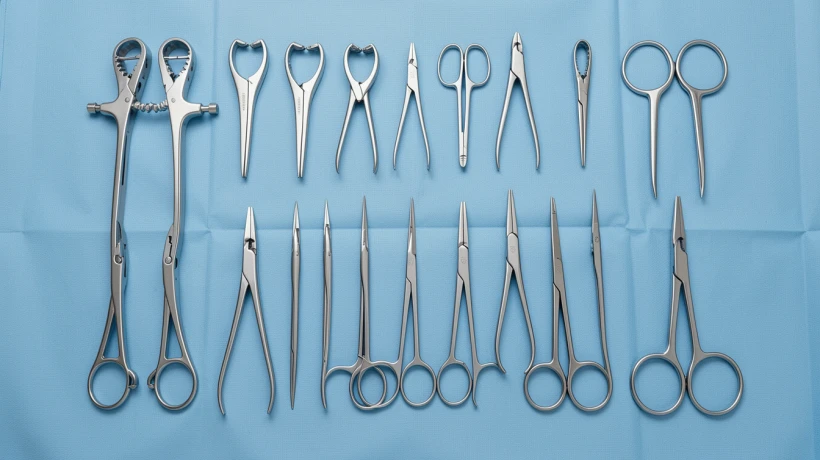
Precision Cardiac Instruments from ISO-certified manufacturers in India since 1967. Trusted by hospitals in 31 countries. Request specs today.
Leading Cardiac Instruments Manufacturers Delivering Precision Surgical Solutions
An emergency bypass procedure does not fail because the surgeon forgot anatomy. It fails because a clamp slips half a millimeter under pressure, or because a needle holder loses grip halfway through a delicate closure. That is why experienced hospitals scrutinize their surgical instruments supply chain harder than most vendors expect.
Across cardiac care centers and vascular surgery units, demand for reliable Cardiac Instruments and precision-driven surgical instruments has increased sharply as procedure volumes continue climbing. India alone performs more than 300,000 cardiac surgeries annually, according to estimates from major healthcare associations and hospital networks. Procurement teams are under pressure from both surgeons and finance departments. One side wants flawless precision. The other wants procurement discipline.
And yet, many buyers still evaluate suppliers using catalog photos and the lowest landed cost.
That mistake usually becomes visible after sterilization cycles start affecting surface finish, hinge movement, or alignment tolerance. By then, the shipment is already in circulation.
For hospitals, distributors, and vascular centers sourcing Vascular Instruments, supplier capability matters more than polished marketing language ever will.
The Finish Tolerance Buyers Notice Too Late
Material Grade Matters More Than Brochure Claims
Most high-performing surgical instruments used in cardiac and vascular procedures are manufactured using medical-grade stainless steel such as AISI 410, 420, or selected German stainless variants. The difference shows up after repeated autoclave exposure.
A poorly heat-treated instrument may still pass an initial inspection.
Six months later, it develops micro-pitting near the hinge.
That's the real test.
Cardiac procedures demand instruments with exact jaw alignment, balanced finger rings, controlled spring tension, and corrosion resistance that survives hundreds of sterilization cycles. A procurement team sourcing artery forceps, vascular clamps, rib spreaders, needle holders, or bulldog clamps cannot treat these as interchangeable commodities.
The Overlooked Spec: Hinge Stability Under Repeated Sterilization
Nobody tells you this during procurement discussions, but hinge fatigue is one of the first operational complaints surgeons raise after deployment.
Repeated sterilization at temperatures exceeding 121°C gradually exposes weak riveting and inconsistent machining tolerances. Suppliers who avoid discussing cycle testing usually have a reason.
Reliable Cardiac Instruments Manufacturers test instrument movement repeatedly before shipment. Some export-focused factories perform manual inspection on every hinge-action instrument batch instead of random sampling alone.
Which means fewer surprises inside an operating room.
Commonly Used Cardiac and Vascular Instruments
Cardiac Surgery Instruments
-
Needle holders
-
Rib spreaders
-
Vascular clamps
-
Aortic punch instruments
-
Forceps and scissors
-
Coronary artery forceps
Vascular Surgery Instruments
-
Bulldog clamps
-
Vessel dilators
-
Micro forceps
-
Vascular scissors
-
Atraumatic clamps
India’s medical device exports crossed USD 3.8 billion recently, and surgical instrumentation remains one of the strongest manufacturing segments due to precision engineering capabilities and export scalability.
What a Weak Supplier Answer Sounds Like
1. Ask About Steel Traceability
A serious supplier can identify steel origin, hardness range, and finishing process quickly.
A bad answer sounds like this:
"Our quality team checks everything before dispatch."
That is not traceability. That's avoidance.
2. Verify Sterilization Durability
Hospitals should ask how instruments perform after repeated autoclave exposure.
If the answer becomes vague around cycle counts or corrosion resistance testing, walk away.
3. Inspect Jaw Alignment Consistency
Cardiac surgeons notice jaw deviation immediately during fine tissue handling.
A supplier showing only polished samples without tolerance documentation is selling appearance, not engineering reliability.
4. Evaluate Export Compliance History
Exporting to 31 countries is not a decorative achievement. It means the manufacturer has already survived documentation scrutiny, inspection pressure, and logistics discipline across multiple healthcare systems.
Most buyers underestimate how difficult international compliance maintenance actually is.
5. Ask Who Handles Defect Accountability
A supplier who says, “We’ll evaluate defects case by case,” does not have a policy.
That becomes your problem after customs clearance.
How Precision Instruments Protect Hospital Margins
Reduced Instrument Replacement Frequency
Hospitals using properly hardened and polished Cardiac Instruments often extend operational lifespan significantly compared to lower-grade alternatives. Fewer replacements directly affect procurement budgets.
Lower Procedure Disruption Risk
A failed clamp during vascular surgery creates delays nobody budgets for. Reliable instruments reduce interruption risk during critical procedures.
And operating room time is expensive.
Better Surgeon Confidence
Experienced surgeons develop preferences fast. Once an instrument loses grip consistency or alignment precision, it rarely returns to preferred status.
That creates hidden repurchasing costs.
Sterilization Resistance Saves Inventory
High-quality passivation and surface finishing reduce corrosion-related rejection after repeated sterilization cycles. Some hospitals underestimate how quickly inferior finishing increases instrument retirement rates.
Consistent Supply Improves Procurement Planning
Reliable Vascular Instruments Manufacturers maintain repeatability across batches. That matters for hospital systems standardizing surgical kits across multiple branches.
Lower Long-Term Complaint Handling
Distributors know this already. Complaint management consumes manpower, freight cost, and client trust simultaneously.
Cheap procurement frequently becomes expensive support work.
Why Jalandhar Continues to Dominate Surgical Instrument Manufacturing
Punjab has remained one of India’s strongest surgical manufacturing regions for decades, particularly around Jalandhar. Skilled polishing labor, forging expertise, and supplier ecosystems developed here long before many newer manufacturing clusters entered the market.
That concentration matters.
A manufacturer sourcing machining, polishing, finishing, and packaging locally often moves faster during urgent production cycles than suppliers dependent on fragmented outsourcing chains.
Which is one reason many global buyers continue sourcing from experienced surgical instruments manufacturers in India despite rising competition elsewhere.
Healthcare procurement teams searching for dependable Cardiac Instruments Manufacturers in India and Vascular Instruments Manufacturers in India frequently prioritize manufacturing depth over catalog size alone.
We Learned Early That Finish Quality Cannot Be Outsourced
At Surgifact, we've been manufacturing precision surgical instruments since 1967 from Jalandhar, Punjab, serving hospitals, distributors, and healthcare buyers across 31 countries.
We work closely with procurement teams that care about repeat consistency, not just first-shipment appearance. Our production process includes controlled polishing, manual inspection checkpoints, and detailed hinge-action evaluation before dispatch. Years ago, we stopped approving one subcontract polishing process after repeated export feedback showed inconsistent satin finishing under strong operating room lighting. We changed vendors immediately. Export markets force that kind of discipline.
And honestly, cardiac instrumentation is harder than most buyers expect. Fine-tolerance instruments leave very little room for manufacturing shortcuts.
We understand that because we've spent decades dealing with surgeon feedback directly.
Send the Specs First, Not Just an Inquiry
If you're sourcing Cardiac Instruments, vascular sets, or specialty surgical instruments, send us:
-
Product specifications
-
Required quantities
-
Surface finish expectations
-
Packaging standards
-
Target destination country
We typically respond within 24 business hours.
MOQ depends on instrument category and customization requirements, though standard export orders usually begin with manageable production quantities for distributor and hospital procurement teams.
Conclusion
As every year passes, precision becomes increasingly vital in cardiac and vascular surgery. Reliable cardiac instruments allow hospitals to improve outcomes and reduce procurement waste, which is increasingly important. Manufacturers need to care less about sales and more about technology. How long instruments last, machining precision, and how sanitary they stay post-sterilization are some of the things that need to be cared about. Optimal balancing of these technological aspects and sales strategies is what will survive in the long-stead. With growing surgical volumes, more evidence of technological consistency will be required to quell the demand for surgical supply.
Here are another blog you might be intersted in:
Top Surgical Instruments Manufacturers in India for Cardiac and vascular procedure
FAQs
Are Indian manufacturers reliable for high-precision cardiac surgical instruments?
Some are. Some absolutely are not. The strongest Cardiac Instruments Manufacturers in India usually have export history, documented quality systems, and repeat customers across regulated markets. Buyers should verify inspection processes instead of relying on certifications alone.
What should hospitals check before selecting surgical instruments manufacturers?
Start with steel grade verification, sterilization durability, hinge stability, and complaint handling policies. Many surgical instruments manufacturers talk extensively about polish quality while avoiding tolerance discussions.
Why do vascular surgeons prefer specialized vascular instruments manufacturers?
Because vascular procedures demand finer control and atraumatic handling. General-purpose suppliers sometimes struggle with precision alignment required for delicate vessel work.
How long do cardiac instruments typically last?
That depends heavily on sterilization handling and material quality. Properly maintained instruments from experienced Cardiac Instruments Manufacturers can remain operational for years, but poor maintenance shortens lifespan quickly.
Are surgical instruments manufacturers in India cost-effective compared to European suppliers?
Usually yes, especially for bulk procurement. Still, buyers should not confuse lower cost with automatic value. A cheaper instrument that fails after repeated autoclaving is not economical.
What certifications should vascular instruments manufacturers provide?
ISO certification is expected. Export-focused Vascular Instruments Manufacturers in India may also provide CE-related documentation and batch traceability records depending on destination market requirements.
Can suppliers customize cardiac and vascular instrument sets?
Most experienced surgical instruments manufacturers in India can customize sets, tray configurations, and branding. Custom work takes longer than standard production though, especially during high export cycles.


Comments
Login to Comment