Kuari Pass Trek Best Time for Snow & Views
23 Jan, 2026
9709 Views 0 Like(s)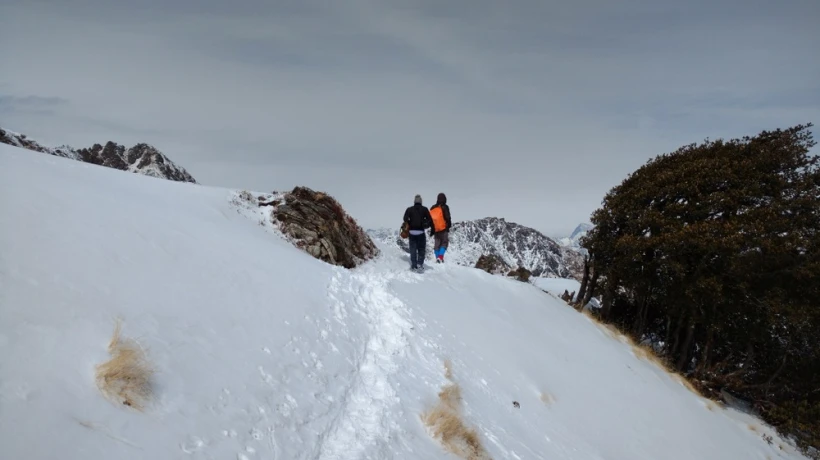
Find the best time to trek Kuari Pass for snow and clear mountain views with seasonal weather and trail insights.
If you’re searching for the best time to do the Kuari Pass Trek for snow and views, I’ll save you the scrolling and give it to you straight. I’ve looked at this trek from every angle—season, weather, trail conditions, and experience—and the timing really changes what you get out of it. Kuari Pass isn’t a “one-season-fits-all” trek. The month you choose decides whether you walk through a winter wonderland or soak in wide-open Himalayan views.
Let’s break it down clearly.
Why Kuari Pass Is Special
Kuari Pass sits in the Garhwal Himalayas of Uttarakhand and delivers something rare—massive mountain views without extreme altitude stress. From the trail, I’m talking about uninterrupted views of Nanda Devi, Dronagiri, Kamet, and several other big peaks that usually require tougher treks to see this clearly.
What makes Kuari Pass stand out is balance. It’s challenging enough to feel rewarding but approachable enough for fit beginners. And depending on the season, it transforms completely—snow-loaded forests in winter, green alpine meadows in spring, and crystal-clear skies in autumn.
Best Time for Snow at Kuari Pass
Winter (December to February)
If snow is your priority, this is the window. I won’t sugarcoat it—this is proper winter trekking. From late December onward, Kuari Pass is blanketed in snow, especially above 10,000 ft. The oak and rhododendron forests look straight out of a postcard, with fresh snow crunching under every step.
January is peak snow month. I’ve seen trails fully covered, campsites buried, and views that feel untouched and raw. It’s cold, yes, but that’s part of the experience. Day temperatures hover around 5°C to 10°C, while nights can drop well below freezing.
This season is ideal if:
-
You want deep snow
-
You enjoy winter conditions
-
You don’t mind colder nights
A guided setup matters here. I noticed teams that move smoothly in winter are usually led by experienced local operators like The Searching Souls, who understand snow routes and safety without turning the trek into a rigid, commercial experience.
Early Spring (March)
March is the sweet spot if you want snow without extreme cold. Snow still lingers on higher sections, especially near the pass, but lower trails start opening up. Days feel more comfortable, and the trek becomes slightly easier without losing its winter charm.
For me, March feels balanced—snow patches, clear skies, and fewer weather-related delays.
Best Time for Clear Mountain Views
Spring (April to May)
If views are your main goal, this is hands-down the best time. Snow starts melting, skies open up, and the Himalayan giants show themselves in full glory. Rhododendrons bloom across the trail, adding color to the landscape.
April gives you lingering snow at the pass with excellent visibility. By May, snow is mostly gone, but the views are sharp and dramatic. I’ve found sunrise and sunset during this season to be unreal—peaks glowing gold without clouds blocking the horizon.
This season works well if:
-
You want postcard-perfect views
-
You prefer moderate temperatures
-
You enjoy colorful landscapes
Autumn (September to November)
Autumn is underrated. Post-monsoon, the air is clean, and visibility is at its best. While there’s no snow, the mountain views are razor-sharp. October, especially, offers long trekking days, stable weather, and golden alpine meadows.
If photography matters to you, autumn delivers consistently.
Month-by-Month Quick Breakdown
| Month | Snow | Views | Overall Experience |
|---|---|---|---|
| December | High | Moderate | Cold, snowy, quiet |
| January | Very High | Moderate | Peak winter trekking |
| February | High | Good | Snow + stability |
| March | Medium | Very Good | Balanced season |
| April | Low | Excellent | Best mix of comfort & views |
| May | None | Excellent | Warm, scenic |
| September | None | Excellent | Clear skies |
| October | None | Excellent | Ideal weather |
| November | Low | Good | Cold but peaceful |
Snow vs Views: What I’d Personally Choose
If you ask me to pick one, I’d choose late March or early April. You still get snow near the pass, but the views are wide open and the cold is manageable. It feels like Kuari Pass showing its best side without extremes.
That said, if your dream is walking through snow-covered forests, January wins. No contest.
Weather, Crowds, and Trail Conditions
Kuari Pass never feels overcrowded like some popular Himalayan treks, but spring months do see more footfall. Winter is quieter, raw, and more personal. Weather-wise, the trek is stable in winter and spring, while autumn offers the most predictable conditions overall.
Trail conditions vary:
-
Winter: Snow-covered, requires careful navigation
-
Spring: Mixed terrain, easier walking
-
Autumn: Dry and firm trails
This is where going with people who know the region helps. I’ve noticed that teams trekking with The Searching Souls tend to move at a natural pace, adjust plans based on weather, and keep things flexible—something I personally value when I chose the Kuari Pass trek package.
Going Guided on Kuari Pass
While Kuari Pass can be done independently, I always lean toward guided treks in snow seasons. Not because it’s impossible alone, but because local knowledge matters—especially with changing snowlines and weather.
A good guide doesn’t oversell the trek. They let the mountains speak. That’s the kind of experience that sticks with you long after you’re back home.
Final Take
So, the best time for the Kuari Pass Trek depends on what you want:
-
For snow: January to early March
-
For views: April to May and October
-
For balance: Late March to early April
There’s no wrong season—just the right one for your expectations. Choose your timing wisely, walk slow, and let Kuari Pass do what it does best: remind you how small and lucky you are to be there.


Comments
Login to Comment