Key Features of a Lithium 120ah Battery Power Solution
31 Mar, 2026
3535 Views 0 Like(s)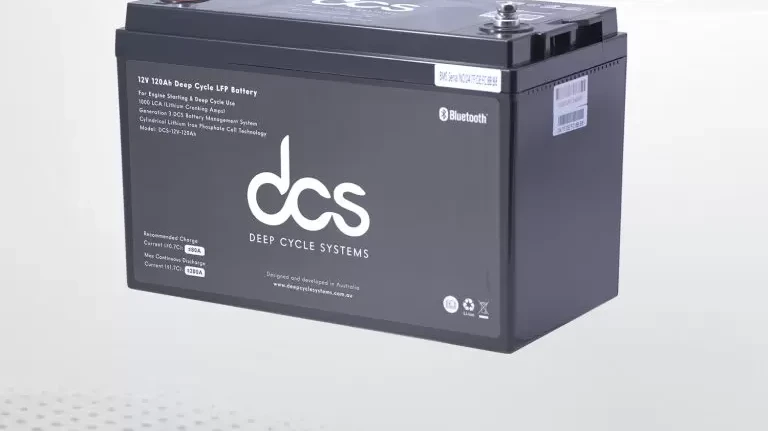
Explore the key features of lithium 120ah battery, offering long-lasting power, efficiency, and reliability for solar, RV, and backup systems.
Key Features of a Lithium 120ah Battery Power Solution
A lithium 120ah battery has become integral to energy storage solutions, offering a combination of high capacity and advanced efficiency. Their ability to store and deliver significant amounts of power makes them suitable for diverse applications, including renewable energy systems and portable power sources. With a capacity rating of 120 ampere-hours, these batteries are engineered to provide consistent performance over extended periods. Their lightweight design and compact structure enhance usability, allowing for versatile deployment in both residential and commercial contexts. The reliance on lithium technology further ensures improved energy density, reduced self-discharge rates, and extended operational life, positioning these batteries as a highly efficient option in meeting modern energy demands.
Understanding the Capacity of a 120Ah Battery
Ampere-hours (Ah) signify the measure of electric charge a battery can deliver at a specific current over time. A 120Ah battery is designed to provide 120 amperes of current for one hour or distribute lower currents over extended durations, such as 12 amperes for ten hours. This capacity enables it to support various devices and systems that require steady and reliable power.
The practical applications of a 120 Ah lithium battery extend to powering essential appliances, tools, and equipment for prolonged periods. Such batteries are particularly useful in scenarios requiring dependable energy storage, including off-grid installations, mobile power units, and backup systems, where consistent performance is critical to maintaining uninterrupted operation.
Advantages of Lithium Batteries
Lithium batteries are recognised for their superior energy efficiency, allowing for reduced power loss during charge and discharge cycles. Their high energy density enables compact designs, making them suitable for applications where space and weight are critical considerations. Unlike traditional battery types, lithium batteries maintain consistent voltage levels throughout usage, ensuring stable performance. They also benefit from a longer operational lifespan, capable of enduring numerous charge cycles without significant degradation.
The lightweight construction simplifies handling and installation, while their minimal maintenance requirements contribute to their practicality. These batteries also demonstrate lower self-discharge rates, ensuring retained charge over longer periods. Collectively, these features highlight the technological advancements that make lithium batteries an effective and reliable energy storage solution.
Comparing 120 Ah Lithium to Other Battery Types
Lithium batteries with a 120Ah capacity exhibit distinct advantages when contrasted with other battery technologies. Their higher energy density allows for compact and lightweight designs, which are beneficial in applications where space and portability are essential. Unlike some traditional options, lithium batteries deliver consistent voltage during discharge, ensuring stable power delivery throughout their usage. They also exhibit faster recharge times, enhancing efficiency in scenarios that demand minimal downtime.
Furthermore, the absence of memory effect in lithium batteries ensures optimal performance without the need for complete discharge cycles. These features, combined with their extended lifespan and reduced maintenance requirements, position 120 Ah Lithium batteries as a technologically advanced and practical choice for various energy storage needs.
Safety Features of Lithium 120Ah Batteries
Lithium 120Ah batteries incorporate advanced safety mechanisms to ensure secure and reliable operation. These systems include protection against overcharging, over-discharging, and short circuits, all of which can potentially damage the battery or connected devices.
Many models feature built-in Battery Management Systems (BMS) that actively monitor parameters such as voltage, current, and temperature, preventing conditions that could compromise safety. Thermal stability is another critical factor, with lithium batteries designed to withstand a wide range of operating temperatures without risk of overheating.
Additionally, the materials used in lithium batteries are less prone to leakage or spillage compared to some traditional battery types, further enhancing safety in both residential and commercial applications where dependability is essential.
Charging 120 Ah Lithium Batteries
Charging a 120 Ah Lithium battery involves utilising equipment designed to accommodate lithium technology, ensuring compatibility and efficiency. Voltage and current specifications must align with the battery's requirements to prevent overcharging or damage. Maintaining a consistent charging temperature within the recommended range is vital for safety and to preserve battery integrity.
Avoiding conditions such as excessive heat or exposure to moisture is critical during the process. Ensuring the use of chargers with features like automatic cut-off functions can help optimise charging cycles. Partial discharges, followed by recharging, are generally preferable to complete discharges, as this approach supports battery longevity. Regular inspection of charging equipment and cables can further enhance safety and operational effectiveness throughout the charging process.
Maintenance Tips for 120 Ah Lithium Batteries
Regular inspection of 120 Ah Lithium batteries is vital to detect any physical damage, such as cracks or deformities, which could compromise functionality. Maintaining a stable environment, free from excessive humidity and extreme temperatures, ensures optimal performance. Keeping the terminals clean and free from debris helps maintain efficient electrical connections, reducing the risk of energy loss. Avoiding complete discharge cycles and adhering to partial discharge practices support the battery's longevity.
Proper storage, with the battery partially charged, is recommended when it is not in use for extended periods—utilising a compatible charger designed for lithium technology further aids in preserving the battery's operational life. Implementing these measures ensures reliable performance and prolongs the usability of the battery over time.
Environmental Impact of Lithium Batteries
Lithium batteries contribute to environmental advancements by supporting the transition to cleaner energy systems and reducing dependence on non-renewable resources. Their extended lifespan decreases the frequency of replacements, leading to less waste generation compared to traditional battery types. Recycling processes for lithium batteries enable the recovery of valuable materials, minimising the demand for new raw resources and reducing environmental strain.
Additionally, the high energy efficiency of these batteries aids in lowering overall energy consumption. By facilitating the integration of renewable energy sources, such as solar and wind power, lithium batteries play a significant role in reducing carbon emissions. Proper disposal and adherence to recycling protocols are essential to further limit their environmental impact, ensuring sustainable usage practices.
Cost Considerations for 120 Ah Lithium Batteries
The cost of a 120 Ah Lithium battery is influenced by various factors, including its advanced technology, capacity, and durability. Although the initial price may appear higher compared to traditional batteries, its long operational lifespan and efficiency often result in reduced overall expenditure. Lithium batteries require minimal maintenance and are less prone to frequent replacements, offering long-term economic benefits.
Their ability to deliver reliable and consistent performance over numerous charge cycles further enhances their value. Market conditions and specific battery features, such as built-in management systems, can also impact pricing. When evaluating energy storage solutions, considering both upfront costs and long-term savings is crucial, particularly for applications requiring dependable and efficient power supply over extended periods.
Common Applications for 120ah Lithium Batteries
120ah lithium batteries are widely utilised across various domains due to their reliability and efficiency. In renewable energy systems, they are integral to storing energy generated by solar panels or wind turbines, ensuring continuous power availability. Their compact and lightweight nature makes them particularly suitable for automotive and marine applications, where space and weight constraints are critical. These batteries are also deployed in portable power systems, supporting mobile operations in remote or off-grid locations.
Furthermore, they play a significant role in emergency power setups, providing dependable backup during outages to maintain the functionality of essential devices and systems. Their versatility and performance make them an indispensable component in numerous energy storage and power supply scenarios.
Technological Developments in Lithium Batteries
Ongoing advancements in lithium battery technology are paving the way for enhanced energy storage solutions. Research efforts have led to improvements in energy density, enabling batteries to deliver higher capacities without increasing size or weight. Innovations in thermal management systems are improving operational safety and efficiency by mitigating risks associated with overheating. Fast-charging capabilities have also seen significant progress, reducing downtime and supporting time-sensitive applications.
Additionally, developments in recycling technologies aim to make lithium battery production more sustainable by reclaiming valuable materials and reducing waste. Integration of smart monitoring systems has further enhanced performance, allowing for real-time tracking of battery health and usage parameters. These technological strides continue to expand the potential applications of lithium batteries across various industries.
Installation Tips for 120 Ah Lithium Batteries
Proper installation of a 120 Ah Lithium battery requires attention to detail to ensure both efficiency and safety. Batteries should be securely mounted in a stable and ventilated location to prevent overheating and allow proper airflow. Utilising insulated tools can reduce the risk of accidental short circuits during installation.
All electrical connections must be tightened securely to avoid loose terminals, which could disrupt performance. It is crucial to position the battery away from excessive heat sources or moisture to maintain its operational integrity. Additionally, ensuring that wiring and fuses are compatible with the battery's specifications supports reliable and safe functionality.
Understanding the Lifespan of 120 Ah Lithium Batteries
The lifespan of a 120 Ah Lithium battery is determined by factors such as charge cycle management, operational temperature, and storage conditions. Avoiding prolonged exposure to extreme temperatures and ensuring a stable environment can help sustain performance.
The use of suitable chargers and adherence to partial discharge practices contribute to longevity. Monitoring performance indicators, such as charging efficiency and capacity retention, provides valuable insights into the battery's condition. Consistent maintenance supports prolonged functionality and optimal energy delivery over time.
Conclusion
The adoption of lithium 120ah battery across Australia marks a significant milestone in portable and renewable energy independence. By combining a substantial power reserve with the inherent efficiency of lithium iron phosphate technology, these units provide a dependable foundation for 4WD touring, marine adventures, and off-grid solar setups. Their ability to maintain a steady voltage under load and endure thousands of charge cycles ensures a lower total cost of ownership compared to traditional lead-acid alternatives. Ultimately, a 120 Ah Lithium solution empowers users to manage their energy needs with greater reliability, reduced weight, and superior long-term performance in any environment.
Frequently Asked Questions
How does the usable capacity of a 120ah battery lithium compare to an AGM battery?
While both batteries might be rated at 120Ah, the practical energy you can extract is vastly different. An AGM battery should generally only be discharged to 50 per cent to prevent permanent cell damage, giving you roughly 60Ah of usable power. In contrast, a high-quality lithium 120ah battery can be safely discharged to 80 or 90 per cent, providing up to 108Ah of actual run time. This means a single 120 Ah Lithium unit can often replace two AGM batteries of the same rating, significantly reducing the physical footprint and weight in your caravan or boat setup.
What are the primary functions of the internal Battery Management System?
The Battery Management System, or BMS, acts as the sophisticated electronic brain of the unit, constantly monitoring the health of the individual lithium cells. It is responsible for balancing the voltage between cells during charging and providing vital protection against over-charging, short circuits, and excessive heat. For the Australian climate, the BMS is particularly important as it will disconnect the battery if it detects internal temperatures that could lead to thermal instability. This automated protection ensures the battery remains safe to operate and reaches its full potential lifespan without the need for manual intervention.
Is it necessary to buy a specific charger for a 120 Ah Lithium power solution?
Yes, using a dedicated lithium-compatible charger is essential to ensure the battery is charged safely and completely. Lithium batteries require a specific "Constant Current/Constant Voltage" charging profile that differs from the multi-stage profiles used for lead-acid or gel batteries. Standard chargers may have a desulfation mode or high-voltage pulses that can confuse or damage the internal BMS. A lithium-specific charger will provide the correct termination voltage, usually around 14.4 to 14.6 volts, ensuring the cells are perfectly balanced and the battery reaches its full 120Ah capacity every time you plug in.
Can a 120 Ah Lithium battery be used as a crank battery for starting an engine?
Most deep-cycle 120 Ah Lithium batteries are designed for "house" power—running lights, fridges, and electronics—rather than the massive, short-duration burst of current required to start an internal combustion engine. Attempting to use a standard deep-cycle lithium battery for cranking can cause the BMS to trip due to an over-current fault, potentially leaving you stranded. If you require a battery for starting purposes, you must look for a specific "Dual Purpose" or "Cranking" lithium model that is engineered to deliver high Cold Cranking Amps (CCA) while still offering the benefits of lithium technology.
What is the best way to store my 120 Ah Lithium battery during the off-season?
To maintain the long-term health of your battery when it is not in use for several months, you should store it in a cool, dry place away from direct sunlight. Unlike lead-acid batteries which should be stored fully charged, a 120 Ah Lithium battery is best kept at approximately 50 to 80 per cent state of charge. You should also ensure the battery is isolated from any small parasitic loads, such as clocks or monitors, by turning off the master switch. Checking the voltage every three to six months and giving it a top-up charge if it drops below 13 volts will ensure it is ready for your next Australian adventure.
|
Related Business Listings |



Comments
Login to Comment