Key Features of a Disposable Isolation Gown Explained
28 Mar, 2026
3771 Views 0 Like(s)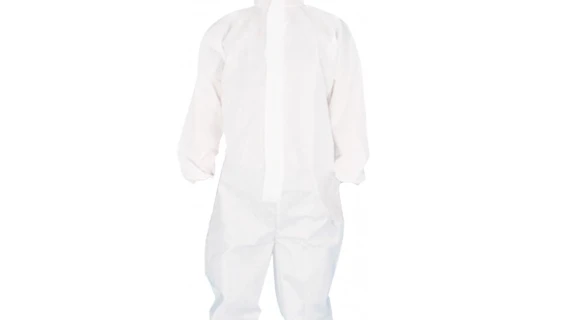
Discover the key features of disposable isolation gown, including protection levels, materials, and comfort for safe medical use.
Key Features of a Disposable Isolation Gown Explained
Isolation disposable gowns are essential garments designed to protect individuals in environments where exposure to infectious agents is a concern. These single-use gowns act as a barrier to minimise contact with contaminants such as blood, bodily fluids, and other potentially infectious materials. Commonly used in medical, laboratory, and other controlled settings, they help to maintain hygienic conditions and reduce the risk of cross-contamination. By offering full coverage of the body and clothing, an isolation gown contribute significantly to safeguarding health professionals and others working in high-risk environments. Strict protocols guide the use of these protective garments to ensure their effectiveness and reliability. With ongoing advancements in materials and design, their role in infection prevention continues to evolve, supporting global health and safety efforts in a wide range of professional applications.
Understanding the Functionality
Isolation disposable gowns play a pivotal role in creating a barrier that minimises exposure to potentially harmful contaminants. These gowns are carefully designed to limit the transfer of microorganisms by covering the body and clothing effectively. Their primary purpose is to reduce the risk of pathogens spreading through direct or indirect contact, particularly in environments where exposure to infectious materials such as fluids or secretions is prevalent.
By ensuring adequate coverage and acting as a shield, they help maintain safer working conditions in healthcare, laboratory, and related settings. The efficacy of these gowns is enhanced when used in conjunction with other personal protective equipment, forming part of a comprehensive infection control strategy. Their ability to provide reliable protection is essential in reducing cross-contamination risks in various high-risk environments.
Material Composition
Isolation disposable gowns are constructed using materials selected for their protective and functional properties. Common materials include polypropylene, polyethylene, and polyester, each offering unique advantages suited to specific needs. Polypropylene is widely utilised due to its lightweight structure and breathability, which help maintain comfort during prolonged use. Polyethylene is known for its excellent fluid resistance, making it a preferred choice in environments with frequent exposure to liquids. Polyester provides durability and resistance to wear and tear, ensuring reliability during demanding tasks.
The selection of material not only determines the gown's level of protection but also influences other factors such as flexibility and comfort. Manufacturers carefully choose materials based on the intended application, balancing protection with ease of use. Advancements in fabric technology continue to improve the functionality and performance of these essential protective garments.
Design Features
The design of isolation disposable gowns incorporates elements that prioritise both functionality and protection. Long sleeves with elasticated cuffs ensure that the wrists are securely covered, preventing exposure to potentially harmful substances. Full back coverage is a critical feature, offering comprehensive protection against contaminants from multiple angles. Adjustable ties at the waist and neck provide a customised and secure fit, reducing the risk of gaps that could compromise safety.
Some designs also include reinforced areas for additional durability in high-stress zones, catering to specific needs in demanding environments. The emphasis on ergonomic design ensures ease of movement, allowing wearers to perform tasks efficiently without restriction. Different sizes are typically available to accommodate a variety of body types, ensuring that the gowns provide effective coverage for all users while maintaining comfort and reliability during extended periods of use.
Usage Guidelines
Proper application of isolation disposable gowns involves adherence to established procedures to maintain their effectiveness. The gown should be donned in a manner that ensures full coverage of the torso, arms, and clothing, minimising any exposed areas. Secure fastening at the neck and waist is crucial to prevent displacement during use. Removal requires meticulous attention to avoid contact with the potentially contaminated outer surface.
The gown is typically rolled inside out during disposal to contain any contaminants. Immediate disposal in designated waste containers helps to prevent the spread of infectious materials. Usage is often dictated by institutional protocols, which may specify requirements based on the level of risk present in a particular environment. Adhering to these guidelines ensures that the gowns function as intended, providing reliable protection in clinical, laboratory, or other professional settings.
Importance of Infection Control
Isolation disposable gowns serve as a critical component in reducing the transmission of infectious agents within healthcare and other high-risk environments. These gowns are specifically designed to act as a barrier, limiting direct or indirect contact with potentially harmful pathogens. By providing full coverage and effectively containing contaminants, they play a vital role in protecting healthcare personnel, laboratory staff, and patients from exposure to infectious materials.
Their application is particularly significant during outbreaks, where the need to prevent cross-contamination is heightened. When incorporated into broader infection control measures, such as hand hygiene and the use of additional personal protective equipment, these gowns contribute to creating a safer and more controlled environment. The design and material of these garments are specifically tailored to meet infection control protocols, ensuring their reliability in various professional settings.
Environmental Considerations for Using Isolation Gown
The environmental impact of disposable isolation gown has become a significant point of consideration in the healthcare sector. Their single-use design, while critical for infection prevention, contributes to substantial medical waste, especially in settings with high usage rates. Advances in materials science have introduced biodegradable alternatives, aiming to reduce long-term environmental consequences. Research into recyclable components and reusable gown systems is also ongoing, focusing on maintaining protection levels while minimising ecological effects.
Manufacturing processes are being refined to adopt more sustainable practices, such as reducing energy consumption and utilising eco-friendly raw materials. Regulatory bodies and industry leaders are increasingly exploring strategies to balance the essential protective function of these gowns with environmental responsibility. Awareness of the ecological footprint associated with these garments continues to drive innovation towards creating more sustainable solutions in the field of infection control.
Cost and Availability
The cost and availability of isolation disposable gowns are influenced by factors such as production methods, raw material sourcing, and distribution efficiency. Variations in gown types, including those designed for different levels of protection, can also impact pricing. Seasonal demand or healthcare emergencies may lead to fluctuations in supply and costs, affecting procurement strategies in professional settings.
Bulk purchasing is often employed to manage expenses and ensure consistent availability. International manufacturing and shipping considerations further play a role, with logistical challenges occasionally influencing stock levels. Ongoing improvements in manufacturing processes aim to balance affordability with quality, ensuring that these essential garments remain accessible to facilities requiring consistent use for infection prevention in various professional environments.
Standards and Regulations
Isolation disposable gowns are required to meet stringent safety and performance standards to ensure their protective effectiveness in professional settings. Regulatory frameworks define criteria such as fluid resistance, tensile strength, and seam integrity, which manufacturers must adhere to during production. Certification processes verify that gowns meet these established requirements, assuring their reliability in reducing exposure to contaminants.
Standards are periodically updated to incorporate new findings and innovations in material technology, reflecting the evolving needs of healthcare and other high-risk industries. These guidelines not only help maintain consistent product quality but also support best practices in infection prevention. Compliance with regulations ensures that isolation disposable gowns perform effectively under varied conditions, safeguarding those relying on their use.
Training and Education
Training in the correct handling of isolation disposable gowns is a key aspect of ensuring their effective use in infection control. Educational programmes typically focus on the appropriate methods for putting on and removing gowns, emphasising techniques that minimise the risk of contamination. These sessions often highlight the importance of following established protocols to maintain safety and optimise the protective function of the gowns.
Training may also cover the selection of gowns based on specific workplace risks, ensuring suitability for various tasks. Resources such as visual guides, hands-on demonstrations, and periodic refresher sessions are commonly utilised to reinforce understanding and compliance. Structured education helps professionals maintain high standards of practice in environments where protective measures are crucial.
Technological Advancements
Technological advancements in isolation disposable gowns have introduced features that enhance both functionality and protection. Innovations in material science, such as advanced fluid-repellent fabrics, have improved their ability to resist contamination while maintaining breathability for user comfort. The incorporation of lightweight yet durable materials ensures greater ease of movement without compromising safety.
Antimicrobial finishes have been developed to inhibit the growth of microorganisms on the gown's surface, further contributing to infection prevention efforts. Research is also exploring the integration of cutting-edge technologies, such as sensors capable of monitoring gown integrity or exposure to hazardous substances. These developments reflect the ongoing commitment to improving the effectiveness and reliability of these essential protective garments in various professional environments.
Case Studies and Research
Studies have demonstrated the effectiveness of isolation disposable gowns in mitigating the transmission of infectious agents, particularly in high-risk settings. Research highlights their contribution to reducing healthcare-associated infections when incorporated into comprehensive protective protocols.
Case studies conducted during outbreaks have underscored the significance of their proper use in limiting contamination and safeguarding health professionals. Ongoing scientific investigations continue to explore innovative materials and designs, aiming to enhance the performance and efficiency of these protective garments.
Conclusion
In conclusion, isolation gowns remain a fundamental pillar of infection control within the Australian healthcare and laboratory sectors in 2026. By providing a reliable, single-use barrier against fluid penetration and microbial transfer, these garments ensure the safety of frontline professionals in high-risk environments. The evolution of material science, incorporating breathable polypropylene and reinforced laminates, has significantly enhanced user comfort without compromising structural integrity. When utilised according to strict institutional protocols, these gowns effectively break the chain of cross-contamination, supporting a robust public health strategy that prioritises both practitioner protection and patient safety across the diverse clinical landscapes of Australia.
Frequently Asked Questions
What is the primary difference between a standard isolation gown and a surgical gown?
The distinction lies primarily in the intended use and the specific zones of protection. Isolation gowns are designed to protect the wearer's torso and clothing from the spread of infectious agents during routine patient care or laboratory procedures. They typically provide 360-degree coverage but may have lower fluid resistance in non-critical areas. Surgical gowns, however, are specifically engineered for sterile environments like operating theatres. They feature reinforced "critical zones," such as the front of the gown and the sleeves from the cuff to the elbow, where the risk of exposure to blood and bodily fluids is highest. In Australia, both types must comply with stringent performance standards to ensure appropriate barrier protection.
How are the different levels of fluid resistance classified for disposable gowns?
In the Australian medical industry, gown performance is often benchmarked against international standards that categorise protection into four distinct levels. Level 1 gowns offer minimal fluid resistance, suitable for basic care or standard isolation. Level 2 gowns provide a low-to-moderate barrier, effective for procedures with a small risk of fluid exposure. Level 3 gowns are designed for moderate-risk scenarios, such as arterial blood draws or emergency room tasks. Finally, Level 4 gowns provide the highest level of protection, acting as a total viral and fluid barrier for high-risk surgical or infectious disease environments. Selecting the correct level is essential for matching the protective garment to the specific clinical risk.
Why is the "inside-out" rolling technique used during the disposal of a gown?
The "inside-out" rolling technique is a critical safety protocol designed to contain potential pathogens and prevent the wearer from touching the contaminated outer surface of the gown. When a health professional removes the gown, they peel it away from their body so that the "dirty" exterior is folded into the "clean" interior. By rolling it into a compact bundle with the contaminated side tucked away, the risk of aerosolising microorganisms or accidentally brushing against other surfaces is greatly reduced. This method ensures that the infectious materials are securely trapped within the material before being discarded into the appropriate clinical waste bin.
Can isolation disposable gowns be recycled to reduce their environmental impact?
While traditional disposable gowns made from mixed synthetic fibres are difficult to recycle due to biohazardous contamination, the Australian healthcare sector is moving towards more sustainable waste management. Some facilities participate in specialised recycling programmes where non-contaminated gowns are shredded and processed into industrial materials. Furthermore, research into biodegradable polypropylene and bio-based plastics is gaining momentum, offering a pathway to reduce the long-term ecological footprint of single-use items. However, any gown that has been exposed to infectious fluids must still be treated as clinical waste and incinerated or chemically neutralised to maintain strict public safety standards.
What are the key features to look for to ensure a gown fits securely?
A secure fit is essential to prevent "gapping," which could expose the wearer to contaminants. Key features include long sleeves with elasticated or knitted cuffs that create a tight seal around the wrists, preventing fluids from running down the arms. Adjustable ties at both the neck and the waist allow the wearer to pull the gown close to the body, ensuring the back is fully covered. Additionally, the length of the gown should be sufficient to cover the knees when standing. In high-risk Australian settings, thumb-loop designs are also popular, as they prevent the sleeves from sliding up when donning gloves or performing reaching movements.
|
Related Business Listings |



Comments
Login to Comment