Key Components That Make Up a Card Access Control System
30 May, 2026
1556 Views 0 Like(s)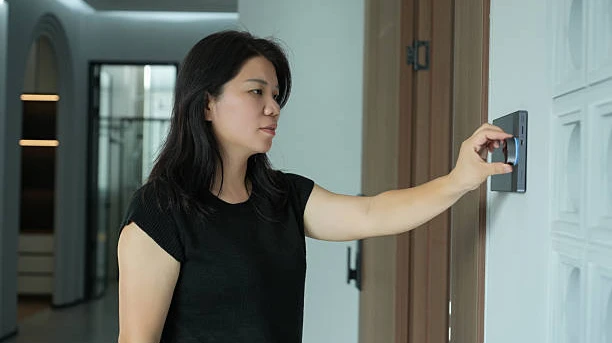
A card access system in Singapore uses several key parts to work well. Each piece has its own job. They all join together to form a strong shield.
Many buildings today use a special way to let people in. You might swipe a card or hold it near a box on the wall. That small action is part of a bigger setup. This setup works hard to keep places safe. We will look at the main pieces that build this system. In a busy city like Singapore, these systems guard offices, car parks, and storage rooms.
A card access system in Singapore uses several key parts to work well. Each piece has its own job. They all join together to form a strong shield. Without one part, the rest cannot do their job. This guide will walk you through each component. You will see how they connect and share information. No hard words, just clear facts.
The Main Components of a Card Access Control System
Every card access setup needs eight key parts to work correctly. You have the brain that makes choices, the reader that scans your card, and the lock that holds the door. Then there is your card, a button to get out, a power supply, some wires, and software to run it all. These basic components of card access system each do their own job, and together
1. Central Controller
This part acts as the brain. It processes all requests to open a door. When you swipe your card, this unit decides yes or no. It stores a list of approved cards and keeps a log of every entry. The controller sits in a secure spot, away from public view.
The brain talks to the card reader. It checks its list. If the name matches, it tells the lock to open. This happens in less than a second. The controller also connects to a computer for setup. An admin can add or remove cards from here.
2. Card Reader
The Card Reader unit is the part you touch or wave your card near. It captures your card's secret number and sends it to the brain. The reader sits on the outside of a door. Some readers need a tap, while others require a swipe.
The reader does not make a choice itself. It only passes along information. Think of it as a messenger. It takes your request and hands it to the controller. The reader flashes a light or beeps to show it got your card.
3. Locking Device
This piece physically blocks or opens the door. It gets a signal from the controller. Many systems use an electric strike or a magnetic lock. A magnetic lock uses a strong magnet to hold the door shut. Cut the power, and the door frees up.
The locking device must be forceful. It also fails in a safe way during a fire. That means the door will open if the power goes out. The lock works with the controller every single time. No lock, no real security.
4. Credential
You carry this part with you. It holds a unique number that the system knows. The credential can be a thin card, a key fob, or a sticker. The reader pulls this code from the card when they get close.
The most common type works without a touch. Just bring it near the reader, and it wakes up. An access control system in Singapore often uses these hands-free cards. Lose your card, and the admin can remove it from the list right away.
5. Request-to-Exit Device
This part lets people leave without a card. It sits on the inside of the door. You push a button or wave your hand near it. The device tells the controller to release the lock. This stops people from getting stuck inside.
The exit device also works with fire alarms. If a fire starts, the system overrides the lock. Some exit devices are motion sensors. No button to push, just walk out.
6. Power Supply
All these pieces need electricity to run. The power supply takes building power and changes it. It gives the right amount of juice to each part. The power supply stores backup energy, too. If the main power cuts, the system keeps working.
A reliable power supply protects against surges. It stops a lightning strike from frying the brain. The power supply sits near the controller. Without this piece, nothing works at all.
7. Wires and Cables
These are the roads that carry information. Wires connect the reader to the brain. Other wires link the brain to the lock. The wires must be hidden so nobody cuts them.
Good wiring stops interference from other machines. A bad wire can make the reader slow. Installers run wires through ceilings and walls. That keeps the system tidy and safe.
8. Software and Management Tools
The brain needs a way for people to run it. Software gives you that control. You sit at a computer and see who entered. You add new cards or remove lost ones. You can also set time rules.
This software logs every event. Some systems send a message if a door stays open too long. Others let you unlock a door from your phone. A card access system in Singapore often uses cloud software. That means you can check the system from any web browser.
Why These Components Matter
A strong setup keeps unwanted visitors out. It also gives a record of every entry. The system stops people from sharing keys. Each card belongs to one person. Lose it, and that card stops working right away.
In a busy place like Singapore, many offices use these parts. They keep data rooms, labs, and stock areas safe. You just tap your card and walk in. But behind that tap, a lot is happening. The brain checks, the lock pops, and the software writes a note.
Final Thoughts
You now know the main pieces of a card system. The brain makes the choice. The reader grabs your card number. The lock can either hold the door closed or allow it to open. Your card holds your unique code. Power and wires tie everything together. Software gives you command over the whole setup.
Leave one part out, and the chain breaks. A skilled installer checks every piece before finishing. That is a complete component of the card access system. It works all day, every day, to guard your space.
FAQs
How does a card reader send information to the controller?
The reader converts your card's unique number into an electrical signal. That signal travels along a wire straight to the controller, which then checks its list for a match.
What happens if the power goes out?
A backup battery inside the power supply keeps everything running for hours. Most locks also release automatically during a total failure, so people can exit safely.
Can I use my phone instead of a card?
Yes, many modern systems let you use a phone app. The phone sends a secret code through Bluetooth or Wi-Fi, similar to how a card shares its number with the reader.
How often should I change the controller's battery?
Most systems use sealed batteries that last three to five years. A warning message will show up in the software when the battery needs a swap.


Comments
Login to Comment