Jewelry Appraisal: What Factors Impact Your Jewelry’s Value
29 Jul, 2026
846 Views 0 Like(s)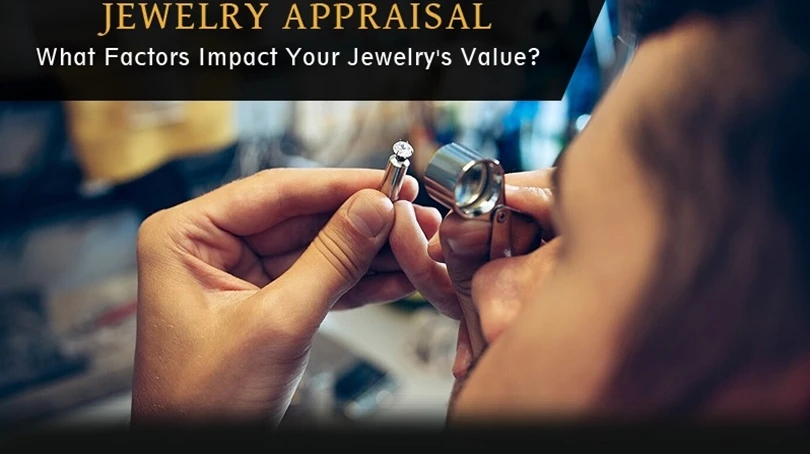
If you’ve ever had a piece of jewelry appraisal done, you know the process feels a little mysterious as someone peers at your ring through a loupe for two minutes and hands you a number. But there’s a real method behind it. Listed below are a few things that are examined before assigning a price to your asset.
If you’ve ever had a piece of jewelry appraisal done, you know the process feels a little mysterious as someone peers at your ring through a loupe for two minutes and hands you a number. But there’s a real method behind it. Listed below are a few things that are examined before assigning a price to your asset.
Condition comes first, and it’s probably the most intuitive one. Appraisers check for wear, obvious damage, and whether the piece has been repaired at some point. They also want to know if it’s still got its original stones, settings, and clasps, as swapped-out parts usually mean a lower valuation, even if the repair work was done well.
Then there’s the most important one: diamonds and gemstones. This is where the 4Cs come into play, which are carat, cut, color, and clarity, plus what kind of gemstone you’re dealing with, its size, and how good the quality actually is (things like saturation and whether there are visible flaws). Honestly, this category alone can swing a valuation dramatically.
When you go for jewelry appraisal services, precious metals matter more than people expect too. Weight is part of it, but purity is arguably bigger, which means an 18K piece and a 24K piece aren’t priced the same way. Gold and platinum sit at the top of the value chain, while silver, though still worth something, doesn’t come close to commanding the same price.
Age throws in another wrinkle. Vintage and antique pieces can actually gain value over time, as that patina people sometimes worry looks “old” is often exactly what collectors want. The era a piece comes from, the design trends it reflects, and its ownership history all feed into its value.
Rarity is its own thing too. A one-of-a-kind design, a limited run, or an unusual gemstone tends to pull in more demand, and demand drives prices up pretty predictably.
Last in the jewelry appraisal is brand and craftsmanship, which means how carefully something was made, whether there’s a recognizable designer behind it, how durable it is, and how much attention went into the small details. A cleanly executed, intricate piece just holds its value better over time than something mass-produced.
Put together, it’s a pretty thorough process where the condition, materials, age, rarity, and craftsmanship all come up as factors. If you need an appraisal for insurance or resale, it’s worth going through the infographic attached, and you will have a fair idea about the entire process and everything related.

Summary:


Comments
Login to Comment