Is there downtime after a hair transplant?
16 Oct, 2026
20 Views 0 Like(s)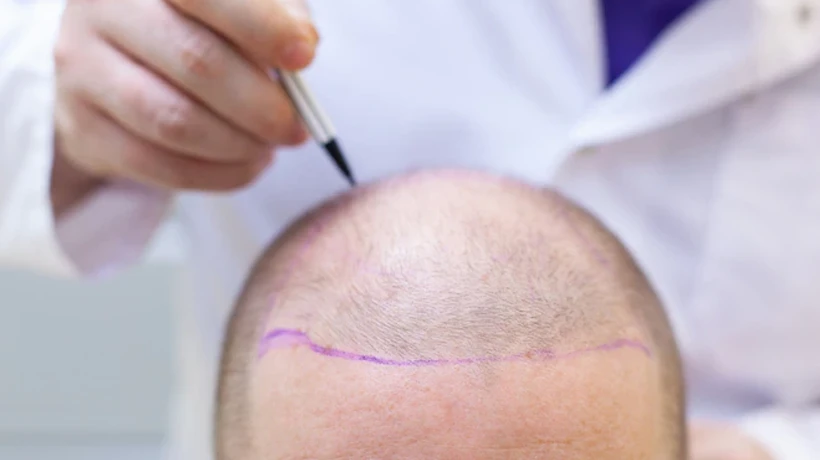
Learn about hair transplant downtime, recovery stages, healing tips, and when you can safely return to work, exercise, and daily activities.
Yes, there is some downtime after a hair transplant, although most patients can gradually return to their regular activities within a few days. The scalp needs time to heal after the procedure, and temporary redness, swelling, tenderness, and small scabs are common during the initial recovery period. People considering زراعة الشعر في دبي should understand the expected recovery timeline to plan their work, exercise, and daily routines. The amount of downtime varies depending on the surgical technique, the number of grafts transplanted, individual healing, and adherence to postoperative instructions.
How Much Downtime Is Needed After a Hair Transplant?
Most patients need approximately 7–14 days for the initial scalp healing process, although visible redness or sensitivity may persist longer. Many people with desk-based jobs can return to work within a few days if they feel comfortable and their surgeon agrees.
However, returning to work does not mean the scalp has completely healed. The transplanted follicles remain delicate during the early recovery period, so patients should avoid activities that could disturb the grafts.
The surgeon will provide personalized instructions based on the procedure and the patient's recovery.
What Happens During Hair Transplant Recovery?
First 24–48 Hours:
During the first two days, the scalp may feel tender or tight. Mild swelling can develop around the forehead, and small amounts of bleeding or fluid may occur shortly after surgery.
Patients should protect the transplanted area, sleep according to their surgeon's instructions, and avoid rubbing or scratching the scalp.
Days 3–7:
Small scabs usually form around the transplanted follicles. Mild itching, redness, and swelling may continue but should generally begin to improve.
During this stage, patients should:
-
Follow the recommended scalp-washing routine.
-
Avoid picking scabs or touching grafts unnecessarily.
-
Keep the scalp protected from direct sunlight.
-
Avoid strenuous exercise unless cleared by the surgeon.
-
Take medication only as directed by their healthcare professional.
Days 7–14:
Many patients notice that scabs gradually fall away naturally during the second week. Redness and sensitivity often decrease, although healing differs from person to person.
Patients should not forcibly remove remaining scabs or resume vigorous hair washing before receiving appropriate guidance.
Weeks 2–4:
The scalp continues to settle, and many people can resume more of their normal routines. Transplanted hair shafts may shed during this period, which is a common part of the hair-growth cycle and does not necessarily indicate that the follicles have been lost.
When Can You Return to Work?
The appropriate time depends on the type of work you do and how visible the recovery signs are.
-
Desk-based work: Some patients return within 2–5 days if they feel well.
-
Customer-facing work: Taking around 7–14 days off may be helpful if scabs or redness would cause concern.
-
Physically demanding work: A longer break may be necessary, particularly if the job involves heavy lifting, sweating, dust, or a risk of scalp injury.
These are general estimates rather than fixed rules. Your surgeon should confirm when it is safe to return to your specific job.
When Can You Exercise After a Hair Transplant?
Physical activity usually needs to be restricted temporarily because strenuous exercise can increase sweating, blood pressure, and the risk of accidental contact with the scalp.
Light walking may be permitted relatively early, depending on your surgeon's instructions. More intense exercise, heavy lifting, contact sports, and activities that expose the scalp to injury should be avoided until the surgical team confirms they are safe.
Follow the recovery plan provided by your surgeon rather than returning to exercise based only on how the scalp feels.
Does the Hair Transplant Technique Affect Downtime?
Yes. Different techniques involve different approaches to removing donor hair.
Follicular Unit Extraction (FUE):
FUE removes individual follicular units from the donor area. It typically leaves small extraction marks rather than one long linear scar. Initial healing often takes around 7–14 days, although redness or sensitivity can remain for longer.
Follicular Unit Transplantation (FUT):
FUT removes a narrow strip of scalp from the donor area, leaving a linear incision that requires careful healing. Some patients experience more tightness or discomfort around the donor area, depending on the procedure and individual healing.
Neither technique guarantees a completely scar-free recovery. Your surgeon can explain the expected downtime for the recommended method.
How Can You Reduce Unnecessary Downtime?
Although you cannot force the scalp to heal faster, following appropriate aftercare can help prevent avoidable problems.
-
Follow all postoperative instructions carefully.
-
Wash your scalp only as directed.
-
Avoid scratching, rubbing, or pressing on transplanted grafts.
-
Protect the scalp from excessive sunlight.
-
Avoid swimming and activities that could contaminate healing areas until cleared.
-
Do not smoke or use nicotine during recovery without discussing the risks with your surgeon.
-
Attend follow-up appointments as recommended.
Do not start or stop medication without advice from the healthcare professional managing your treatment.
Are There Symptoms to Watch For During Recovery?
Mild redness, swelling, tenderness, and scabbing are common after a hair transplant. However, contact your surgical team if you experience increasing pain, persistent bleeding, worsening swelling, spreading redness, pus, fever, or other signs of infection.
Prompt medical assessment can help identify complications and ensure appropriate care.
Frequently Asked Questions:
Can I go home immediately after a hair transplant?
Many patients can go home on the same day, provided the procedure and recovery are uncomplicated. Arrange transportation if medication or discomfort could affect your ability to travel safely.
Will people notice that I have had a hair transplant?
Scabs, redness, or temporary swelling may be visible during the first one to two weeks. The visibility depends on the procedure, hairstyle, skin response, and individual healing.
Does downtime mean I cannot work for two weeks?
No. Some people return to desk-based work after a few days. However, the scalp may still show signs of healing, and physically demanding jobs may require a longer break.
When can I expect to see new hair growth?
New growth may begin to appear after a few months. Many patients see substantial improvement around 9–12 months, while further changes can continue for longer.
Conclusion:
There is some downtime after a hair transplant, but many patients can resume light daily activities within a few days. Initial scalp healing generally takes around 7–14 days, while complete cosmetic recovery and visible hair growth take longer. Following professional aftercare instructions and avoiding strenuous activities until cleared can help protect the transplanted follicles. Anyone considering a hair transplant should discuss the expected downtime, work restrictions, and recovery plan with a qualified specialist before surgery.


Comments
Login to Comment