Is Solar Thermal Pool Heating Worth It? Cost, Savings, and ROI Explained
16 Jul, 2026
994 Views 0 Like(s)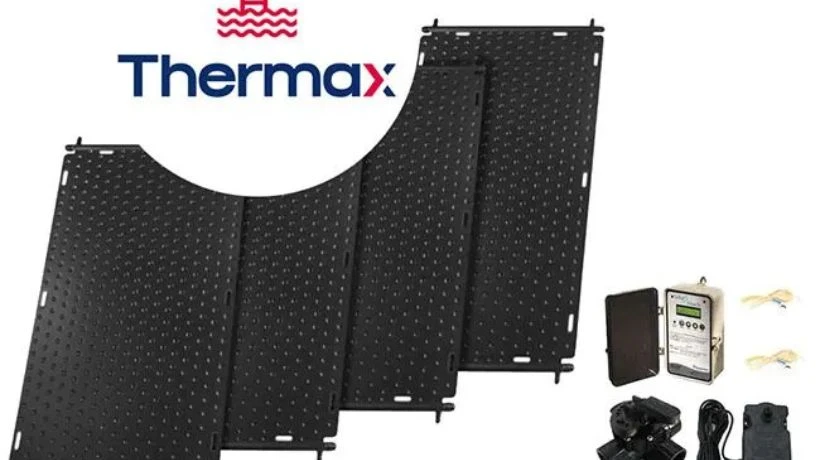
Discover whether solar thermal pool heating is worth the investment. Explore installation costs, energy savings, long-term ROI, and key benefits to decide if it’s the right solution for your pool.
Fed up with receiving your energy bill after heating your pool? Are you looking forward to enjoying the swim season longer but not emptying your pockets every month? Well then, it is high time that you looked at a different solution. The following guide will provide you with all that you require regarding solar thermal pool heating. From expenses to savings and the actual return on investment.
What Is Solar Thermal Pool Heating, and How Does It Work?
This system heats water using free energy from the sun rather than natural gas or electricity from the grid. Water from the pool passes through the solar paneling, either mounted on the roof facing south or ground-mounted, where it collects heat and goes back into the pool heated.
This usually includes a filter, your old pump, and a controller that is sensor-equipped. The controller will only direct water towards the roof when the solar collectors are heating up more than the pool. Ideally, you should have an equivalent collector area to fifty to one hundred percent of your pool’s area.
Key Parts That Influence Efficiency
Uncovered polypropylene collectors function excellently in warmer and milder climates, whereas covered collectors, which have glass panels, retain more heat in colder environments. Proper size, avoidance of shading, and correct chemistry contribute to the efficiency and longevity of collectors.
How Much Does Solar Pool Heating Cost?
The cost of installing a complete solar heating system on an average-sized pool in America in 2026 is estimated to be between $3,000 and $7,000. Above-ground pools, which are small in size, will be at the low end of the range, whereas in-ground pools, which have lengthy roof runs, will cost more. The installation costs cover collectors, mountings, control unit, valve, and labor. Kits for do-it-yourself installation are available for between $1,000 and $3,000 for materials only.
Factors That Change Installation Price
The size of the pool impacts the pricing most. Some other things that affect pricing are the type of roof, height, distance between the pump, and local labor costs. In case there is shade on the lot or the roof faces either west or east, then extra collectors are needed.
What Are the Real Annual Savings?
Once in place, the sunshine is free, and the only cost will be the electrical usage of the pump, which is about $0 to $120 per year. The annual cost of heating a pool with gas may range between $1,400 and $4,800, whereas an electric heater generally costs $1,000 to $3,000 annually.
According to the industry sources, solar energy has been found to cut down the cost of heating pools by 50 to 70 percent, or even 100 percent for seasonal pool heating. This means that you could save between $1,000 and $2,000 on fuel per season. In ten years, you could spend over $5,000 on fuel with gas, while using solar, you would spend less than $600.
Operating Cost Comparison
Gas heats up very fast but burns fuel continuously and needs maintenance for its burners regularly. Heat pumps that are electric use less energy than the gas one, but they still use much energy and have a compressor that might break down. On the other hand, solar energy does not have many moving parts, thus requiring little maintenance.
Final Verdict: Is It Worth It?
When planning to use the pool for more than three years, having enough sunlight and wanting regular costs, then solar thermal pool heating will be the best option. It is more expensive to buy at the start than a gas heater; however, the cost of operation is close to nothing, and it will last for many years. That is why it is among the best investments in 2026.
For a better understanding of the cost of investment and how to determine the correct size, SolarTubs will be an excellent source to go through prior to consultation.
Frequently Asked Questions
How Long Does It Take To Heat A Pool?
In most cases, this results in an increase in water temperature of between 5 and 10 degrees Fahrenheit in a few days of sunshine. This is entirely dependent on the amount of sunshine, the size of the collector, and the cover itself.
Can I Add Solar To An Existing Pool?
Yes. The solar heating system can easily be added to almost any ground-level or above-ground pool if there is enough sunshine within 100 feet of the pump.
Will It Work On Cloudy Days?
Yes, but there will be less power generation. Collectors will continue to absorb dispersed light and will benefit from an insulator at night to keep the heat inside.
How Long Do Collectors Last?
Good quality collectors usually have a lifespan of 15-20 years and even come with a 10-12 year warranty period and freeze protection.
Do I Still Need My Gas Heater?
You can just keep it as a backup system; however, many seasonal users do fine with solar alone.


Comments
Login to Comment