Is Rosacea Treatment permanent?
09 Oct, 2026
20 Views 0 Like(s)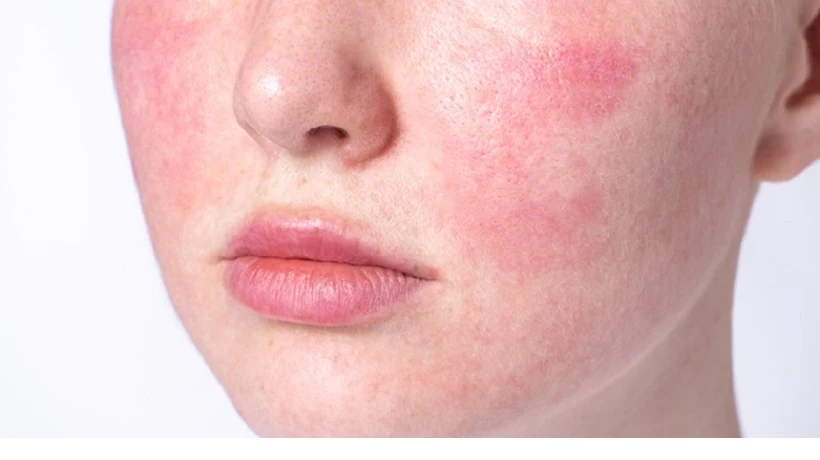
Learn whether rosacea treatment is permanent, how long results last, and which skincare habits and treatments help manage redness and prevent flare-ups.
Rosacea treatment is not usually permanent because rosacea is a chronic skin condition that can flare up even after symptoms improve. However, the right treatment can help control redness, reduce inflammatory bumps, and manage visible blood vessels for an extended period. If you are considering علاج الوردية في دبي, understanding how different treatments work and what results to expect can help you make informed decisions about long-term skin care.
Can Rosacea Be Cured Permanently?
Currently, there is no established permanent cure for rosacea. The condition can often be managed successfully with appropriate medical treatment, gentle skincare, sun protection, and trigger management.
Some people experience long periods with few symptoms, while others have recurring flare-ups. The outcome depends on the type of rosacea, symptom severity, individual triggers, and response to treatment.
It is important to distinguish between controlling rosacea and curing it. Treatment may reduce visible symptoms, but the underlying tendency to develop redness or inflammation can remain.
How Long Do Rosacea Treatment Results Last?
The duration of results depends on the treatment used and the symptoms being addressed.
Prescription Creams and Gels:
Topical medications such as azelaic acid, ivermectin, or metronidazole may help control inflammatory bumps and redness in suitable patients.
Improvements often take several weeks to become noticeable. Some people need ongoing treatment or a maintenance plan to keep symptoms under control. If treatment is stopped, symptoms may return, although this does not happen at the same rate for everyone.
Follow your dermatologist's instructions and avoid changing prescription treatment without discussing it with your healthcare professional.
Oral Medications:
Oral medication may be prescribed when rosacea causes more persistent or extensive inflammatory symptoms. Certain medications help reduce inflammation and may be used for a defined treatment period.
Symptoms can improve during treatment, but the results are not necessarily permanent. A dermatologist may recommend stopping, adjusting, or continuing treatment according to your response and the likelihood of recurrence.
Oral medication should only be used under appropriate medical supervision.
Laser and Light-Based Treatments:
Laser and intense pulsed light (IPL) treatments can reduce the appearance of visible blood vessels and persistent redness in selected patients.
Some improvements may last for months or longer, but results vary. New visible vessels or redness may develop over time, and maintenance sessions may be considered when appropriate.
These procedures do not cure rosacea or prevent every future flare-up. A qualified practitioner should explain the expected benefits, possible side effects, and suitability for your skin tone.
Skincare and Sun Protection:
A gentle skincare routine helps support the skin barrier and reduce irritation. Moisturizers can improve comfort, while daily sunscreen helps protect against ultraviolet exposure that may aggravate rosacea.
These habits need to be maintained consistently. They do not permanently eliminate rosacea, but they can support better symptom control and complement medical treatment.
What Causes Rosacea to Return After Treatment?
Rosacea can return because its underlying causes and triggers may persist even when the skin looks clearer. Several factors may contribute to recurring symptoms.
Sun exposure: Ultraviolet radiation can aggravate facial redness and inflammation.
Temperature changes: Hot weather, saunas, hot showers, and sudden temperature changes may trigger flushing.
Certain foods and drinks: Spicy foods, hot beverages, and alcohol may trigger symptoms in some individuals.
Stress and intense exercise: Emotional stress and overheating can contribute to flushing.
Irritating skincare products: Fragrances, harsh cleansers, strong exfoliants, and some active ingredients may worsen sensitivity.
Not everyone has the same triggers. Keeping a symptom diary can help you identify personal patterns without unnecessarily avoiding foods or activities that do not affect you.
How Can You Maintain Rosacea Treatment Results?
Although treatment cannot guarantee permanent remission, a consistent care plan can help reduce flare-ups and maintain improvement.
Follow a Gentle Skincare Routine:
Use a mild, fragrance-free cleanser and a moisturizer suitable for sensitive skin. Avoid aggressive scrubbing, frequent exfoliation, and very hot water.
Introduce new products one at a time so you can identify possible irritants. If a product causes persistent burning or worsening redness, stop using it and seek professional advice.
Use Sunscreen Every Day:
Apply broad-spectrum sunscreen with SPF 30 or higher daily. Reapply approximately every two hours when outdoors and after swimming or sweating.
A wide-brimmed hat, sunglasses, and shade can provide additional protection. If sunscreen irritates your skin, consider a fragrance-free formula designed for sensitive skin.
Identify Personal Triggers:
Notice when redness, flushing, or bumps become worse. Record potential triggers such as heat, sunlight, spicy food, alcohol, or particular skincare products.
Focus on the triggers that consistently affect you rather than following a restrictive routine based on assumptions.
Attend Follow-Up Appointments:
Regular follow-up allows your dermatologist to assess whether treatment is working and whether adjustments are needed. If symptoms return, you may benefit from a revised treatment plan rather than repeating a procedure automatically.
Is Laser Treatment More Permanent Than Creams?
Laser and light-based procedures may offer longer-lasting improvement in visible blood vessels than some topical treatments, particularly when redness is caused by superficial vessels. However, they do not permanently cure rosacea.
Topical medications are often used to control inflammatory bumps, while laser or light-based procedures may be more appropriate for selected vascular symptoms. Some patients benefit from combining treatments with medical guidance.
The best approach depends on your symptoms, skin characteristics, medical history, and expectations. Neither creams nor laser treatments guarantee that rosacea will never return.
When Should You Seek Professional Advice?
Consider consulting a dermatologist if facial redness persists, inflammatory bumps worsen, or your symptoms do not improve with gentle skincare. Professional assessment can help confirm whether the problem is rosacea or another skin condition.
Eye symptoms such as persistent dryness, irritation, pain, light sensitivity, or blurred vision require prompt medical attention because rosacea can affect the eyes. Eye pain or changes in vision should be assessed urgently.
Avoid attempting aggressive home treatments, especially if your skin is already irritated or sensitive.
Frequently Asked Questions:
Can rosacea stay away after treatment?
Some people experience long periods with few or no visible symptoms. However, rosacea can recur, and continued skincare or maintenance treatment may be needed.
How long do laser results for rosacea last?
Results vary by treatment type and individual skin condition. Improvement in visible blood vessels may last for months or longer, but new vessels or redness can develop.
Will rosacea return if I stop using cream?
It may. Some people experience recurring symptoms after stopping medication, while others maintain improvement for longer. Follow your dermatologist's advice before changing treatment.
Can lifestyle changes permanently prevent rosacea?
Lifestyle changes cannot guarantee permanent prevention. However, avoiding personal triggers, protecting your skin from sunlight, and using gentle skincare may reduce the frequency or severity of flare-ups.
Conclusion:
Rosacea treatment is not usually permanent, but it can provide meaningful and sometimes long-lasting symptom improvement. Prescription medications may control inflammation, while laser and light-based procedures can reduce visible blood vessels and selected forms of persistent redness. Consistent skincare, daily sun protection, trigger management, and professional follow-up can help maintain results. Because rosacea varies from person to person, a personalized treatment plan is the most practical way to manage the condition over time.
Comments
Login to Comment