iPhone 17 Case: 7 Things People Often Get Wrong When Choosing One
20 Aug, 2026
575 Views 0 Like(s)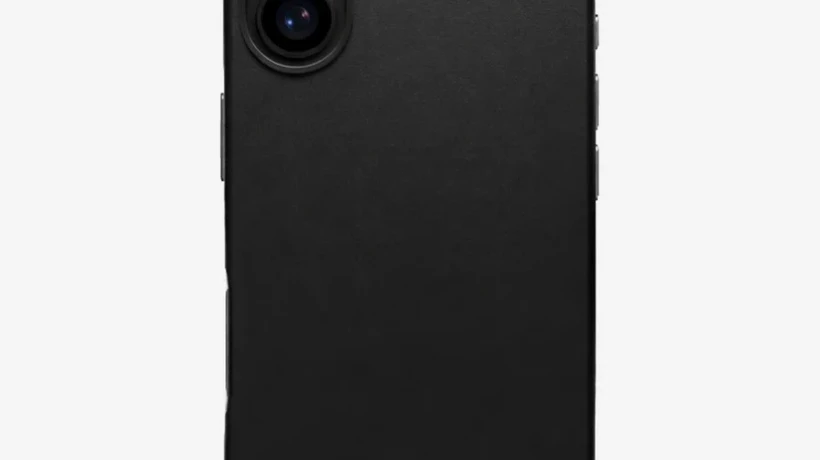
Buying a phone case sounds simple until you start comparing different materials, designs and protection levels.
Buying a phone case sounds simple until you start comparing different materials, designs and protection levels. A case may look great online but still feel uncomfortable, add unnecessary bulk or fail to provide protection where it matters most.
If you are looking for an iPhone 17 case, understanding a few common mistakes can help you make a more practical choice.
1. Choosing a Case Only for Its Appearance
A case can look attractive without necessarily being useful for everyday protection.
Transparent cases, slim cases and designer-style cases can all look different, but appearance should not be the only deciding factor. Check how the case protects the corners, edges and camera area as well.
Think about how you normally use your phone. Someone who mainly uses an iPhone at home may have different requirements from someone who carries it around all day.
2. Assuming Thicker Always Means Better
It is easy to think that a thicker case automatically offers better protection. In reality, protection depends on the overall construction and materials.
A very thick case can make an iPhone uncomfortable to carry, especially if it spends most of the day in a pocket.
For everyday users, a case with reinforced areas and sensible edge protection may offer a better balance between protection and convenience.
3. Forgetting About the Camera Area
The camera system deserves attention when choosing a case.
If the camera lenses sit directly against a surface whenever the phone is placed down, they can be exposed to scratches or other forms of contact.
Look for an iPhone 17 case with an appropriately raised or protected camera area. At the same time, make sure the camera cutouts are accurately positioned and do not interfere with photography.
4. Ignoring How the Case Feels in Your Hand
A phone case is something you interact with every day, so comfort matters.
Some smooth cases can feel slippery, while textured or softer materials may provide more grip. A case that feels secure in your hand can also make everyday handling more comfortable.
This is particularly important if you frequently use your phone while walking, travelling or multitasking.
5. Buying Without Checking Compatibility
One of the easiest mistakes is assuming that a case designed for one iPhone model will fit another model simply because the phones look similar.
Small differences in dimensions, cameras, buttons and port placement can affect compatibility.
Before ordering, always verify that the case is specifically made for the iPhone 17 rather than relying on a general “iPhone case” description.
6. Not Considering Wireless Charging
If you use wireless charging or magnetic accessories, this should be considered before buying a case.
A case can affect how easily a phone connects with compatible magnetic accessories depending on its construction and thickness.
For users who regularly use magnetic chargers, wallets, stands or similar accessories, checking compatibility beforehand can prevent inconvenience later.
Casence's iPhone 17 collection includes cases designed specifically for the model, making it easier to compare options based on the type of protection and design you prefer.
7. Choosing the Same Case as Everyone Else
There is no universally perfect phone case.
Someone who wants a barely noticeable case may prefer a completely different design from someone who prioritises stronger protection. Likewise, a person who frequently watches videos may value a stand, while another user may prefer a simple lightweight case.
Instead of choosing based on what looks popular, consider your own routine.
A Simple Way to Decide
Ask yourself three questions:
Do I want to see the original iPhone design?
If yes, a clear case may be a good option.
Do I frequently drop or carry my phone in demanding environments?
If yes, prioritise stronger corner and edge protection.
Do I use magnetic accessories regularly?
If yes, make compatibility an important part of your decision.
How Often Should You Replace an iPhone Case?
A case does not necessarily need to be replaced after a fixed period. Its condition is a better indicator.
Consider replacing it if you notice cracked corners, stretched edges, loose fitting, significant discolouration or damage that could affect protection.
Even if the phone itself is in excellent condition, a damaged case may no longer provide the same level of protection.
Final Thoughts
Choosing an iPhone 17 case is less about finding the most expensive or most protective option and more about finding one that matches your daily use.
Pay attention to fit, camera protection, grip, thickness, charging compatibility and overall condition. Once those basics are covered, you can choose the style and finish that suits your personal preference.


Comments
Login to Comment