Interior Architecture Design: Where Function, Space, and Style Come Together
23 Jan, 2026
9759 Views 0 Like(s)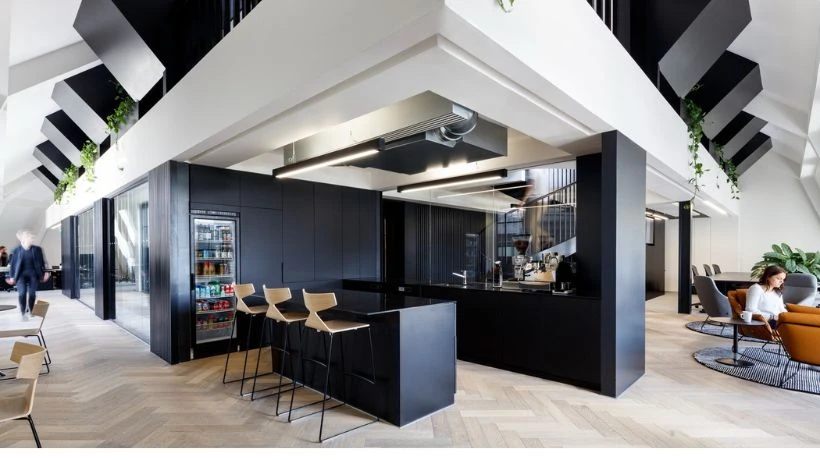
Explore expert interior architecture design solutions that combine functionality, structure, and style. Learn how professional interior architecture design transforms residential and commercial spaces.
Interior spaces shape how we live, work, and feel. A well-designed interior does more than look good. It supports daily routines, improves comfort, and makes a space truly functional. This is where interior architecture design plays a key role. It bridges the gap between architecture and interior design, focusing not only on visual appeal but also on spatial planning, structure, and long-term usability.
In this guide, we’ll explore what interior architecture design really means, how it works, why it matters, and how it transforms residential, commercial, and public spaces.
What Is Interior Architecture Design?
Interior architecture design is the practice of designing interior spaces with a strong focus on structure, layout, materials, and functionality. Unlike decorative interior design, it involves architectural thinking such as wall placement, ceiling heights, circulation paths, lighting integration, and material performance.
An interior architect does not just decorate a room. They redesign the space from the inside out, often working with existing buildings to improve how spaces function and feel.
Key focus areas include:
-
Space planning and layout optimization
-
Structural elements like walls, partitions, and ceilings
-
Material selection and finishes
-
Lighting and ventilation planning
-
Building codes and safety compliance
Interior Architecture vs Interior Design
Many people confuse interior architecture design with interior design, but they serve different purposes.
Interior Design
Primarily focuses on aesthetics, furniture, colors, textures, and décor.
Interior Architecture Design
Focuses on the structure and function of the space, often involving construction changes, spatial reconfiguration, and technical planning.
In simple terms, interior architecture shapes the space, while interior design dresses it.
Why Interior Architecture Design Matters
A poorly planned interior can feel cramped, inefficient, or uncomfortable, no matter how stylish it looks. Interior architecture design ensures that a space works well before it looks good.
Functional Efficiency
Thoughtful layouts improve movement, usability, and storage. This is especially important in small homes, offices, and commercial spaces.
Long-Term Value
Well-designed interior architecture increases property value by improving structural logic and adaptability.
User Comfort
Natural light, airflow, acoustics, and ergonomics are all considered, creating healthier and more comfortable environments.
Sustainability
Smart material choices and energy-efficient layouts reduce environmental impact and long-term costs.
The Core Principles of Interior Architecture Design
Successful interior architecture design is built on several foundational principles.
1. Space Planning
Every square foot should have a purpose. Designers analyze how people move, interact, and use the space to create efficient layouts.
2. Balance Between Form and Function
A beautiful space that doesn’t function well will fail over time. Interior architecture design prioritizes usability without sacrificing aesthetics.
3. Structural Awareness
Understanding load-bearing walls, columns, and building systems ensures safety and compliance.
4. Material Integrity
Materials are chosen not only for appearance but also for durability, acoustics, maintenance, and sustainability.
5. Lighting Integration
Both natural and artificial lighting are planned at the architectural level, not added as an afterthought.
The Interior Architecture Design Process
Interior architecture design follows a structured process to ensure clarity, accuracy, and successful outcomes.
Initial Consultation and Brief
The designer understands the client’s needs, lifestyle, budget, and long-term goals.
Site Analysis
Existing conditions are assessed, including structure, lighting, ventilation, and limitations.
Concept Development
Initial ideas, layouts, and design concepts are developed based on user needs and space potential.
Design Development
Detailed drawings, material specifications, and technical plans are created.
Execution and Coordination
Designers work closely with contractors, engineers, and suppliers to ensure accurate implementation.
Final Review
The completed space is reviewed to ensure it meets both functional and aesthetic goals.
Interior Architecture Design for Residential Spaces
In homes, interior architecture design focuses on comfort, flow, and personalization.
Living Spaces
Open plans, natural light optimization, and flexible layouts enhance daily living.
Kitchens
Efficient work triangles, storage solutions, and durable materials are key priorities.
Bedrooms
Acoustic control, lighting balance, and spatial harmony create restful environments.
Bathrooms
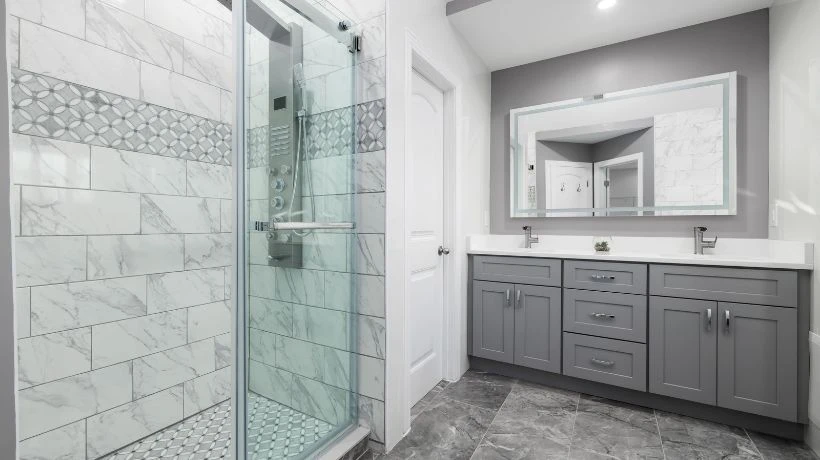
Space optimization, ventilation, and moisture-resistant materials are essential.
Good interior architecture design turns a house into a functional and welcoming home.
Commercial Interior Architecture Design
Commercial spaces require a strong balance between branding, efficiency, and user experience.
Offices
Layouts support productivity, collaboration, and employee well-being.
Retail Spaces
Flow, visibility, and spatial psychology influence customer behavior.
Hospitality
Hotels and restaurants rely heavily on interior architecture design to create memorable experiences.
Healthcare and Education
Safety, accessibility, and functionality are critical in these environments.
In commercial projects, interior architecture directly impacts business performance.
Role of Technology in Interior Architecture Design
Modern interior architecture design is deeply influenced by technology.
3D Visualization and BIM
Designers use advanced tools to visualize spaces before construction begins.
Smart Interiors
Integration of smart lighting, climate control, and automation enhances comfort and efficiency.
Sustainable Technology
Energy-efficient systems and eco-friendly materials are now standard practice.
Technology helps designers create precise, efficient, and future-ready interiors.
Sustainable Interior Architecture Design
Sustainability is no longer optional. Interior architecture design plays a major role in reducing environmental impact.
Sustainable practices include:
-
Using recycled and low-VOC materials
-
Maximizing natural light and ventilation
-
Designing energy-efficient layouts
-
Reducing construction waste
Sustainable interior architecture benefits both the environment and the end user.
Common Challenges in Interior Architecture Design
Even the best designers face challenges during projects.
Limited Space
Creative planning and multi-functional elements help overcome small layouts.
Budget Constraints
Smart material choices and phased execution keep projects cost-effective.
Structural Limitations
Working within existing structures requires experience and technical knowledge.
Client Expectations
Clear communication ensures realistic goals and successful outcomes.
Professional interior architecture design balances creativity with practicality.
How to Choose the Right Interior Architecture Designer
Selecting the right professional is crucial for project success.
Look for:
-
Strong portfolio with diverse projects
-
Technical knowledge and certifications
-
Clear communication skills
-
Understanding of building regulations
-
Ability to align design with your lifestyle or business needs
A good interior architecture designer becomes a long-term partner in shaping your space.
Future Trends in Interior Architecture Design
Interior architecture design continues to evolve with changing lifestyles.
Flexible Spaces
Designs that adapt to work-from-home and multi-use living.
Minimal and Purpose-Driven Layouts
Less clutter, more function.
Biophilic Design
Bringing nature indoors through light, materials, and greenery.
Human-Centered Design
Spaces designed around well-being, comfort, and emotional connection.
These trends show how interior architecture is becoming more thoughtful and user-focused.
Final Thoughts
Interior architecture design is more than arranging rooms or choosing materials. It is about understanding how people live, move, and interact within a space. By combining structural knowledge with creative vision, interior architecture transforms ordinary interiors into meaningful, functional environments.
Whether you are designing a home, office, or commercial space, investing in professional interior architecture design ensures long-term value, comfort, and usability. When space is planned thoughtfully from the inside, it doesn’t just look better. It works better.

Comments
Login to Comment