HydraFacial Treatment Benefits You May Not Know About
05 Oct, 2026
8 Views 0 Like(s)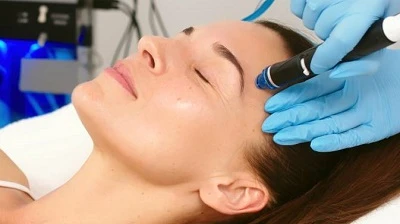
Discover the benefits of HydraFacial Treatment for glowing, hydrated skin. Learn how this advanced facial refreshes and rejuvenates your complexion.
Healthy, glowing skin is often associated with complicated skincare routines, expensive products, or lengthy treatments. However, modern skincare has introduced options that combine several skin-enhancing steps into one convenient procedure. One of the most popular examples is HydraFacial Treatment, a non-invasive facial designed to cleanse, exfoliate, extract impurities, and hydrate the skin.
Many people know HydraFacial as a treatment for achieving an immediate glow, but its potential benefits go beyond a temporary improvement in appearance. Depending on the individual’s skin type, concerns, and treatment plan, it may help improve the look of clogged pores, uneven texture, dullness, dehydration, and certain signs of premature aging.
Another reason the treatment has gained attention is its relatively gentle approach. Unlike more aggressive resurfacing procedures, HydraFacial generally does not require significant downtime, making it appealing to people who want a refreshed appearance without putting their normal schedule on hold.
What Is HydraFacial Treatment?
HydraFacial Treatment is a non-invasive skincare procedure that uses a specialized device to perform several facial-care steps during one session. The process commonly includes cleansing, exfoliation, gentle extraction, and hydration.
The treatment is often customized according to the condition and needs of the skin. For example, someone dealing primarily with dehydration may benefit from a hydration-focused approach, while another person concerned about congestion may require greater attention to cleansing and extraction.
The treatment usually begins by removing surface impurities and preparing the skin. Gentle exfoliation then helps loosen dead skin cells from the outer layer. The extraction stage is designed to remove unwanted buildup from pores, while hydrating solutions are applied to help replenish the skin.
Because the procedure is customizable, the experience and results can vary from person to person. Skin type, existing concerns, lifestyle, and consistency of skincare can all influence the outcome.
HydraFacial Benefits Beyond the Immediate Glow
The most noticeable benefit after a HydraFacial is often a fresher and more radiant appearance. However, there are several less obvious advantages that make the treatment appealing.
1. Helps Improve the Appearance of Clogged Pores
Pores can become congested when oil, dead skin cells, makeup residue, and environmental impurities accumulate on the skin. This buildup can make pores appear more noticeable and contribute to an uneven complexion.
A HydraFacial session combines exfoliation with gentle extraction, helping remove some of this surface and pore-level buildup. As a result, the skin may appear cleaner and smoother.
It is important to remember that pores cannot be permanently eliminated or physically erased. Their appearance can fluctuate depending on oil production, skin elasticity, hydration, and congestion. Regular professional skincare may help keep them looking less noticeable.
2. Provides Deep Hydration
Dehydrated skin can appear dull, rough, tight, or more tired than usual. Even oily skin can become dehydrated, so hydration is not exclusively a concern for people with dry skin.
HydraFacial Treatment incorporates hydrating solutions into the procedure, helping the skin feel more comfortable and look plumper and fresher. Proper hydration can also temporarily soften the appearance of fine lines caused by dryness.
This benefit can be particularly attractive before an important occasion when someone wants the skin to look refreshed without undergoing a treatment that requires prolonged recovery.
3. Supports Smoother-Looking Skin Texture
Dead skin cells naturally accumulate on the surface of the skin. When this buildup becomes excessive, the complexion may look rough, uneven, or lackluster.
The exfoliation component of HydraFacial helps remove some of these dead surface cells. This can leave the skin feeling softer and looking more polished.
Smoother skin texture can also make skincare and makeup appear more even. However, significant textural concerns such as deep acne scarring may require treatments specifically designed for scar remodeling.
4. Can Help Skin Look More Radiant
Environmental exposure, stress, lack of sleep, dehydration, and everyday buildup can contribute to a dull-looking complexion. HydraFacial Treatment addresses several of these surface-level factors through cleansing, exfoliation, extraction, and hydration.
The combination can give the complexion a brighter and more refreshed appearance. Some people notice this effect soon after treatment, although the duration of visible results differs between individuals.
For longer-term skin health, professional treatments work best when combined with basic skincare habits such as sun protection, appropriate cleansing, moisturization, and a consistent routine.
5. May Make Fine Lines Look Less Noticeable
Hydration and exfoliation can temporarily improve the appearance of fine lines, particularly those associated with dryness and surface roughness.
When the skin is adequately hydrated, it can look more supple and plump, which may make certain fine lines less noticeable. Exfoliation can also create a smoother surface.
However, HydraFacial should not be considered a replacement for medical anti-aging procedures. Deeper wrinkles and more advanced signs of aging may require other approaches recommended by a qualified skincare professional.
6. Offers a Gentle Option for Skin Refreshment
Some skin-resurfacing treatments can involve peeling, redness, swelling, or downtime. HydraFacial is generally considered a gentler alternative for people who want professional skin maintenance without an extended recovery period.
The procedure is designed to be non-invasive, although temporary redness, sensitivity, or mild irritation can occur in some individuals.
The suitability of any facial treatment depends on the condition of the skin. People with active irritation, certain skin disorders, infections, or other concerns should discuss their situation with an appropriately qualified professional before treatment.
Who May Benefit From HydraFacial Treatment?
HydraFacial Treatment can appeal to people with a range of cosmetic skincare concerns. It may be considered by individuals experiencing dull-looking skin, dehydration, surface roughness, visible congestion, or uneven-looking texture.
It can also be attractive to people who want regular professional skincare maintenance. Because the treatment can be adjusted according to skin needs, it may be suitable for different skin types when performed appropriately.
However, "suitable for many skin types" does not mean suitable for everyone. Individuals with active skin infections, significant inflammation, open wounds, severe irritation, or certain dermatological conditions may need to postpone treatment or choose another option.
A professional skin assessment can help determine whether HydraFacial is appropriate and which treatment approach is most suitable.
What Can Someone Expect During and After the Treatment?
A typical HydraFacial session involves several stages. The skin is first cleansed and prepared, followed by exfoliation. A specialized device is then used to perform gentle extraction and deliver hydrating ingredients.
Most people describe the treatment as comfortable, although sensations can vary. The skin may feel refreshed immediately afterward, and some people notice a smoother and more hydrated appearance.
One of the major attractions of HydraFacial is that significant downtime is generally not expected. Mild redness can occur, but it commonly settles relatively quickly.
After treatment, the skin should be treated gently. Excessive sun exposure, harsh exfoliating products, and other potentially irritating skincare products may need to be avoided for a period recommended by the treating professional.
Using sunscreen consistently is particularly important. Sun protection helps protect the skin from ultraviolet exposure and supports the results of a good skincare routine.
How Often Can HydraFacial Treatment Be Done?
There is no universal schedule that works for everyone. The appropriate frequency depends on skin type, concerns, lifestyle, and the specific treatment plan.
Some people choose occasional sessions before special events, while others incorporate professional facials into a longer-term skincare routine. A qualified professional can recommend an appropriate schedule based on the skin's response.
More frequent treatment is not automatically better. Healthy skin also needs time to maintain its natural protective barrier. Over-treating the skin or combining multiple aggressive procedures without appropriate guidance can contribute to irritation.
A balanced approach usually works best. Professional treatments can complement, rather than replace, daily skincare.
Important Things to Consider Before Choosing HydraFacial Treatment
Although HydraFacial is generally well tolerated, expectations should remain realistic. It can improve the appearance and feel of the skin, but it is not a cure for every skin concern.
People considering the treatment should disclose relevant skincare products, medications, allergies, recent cosmetic procedures, and existing skin conditions to the professional performing the treatment.
It is also useful to understand that results are not permanent. Skin continues to produce oil, accumulate dead cells, experience environmental exposure, and age naturally. Maintaining results therefore depends on ongoing skincare and lifestyle habits.
The best outcomes typically come from combining professional treatments with daily sunscreen use, gentle cleansing, adequate hydration, healthy nutrition, sufficient sleep, and skincare products appropriate for the individual's skin.
Frequently Asked Questions
1. Is HydraFacial Treatment painful?
HydraFacial Treatment is generally considered comfortable and non-invasive. Most people experience sensations associated with cleansing, exfoliation, and gentle suction rather than significant pain. Individual sensitivity can vary, so anyone with particularly sensitive skin should discuss this before treatment.
2. How long does a HydraFacial session take?
A typical session may take around 30 to 60 minutes, depending on the treatment plan and any additional steps included. The exact duration can vary based on individual needs.
3. Is there downtime after HydraFacial Treatment?
One of the main advantages of HydraFacial is that it generally involves little to no significant downtime. Some people may experience temporary redness or mild sensitivity immediately afterward. Following post-treatment skincare guidance can help minimize irritation.
4. Can HydraFacial help with acne-prone skin?
HydraFacial may help improve the appearance of congested skin by combining exfoliation and gentle extraction. However, it should not be viewed as a standalone treatment for acne. Persistent, painful, or severe acne may require a tailored treatment plan from a qualified healthcare professional.
5. How long do HydraFacial results last?
The visible effects can vary considerably from person to person. Some individuals notice smoother, more hydrated-looking skin for several days or longer, while others may experience different results. Lifestyle, skincare habits, and the condition of the skin all influence how long the effects remain noticeable.
6. Is HydraFacial suitable for all skin types?
HydraFacial can be adapted for many different skin types, but it is not automatically appropriate for every person or every skin condition. A professional assessment is recommended, especially for individuals with sensitive, irritated, inflamed, or medically treated skin.
Final Thoughts
HydraFacial Treatment offers more than an instant glow. By combining cleansing, exfoliation, extraction, and hydration, it can help the skin look smoother, fresher, and more radiant while addressing several common cosmetic concerns.
Its gentle nature and minimal downtime make it an appealing option for people seeking professional skincare without a lengthy recovery period. At the same time, realistic expectations are important. The treatment cannot permanently change pores, eliminate deep wrinkles, or replace medical care for skin diseases.
For the best possible experience, treatment should be selected according to individual skin needs and performed by an appropriately trained professional. When combined with consistent home skincare and daily sun protection, professional treatments can become part of a broader approach to maintaining healthy-looking skin.
Read More About HydraFacial Treatment: https://medium.com/@eshanasir556/hydrafacial-treatment-vs-microdermabrasion-explained-08e995655833


Comments
Login to Comment