How to Select Colors and Finishes for a Custom Car Wrap
16 Oct, 2026
4 Views 0 Like(s)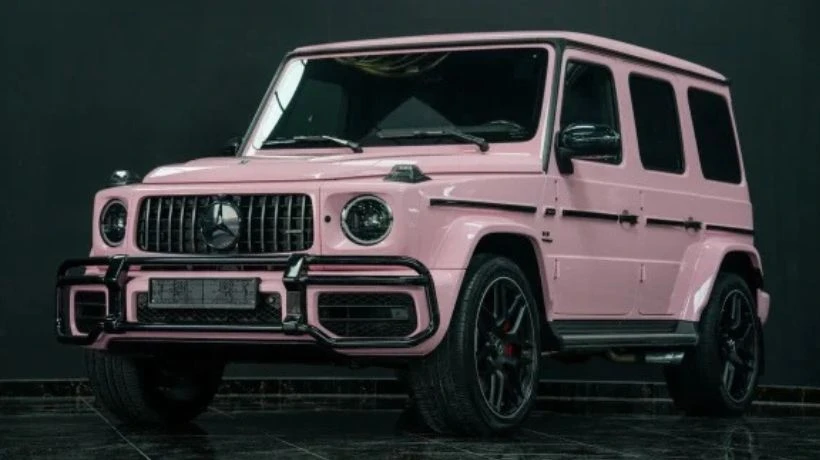
Learn how to choose car wrap colours and finishes in Dubai, compare gloss, matte and satin vinyl, understand pricing factors and plan installation.
Choosing a colour for a car wrapping dubai is about more than personal taste. The right shade can highlight a vehicle’s shape, create a distinctive appearance or help a business maintain a consistent identity across its vehicles. The finish matters too: gloss, matte, satin and metallic vinyl can make the same colour look noticeably different.
In Dubai, where vehicles are often exposed to strong sunlight and dusty conditions, it is worth considering appearance alongside maintenance and everyday use. Comparing real samples, understanding the available finishes and planning the design before installation can help avoid a choice that looks different from what was expected.
Start With the Purpose of the Car Wrap
Before selecting a colour, decide what the wrap needs to achieve. A private car owner may want a subtle colour change, a distinctive finish or a look that suits the vehicle’s design. A business may need colours that match its logo and remain easy to recognise on the road.
Colours for Personal Vehicles
For personal vehicles, the best colour is one that suits both the car’s shape and the owner’s preferences. Neutral shades such as black, grey and white can create an understated appearance, while brighter colours or unusual tones can make the vehicle more distinctive.
Consider the vehicle’s body lines before choosing a colour. Dark shades can emphasise contours and create a dramatic look, while lighter colours may make some details more visible. The result depends on the vehicle’s design, lighting and selected finish.
It is also useful to think about how long the colour will remain appealing. A bold colour may be ideal for a temporary styling project, while a more restrained shade may suit someone who wants a look that works in different settings.
Colours for Business and Branded Vehicles
For business vehicles, colour selection should begin with the company’s existing identity. A wrap can use brand colours, contrasting panels and clear graphics to make the vehicle recognisable without overwhelming its design.
Readability is especially important. If a vehicle will display a logo, phone number or website, the text should contrast clearly with the background. Too many colours or decorative elements can make the message harder to understand when the vehicle is moving.
Businesses planning a consistent appearance across several vehicles should also consider how the selected colours will look on different body shapes. A design that works on a sedan may need adjustments for a van or SUV.
Compare the Most Popular Car Wrap Finishes
The finish affects how a colour reflects light, how the vehicle looks from different angles and which cleaning products may be suitable.
Gloss Finish
Gloss vinyl has a reflective surface that resembles the shine of conventional automotive paint. It can make colours appear bright and gives a familiar, polished appearance.
This finish may suit drivers who want a factory-style colour change or businesses looking for a clean, conventional look. However, reflections can make the appearance vary with the angle of the sun and surrounding light.
Matte Finish
Matte vinyl has a low-reflection surface that creates a more understated appearance. It is often chosen for modern styling or when a vehicle needs a distinctive look without a strong shine.
Matte finishes can require specific cleaning products and care methods. Conventional waxes or polishes may alter the appearance, so the film manufacturer’s instructions should be followed.
Satin Finish
Satin sits between gloss and matte. It provides a soft sheen without the stronger reflections of a gloss wrap.
This balanced appearance can work well on many vehicle shapes and colours. It is worth viewing satin samples in different lighting conditions because the level of sheen can influence how the colour is perceived.
Metallic and Special Finishes
Metallic, pearlescent, brushed and colour-shifting films can create more noticeable visual effects. Some change their appearance depending on the angle of the light, making the vehicle look different outdoors than it does under indoor lighting.
Special finishes may also affect the project’s material cost and installation requirements. Before choosing one, ask to see a physical sample and confirm the film’s suitability for the intended vehicle and coverage.
How to Choose a Colour That Looks Right on Your Vehicle
A colour displayed on a phone or computer screen may not match the installed vinyl exactly. Screen settings, lighting and the film’s surface finish can all influence how a shade appears.
View Physical Samples in Natural Light
Whenever possible, compare physical vinyl samples outdoors and in shaded conditions. This helps reveal differences in brightness, undertones and reflectivity that may not be obvious indoors.
Place the sample against the vehicle’s bodywork to see how the colour interacts with its shape and existing trim. If the project involves multiple colours, compare them together rather than choosing each one separately.
Consider the Existing Trim and Details
The vehicle’s wheels, window trim, lights and other exterior details can influence which colours work well. A wrap does not need to match every component, but the overall combination should look intentional.
For a two-tone design, decide which panels will carry the main colour and which will provide contrast. Keeping the number of colours limited often makes the final appearance more cohesive.
Think About Cleaning and Everyday Use
Some colours and finishes make dust, water marks or minor surface imperfections more noticeable than others. The exact effect depends on the material, lighting and environment, so it is best to discuss care requirements before deciding.
A vehicle used every day may benefit from a finish that fits the owner’s willingness to maintain it. Business vehicles operating across multiple locations should also have a practical cleaning routine so that the graphics remain clear and presentable.
Full Wrap or Partial Wrap: How Coverage Affects the Design
Colour selection is closely linked to the amount of coverage. A full wrap changes the appearance of most of the vehicle’s exterior panels, giving the chosen colour or finish a consistent role across the design.
A partial wrap covers selected areas, such as the bonnet, roof, doors or side panels. It can create a contrasting look or provide space for business graphics while leaving parts of the original paint visible.
Full coverage generally requires more material and installation work. Partial coverage may be suitable when only a few panels need to change or when the design focuses on a logo and key information.
Before approving a design, confirm which panels are included. This is particularly important when comparing quotations, because two projects described as a wrap may involve different coverage and finishing details.
What Affects the Price of a Custom Car Wrap in Dubai?
There is no single price that applies to every custom wrap. The published car wrapping dubai service page explains that cost depends on factors such as vehicle size, wrap type, material, coverage and design complexity, rather than offering one fixed price for all vehicles.
The main factors to discuss when requesting a quote include:
-
Vehicle size and shape: Larger vehicles usually require more vinyl, while complex curves and body panels may increase installation work.
-
Coverage: A full wrap generally requires more material and labour than a partial wrap.
-
Material and finish: Standard colours and specialist finishes may have different material costs.
-
Design requirements: Custom printed graphics, multiple colours and detailed layouts can add preparation work.
-
Surface condition: Damaged paint, old adhesive or an existing wrap may need attention before the new film is applied.
Ask for a written quotation that identifies the selected film, coverage, preparation work and any additional charges. This makes it easier to compare proposals fairly and understand what is included.
How Long Does Car Wrap Installation Take?
The published service information gives a typical turnaround of 2–7 working days, depending on the vehicle, design, coverage and preparation requirements. The actual schedule should be confirmed for the specific project.
Colour and finish selection can influence the planning stage, particularly when a special film needs to be sourced or a custom design requires approval. For business vehicles, finalising artwork before booking installation can help reduce avoidable delays.
A typical process includes vehicle inspection, design confirmation, surface preparation, vinyl application and final checks. If the vehicle has damaged paint or needs an existing wrap removed, additional time may be required.
Before leaving the vehicle, confirm the expected completion date and ask about any aftercare instructions that apply to the selected film.
Choose a Wrap That Fits Your Long-Term Plans
The right car wrap colour should suit the vehicle, the intended use and the amount of maintenance the owner is prepared to provide. A personal vehicle may call for a distinctive finish, while a company car may need a simpler design that keeps the brand easy to recognise.
If you are comparing design and installation options, a vehicle branding company in dubai can help you explore how colours, graphics and coverage work together for a personal or commercial vehicle.
Before making a final decision, review physical samples, confirm the material specifications, compare the full scope of quotations and agree on a realistic installation schedule. A well-planned choice is more likely to deliver the intended appearance without unexpected changes during the project.

Comments
Login to Comment