How to Reduce Leg Swelling Caused by Lipedema
31 Oct, 2026
13 Views 0 Like(s)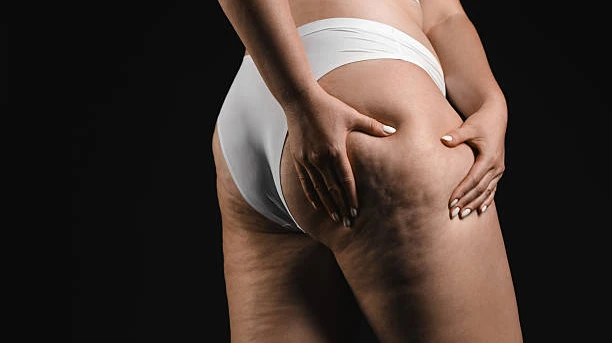
Discover effective approaches to the Treatment of Lipedema in Riyadh. Learn about diagnosis, treatment options, symptom management, and ways to improve daily comfort.
Lipedema is a chronic condition that causes an abnormal and often symmetrical accumulation of fat, particularly around the hips, thighs, and legs. Many people experience tenderness, easy bruising, heaviness, and discomfort that can affect their daily activities. Some patients also develop additional swelling due to fluid accumulation or coexisting lymphatic problems. Understanding how Treatment of lipedema in Riyadh (علاج الوذمة الشحمية في الرياض) can help manage these symptoms is important for maintaining comfort, supporting mobility, and improving everyday well-being. Although lipedema-related fat cannot be removed through simple lifestyle changes, several supportive approaches may help manage associated swelling.
Reducing leg swelling requires understanding its underlying cause because not all swelling in people with lipedema comes from the condition itself. Compression garments, appropriate physical activity, and manual lymphatic drainage may help selected patients, particularly when additional fluid buildup is present. A personalized approach to Treatment of lipedema in Riyadh should consider the patient's symptoms, medical history, and whether another condition is contributing to swelling. Professional assessment helps identify suitable methods and avoid treatments that may not be appropriate.
Why Do Legs Swell in Lipedema?
Lipedema primarily involves abnormal fat accumulation rather than fluid retention. However, some patients experience swelling alongside the condition, particularly as symptoms become more complex or when another lymphatic or circulatory problem is present.
Common factors associated with leg swelling include:
-
Additional fluid accumulation in the affected tissues.
-
Reduced mobility due to discomfort or heaviness.
-
Coexisting lymphatic dysfunction.
-
Venous circulation problems or other medical conditions.
-
Prolonged sitting or standing, which may contribute to dependent swelling.
Because several conditions can cause leg swelling, a healthcare professional should assess persistent or changing symptoms rather than assuming they are all caused by lipedema.
Use Compression Garments to Manage Swelling
Compression therapy is commonly included in conservative management when swelling is present. Specially designed garments apply controlled pressure to the legs, which may help support fluid movement and reduce associated heaviness.
Choose the Correct Compression Garment
Compression stockings, leggings, or custom-fitted garments may be recommended depending on the areas affected. The appropriate type and pressure level should be selected with professional guidance.
Wear Compression as Recommended
Some patients may benefit from wearing compression garments during daytime activities. The recommended schedule varies, so patients should follow their healthcare professional's instructions.
Check Skin Comfort and Fit
Garments that are too tight or poorly fitted can cause irritation, pressure marks, numbness, or discomfort. Patients should report these problems and have the fit reassessed.
Compression can support swelling management, but it does not remove lipedema fat or cure the condition.
Stay Physically Active With Low-Impact Exercise
Regular movement can support muscle function and circulation while helping patients maintain mobility. Low-impact exercises are often easier to tolerate when leg heaviness or tenderness is present.
Walking
Short, comfortable walks can help maintain movement throughout the day. Patients can gradually increase their walking time according to their ability.
Swimming and Water Exercises
Water-based activities provide buoyancy and reduce pressure on the joints. Swimming and gentle water walking may be comfortable options for people who experience leg discomfort.
Cycling
Stationary cycling at a comfortable resistance can support leg muscle activity and general fitness. Patients should adjust the intensity if discomfort increases.
Gentle Strength Training
Light resistance exercises can strengthen the muscles that support the hips, knees, and legs. A physiotherapist can help select suitable movements and adapt them to individual needs.
Consider Manual Lymphatic Drainage
Manual lymphatic drainage (MLD) is a gentle technique performed by a trained practitioner to encourage lymphatic fluid movement. It may help selected patients who have additional swelling alongside lipedema.
The technique uses light, rhythmic movements rather than deep pressure. It does not remove abnormal fat tissue, and its benefits may be limited when swelling is not related to lymphatic fluid accumulation.
Patients with an acute infection, suspected or untreated blood clot, certain heart conditions, or other medical concerns should receive medical assessment before considering lymphatic drainage.
Maintain Healthy Daily Habits
Daily habits can support general health and make swelling management easier. Although lifestyle changes cannot cure lipedema, they may help patients feel more comfortable.
-
Avoid remaining seated or standing in one position for long periods.
-
Take short movement breaks throughout the day.
-
Elevate the legs when comfortable and appropriate.
-
Drink adequate water unless a healthcare professional has advised fluid restriction.
-
Follow a balanced eating pattern that supports overall health.
-
Choose comfortable footwear and clothing that does not create unnecessary pressure.
These measures are supportive and should not replace medical assessment when swelling is persistent or unexplained.
Can Massage Help Reduce Leg Swelling?
Certain gentle massage techniques, particularly manual lymphatic drainage, may help manage fluid-related swelling in selected patients. However, deep-tissue massage and forceful pressure may increase tenderness or bruising in sensitive lipedema-affected areas.
Patients should choose a practitioner trained in lymphatic techniques and familiar with lipedema. Massage cannot dissolve or remove the abnormal fat associated with the condition.
When Should You Seek Medical Attention?
Persistent swelling should be assessed to identify its cause and determine whether another condition is present. Sudden swelling in one leg, particularly when accompanied by pain, warmth, or redness, requires urgent medical assessment because it may indicate a blood clot.
Chest pain or sudden shortness of breath requires emergency medical attention. Patients should not attempt to manage these symptoms through compression, massage, or exercise.
What Medical Treatments Can Help Manage Lipedema?
The most appropriate treatment depends on the patient's symptoms and overall health. Conservative management may include compression, suitable exercise, and manual lymphatic drainage when associated swelling is present.
For selected patients with persistent symptoms, specialized liposuction may be considered to remove affected fat while protecting surrounding structures, including lymphatic vessels. Surgery involves risks and does not guarantee a permanent cure. A personalized plan for Treatment of lipedema in Riyadh should focus on symptom management, realistic expectations, and appropriate long-term follow-up.
Book Your Appointment at Royal Clinic Saudia
If leg swelling, heaviness, or tenderness is affecting your daily routine, a professional assessment can help identify suitable management options. Book an appointment at Royal Clinic Saudia (عيادات رويال كلينك) to discuss your symptoms, understand possible causes of swelling, and explore an individualized care plan.
FAQs:
Can lipedema leg swelling be reduced naturally?
Some supportive habits, such as regular low-impact movement, comfortable leg elevation, and avoiding prolonged sitting or standing, may help manage certain types of swelling. Persistent swelling should still be assessed by a healthcare professional.
Are compression stockings helpful for lipedema?
Compression stockings may help manage associated swelling and heaviness in selected patients. The correct pressure level and fit should be recommended by a qualified professional.
Does drinking more water reduce lipedema swelling?
Staying adequately hydrated supports normal body functions, but drinking extra water does not directly remove lipedema fat or reliably resolve swelling. Individual fluid needs should be considered.
Is leg elevation useful for lipedema?
Leg elevation may provide temporary comfort for some patients, particularly when dependent swelling is present. It does not treat the underlying lipedema condition.

Comments
Login to Comment