How to Organize Your Masala Box Like a Pro Indian Cook
17 Jun, 2026
1348 Views 0 Like(s)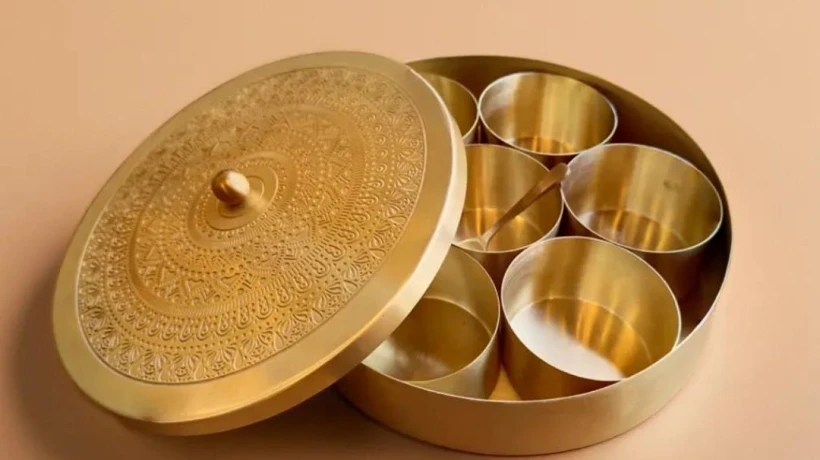
Learn how to organize your masala box like a pro Indian cook. Keep spices fresh, accessible, and neatly arranged for faster, hassle-free cooking.
A well-organized kitchen is the secret behind efficient cooking, and one of the most important parts of any Indian kitchen is the kitchen masala box. Whether you call it a masala dabba or spice box, this simple container holds the flavors that bring Indian dishes to life.
Professional Indian cooks know that a properly organized masala box can save time, reduce cooking stress, and improve the overall cooking experience. Instead of searching through multiple spice jars while preparing a meal, everything you need is available within arm’s reach.
If your spice collection is becoming cluttered or difficult to manage, this guide will help you organize your kitchen masala box like a professional cook and keep your spices fresh, accessible, and ready to use.
Why an Organized Kitchen Masala Box Matters
Indian cooking often involves multiple spices added at different stages of the cooking process. During busy meal preparation, searching for spices can slow you down and make cooking less enjoyable.
An organized kitchen masala box offers several benefits:
- Faster meal preparation
- Better spice management
- Reduced kitchen clutter
- Improved freshness of spices
- Easier identification of ingredients
- More enjoyable cooking experience
Professional cooks rely on efficiency, and a properly arranged spice box plays a significant role in achieving it.
Start by Choosing the Right Masala Box
Before arranging your spices, choose a high-quality brass masala box that offers both functionality and traditional charm. A brass masala box is a popular choice in Indian kitchens because it is durable, easy to maintain, and helps keep spices organized while preserving their freshness and aroma for longer.
When selecting a kitchen masala box, look for:
- Airtight or well-fitting lids
- Multiple compartments
- Food-grade materials
- Easy-to-clean design
- Appropriate size for your cooking habits
A standard masala box typically contains seven small compartments, making it ideal for storing everyday spices.
Decide Which Spices You Use Most Often
One of the biggest mistakes people make is filling their masala box with every spice they own. Professional cooks keep only their most frequently used spices in the box.
Take a look at your cooking habits and identify the spices you use almost daily.
Common spices found in a traditional kitchen masala box include:
- Turmeric powder
- Red chili powder
- Coriander powder
- Cumin seeds
- Mustard seeds
- Garam masala
- Asafoetida (hing)
These spices are used regularly in many Indian recipes and deserve a permanent place in your spice box.
Less frequently used spices can be stored separately in labeled containers.
Arrange Spices According to Your Cooking Style
There is no universal rule for arranging spices. The best setup is the one that matches your cooking routine.
Many experienced cooks place the most frequently used spices in the easiest-to-reach compartments. For example, turmeric, chili powder, and coriander powder may be positioned near the front because they are used in a wide variety of dishes.
If you often cook regional cuisines, you can customize the arrangement accordingly. South Indian cooks may prioritize mustard seeds and curry powder, while North Indian cooks may use garam masala more frequently.
The goal is to create a kitchen masala box that supports your cooking habits rather than following a rigid template.
Keep Whole and Ground Spices Separate
Whole spices and powdered spices behave differently during storage. Whole spices generally retain their flavor longer, while powdered spices lose freshness more quickly.
To maintain better organization:
Store powdered spices in dedicated compartments and keep whole spices grouped together whenever possible.
This method helps you quickly identify ingredients and prevents accidental mixing during cooking.
Professional cooks often reserve one compartment for freshly roasted spice blends that are used regularly in their recipes.
Avoid Overfilling Compartments
It can be tempting to fill each section to the brim, but doing so often creates mess and makes it difficult to scoop spices accurately.
Instead, leave some room in each compartment. This makes measuring easier and reduces the risk of spills when opening or closing the lid.
An organized kitchen masala box should be practical, not overcrowded.
Refill spices as needed rather than storing excessive quantities in the box.
Label Spices If Needed
If multiple family members cook in the kitchen or if you are new to Indian cooking, labeling can be extremely helpful.
Small labels on the underside of the lid or near each compartment can prevent confusion between similar-looking spices.
For example, coriander powder and cumin powder may appear alike at first glance. Proper labeling ensures accuracy and avoids cooking mistakes.
Even professional kitchens use labels to maintain consistency and organization.
Store the Masala Box Properly
Proper storage is just as important as proper organization.
Keep your kitchen masala box in a cool, dry location away from direct sunlight, moisture, and heat sources.
Avoid placing it directly beside:
- Gas stoves
- Ovens
- Dishwashers
- Windows with strong sunlight
Excessive heat and humidity can cause spices to lose flavor, aroma, and color more quickly.
A dedicated kitchen drawer or cabinet near your cooking area often works best.
Clean the Box Regularly
Over time, spice residues can build up inside compartments. This may affect flavor and create unwanted mixing of spices.
Professional cooks clean their spice containers regularly to maintain freshness and hygiene.
Every few weeks:
- Empty each compartment
- Wipe the interior with a dry cloth
- Wash if necessary
- Ensure the box is completely dry before refilling
Never place fresh spices into a damp container, as moisture can lead to clumping and spoilage.
A clean kitchen masala box not only looks better but also helps preserve the quality of your spices.
Rotate Spices for Maximum Freshness
Spices do not last forever. While they may remain safe to use for a long time, their flavor and aroma gradually decrease.
A good practice is to refill your spice box with smaller quantities and replenish them regularly from larger storage containers.
This approach ensures that the spices in your kitchen masala box remain fresh and flavorful.
Always use older stock first before opening new packets.
This simple habit reduces waste and maintains consistent taste in your cooking.
Create a Backup Spice Storage System
Professional kitchens often maintain a two-level spice system.
The masala box contains daily-use spices, while larger containers store backup supplies.
This setup offers several advantages:
- Keeps the masala box uncluttered
- Maintains freshness
- Makes refilling easy
- Saves kitchen space
Your kitchen masala box should function as a working station rather than a long-term storage container.
Keeping backup spices separately helps achieve this balance.
Customize Your Masala Box Seasonally
Many Indian households adjust their spice usage based on the season.
For example:
During winter, spices like black pepper and warming spice blends may be used more frequently. During summer, lighter spices and cooling ingredients may take priority.
Do not hesitate to modify your kitchen masala box according to changing cooking needs.
Flexibility is one of the secrets behind efficient kitchen organization.
Final Thoughts
A well-organized kitchen masala box is much more than a storage container. It is an essential tool that helps streamline cooking, improve efficiency, and keep your favorite spices fresh and accessible.
Professional Indian cooks understand that great meals start with proper preparation, and organizing your spice box is one of the simplest ways to upgrade your cooking routine. By selecting the right spices, arranging them thoughtfully, maintaining cleanliness, and storing them correctly, you can transform your daily cooking experience.
Whether you are a beginner or an experienced home chef, taking the time to organize your kitchen masala box will help you cook with greater confidence, speed, and enjoyment every day.


Comments
Login to Comment