How to Maintain Epoxy Coating for Concrete Floors?
12 Aug, 2026
649 Views 0 Like(s)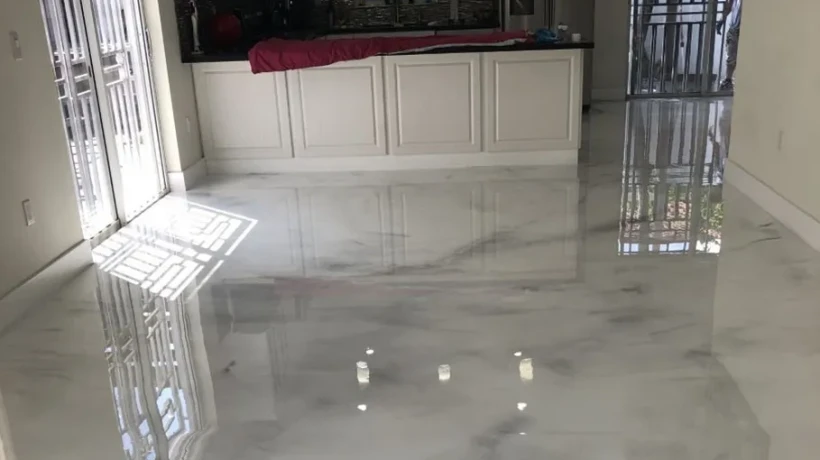
Walk into any high-end garage or commercial bay with a fresh resin floor, and the first thing you notice is that mirror-like reflection. It looks indestructible. But fast-forward six months, and many of those same floors look dull, scratched, and hazy.
Walk into any high-end garage or commercial bay with a fresh resin floor, and the first thing you notice is that mirror-like reflection. It looks indestructible. But fast-forward six months, and many of those same floors look dull, scratched, and hazy.
Why? Because they go through a lot. People drag heavy equipment across trapped gravel, blast the surface with harsh acidic cleaners, or let hot motor oil pool in the corners for days.
An epoxy layer isn't invincible; it's a chemical shield that needs specific care to stay clear and tough. Understanding how to properly handle an epoxy coating for concrete floors keeps it looking like a showroom floor rather than a scuffed-up warehouse slab.
In A Nutshell
● Sweep Off the Grit: Loose sand under heavy boots acts like fine-grit sandpaper on your topcoat.
● Ditch Acidic Cleaners: Bleach, vinegar, and heavy citrus destroy the resin's glossy clarity.
● Neutralize Chemical Spills: Wiping up hot oil, brake fluid, and gas immediately prevents permanent surface burns.
How Do You Maintain Epoxy Coating for Concrete Floors?
Stop Sand & Gravel from Grinding Down the Gloss
The biggest killer of a glossy floor isn't heavy weight; it's the tiny bits of sand and gravel brought in on shoe treads and vehicle tires. When boots pivot or tires turn on top of those hard particles, they press them straight into the clear topcoat, carving thousands of microscopic scratches into the surface. Over time, those scratches collect dirt, turning a high-gloss finish into a dull, cloudy haze.
Wiping down with a wide microfiber dust mop across the floor takes under two minutes and lifts those loose abrasive grains before they do any real damage. It is equally important to keep heavy upright vacuums off the surface, as their plastic wheels and metal beater bars can easily chip or scratch the outer seal.
Placing heavy-duty mats at entryway doors also helps catch crushed rock before it ever touches the clear coat. Keeping the surface free of grit is an effective way to protect an epoxy coating for concrete floors without spending a dime on specialized maintenance tools.
Wash Away Grease with Mild, pH-Neutral Solutions
When tire marks, mud, and slick oil patches start building up, jumping straight to industrial degreasers or household vinegar is a massive mistake. Acidic compounds, bleach, and harsh citrus solvents attack the chemical bonds of the cured resin. They leave behind an ugly, milky film etched directly into the clear coat that you can't simply wipe or buff away:
● Mix Gentle Soaps: Mix a few squirts of pH-neutral dish soap or dedicated floor cleaner with warm water to cut through grime with ease.
● Use Microfiber Mops: Damp microfiber mop heads collect grease without leaving water streaks on the surface.
● Rinse Clean: Rinse heavily cleaned areas with plain water so that no soap residue dries on top to dull the shine.
Sticking to mild cleaning solutions ensures your epoxy coating for concrete floors stays crystal clear and completely free from chemically induced cloudiness.
Soak Up Corrosive Shop Fluids Before They Burn the Finish
Resin floors block liquids far better than raw, porous concrete ever could, but letting aggressive fluids sit on the surface for hours is just asking for trouble. Without intervention, aggressive chemicals like battery acid, brake fluid, and gasoline will ultimately eat through the protective layer of the clear coat.
When fresh spills hit the deck, you can smother them with shop towels or absorbent powder to keep the chemicals from eating into the finish. Once the bulk liquid is lifted, flushing the spot with clean water neutralizes any lingering acidic traces.
Always use soft rags rather than stiff scrub brushes to wipe up the residue so you don't scratch the top layer in the process. Taking immediate action against garage drips safeguards an epoxy coating for concrete floors against deep staining and permanent chemical etching.
Conclusion
A quality resin finish transforms a cold, dusty concrete slab into a seamless, heavy-duty workspace. Keeping that surface in good condition comes down to some simple habits: sweeping off abrasive grit before it scratches, using mild neutral soaps for deep cleaning, and soaking up chemical spills before they eat into the finish.
If you want to shield your facility's foundation with a seamless, high-performance barrier, investing in a professional epoxy coating in West Palm Beach delivers a tough floor built to handle heavy work for years to come.
FAQs
- How do you maintain epoxy flooring?
There are two things you can do to keep a resin floor in good shape: regularly dust mop the floor and wash it with mild soap. Sweep daily to remove grit that can scratch the finish. Weekly cleaning with a damp mop, warm water, and a pH-neutral cleaner will remove oil and dirt. If you spill aggressive shop fluids like brake fluid or battery acid, wipe it up immediately to avoid chemical burns.
2. What are the common problems with floor epoxy?
Most epoxy floor issues stem from poor prep work or environmental moisture rather than product failure. If the raw concrete slab isn't shot-blasted properly, hot vehicle tires can cause peeling (hot-tire pickup). Moisture rising from ground slabs can also create bubbles or blisters, while harsh UV light can yellow standard formulas if they lack a protective topcoat.
3. Is epoxy floor coating worth it?
Yes, installing a resin coating is a long-term, durable, and value-adding choice for garages and commercial facilities. It turns porous, dust-creating concrete into a solid, liquid-proof barrier that can withstand heavy impacts, chemical spills, and vehicle traffic. It saves tons of repair money over time because you don’t have to keep repainting or sealing the concrete.


Comments
Login to Comment