How to Evaluate Claims Made About IV Drip Treatments
18 Sep, 2026
8 Views 0 Like(s)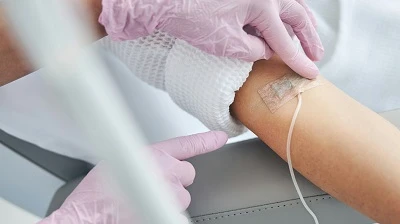
Discover the benefits of IV drip therapy for hydration, wellness, and recovery. Explore personalized IV treatments designed to support your health and energy.
Interest in IV Drip in Oman has grown as more people encounter intravenous wellness treatments promoted for hydration, energy, immunity, recovery, and general wellbeing. These treatments can sound appealing, especially when advertisements use phrases such as “instant hydration,” “detox,” “immune boost,” or “energy enhancement.” However, evaluating an IV drip treatment requires more than looking at a list of promised benefits.
An informed decision starts with understanding what an IV drip actually delivers, why it may be recommended, what evidence supports its claimed benefits, and what risks may be involved. A treatment that is medically appropriate for one person may offer little meaningful benefit to another. For that reason, claims should always be considered in the context of an individual's health, symptoms, medications, and treatment goals.
What Is an IV Drip Treatment?
An IV drip, or intravenous infusion, delivers fluids, electrolytes, medications, or other substances directly into a vein through a small catheter. Because the substance enters the bloodstream directly, intravenous treatment can be useful when rapid delivery is medically necessary or when a person cannot adequately take fluids or medication by mouth.
In medical settings, IV fluids are commonly used for situations such as significant dehydration, certain illnesses, fluid loss, and other circumstances where intravenous therapy is clinically appropriate. The exact contents of an infusion depend on the person's needs and the purpose of treatment.
Wellness-focused IV drips may contain combinations of fluids, vitamins, minerals, and other ingredients. These are sometimes marketed for purposes such as improving energy, supporting recovery, enhancing hydration, or promoting general wellness.
The important distinction is that the fact an ingredient can be delivered intravenously does not automatically mean that intravenous delivery provides a meaningful benefit for a healthy person. The strength of the evidence depends on the specific ingredient, dose, medical situation, and intended outcome.
How Should Claims About IV Drips Be Evaluated?
A useful first step is to separate a treatment's established medical purpose from broader promotional claims.
For example, hydration through an IV can be medically valuable when a person is unable to replace fluids adequately by drinking. That does not necessarily mean an IV infusion is superior to drinking fluids for every healthy individual who wants to feel more energetic.
When evaluating an IV Drip in Oman, readers can consider several questions:
What exactly is being promised?
A vague statement such as “supports wellness” is difficult to evaluate scientifically. A specific claim, such as reducing the duration of a particular illness or correcting a documented nutrient deficiency, can be investigated more directly.
What evidence supports the claim?
Reliable medical claims should ideally be supported by appropriate clinical research rather than testimonials, celebrity endorsements, or before-and-after stories.
Does the evidence apply to the intended person?
A treatment studied in people with a particular deficiency or medical condition may not produce the same benefit in healthy adults.
Is there a reasonable alternative?
If oral hydration, a balanced diet, rest, or another established treatment can accomplish the same goal safely, the advantages of an IV should be considered carefully.
Are the ingredients and doses clearly disclosed?
People should know what is being administered, how much is being given, and why each component is included.
Common IV Drip Claims and What They Really Mean
IV treatments are sometimes promoted using broad health and wellness terminology. Understanding these phrases can help readers avoid unrealistic expectations.
“Instant Hydration”
Intravenous fluids can restore fluids directly into the bloodstream, which is particularly useful when dehydration is significant or oral fluids cannot be tolerated. However, a healthy person who can drink normally may not require intravenous hydration.
The phrase “instant hydration” can therefore be misleading if it suggests that an IV is automatically better than drinking water or an appropriate oral rehydration solution.
“Energy Boost”
Some IV formulations contain vitamins or other nutrients marketed as energy-enhancing ingredients. However, fatigue can have many causes, including insufficient sleep, stress, anemia, thyroid problems, nutritional deficiencies, infection, medication effects, and other health conditions.
If persistent tiredness is present, identifying the underlying cause is generally more useful than assuming that an IV vitamin infusion will solve the problem.
“Immune Support”
The immune system is complex, and no single IV infusion should be viewed as a universal way to strengthen immunity. Adequate nutrition, sleep, vaccination where appropriate, physical activity, hygiene, and management of underlying health conditions all have important roles in maintaining health.
An IV containing vitamins should not be presented as a substitute for evidence-based preventive healthcare.
“Detox”
The word “detox” deserves particular caution. The human body already has organs, including the liver and kidneys, that continuously process and eliminate many waste products. A treatment marketed as a “detox IV” should therefore be evaluated by asking exactly what substance is supposedly being removed, how the treatment achieves that effect, and whether controlled clinical evidence demonstrates the claimed outcome.
Understanding the Safety and Risks
Although IV treatment may look simple, inserting a catheter into a vein is still a medical procedure. Potential problems can include pain, bruising, bleeding, inflammation, infection, vein irritation, and complications related to the fluid or substance being administered.
There can also be risks associated with particular ingredients. Excessive amounts of certain vitamins or minerals can be harmful, particularly in people with kidney, liver, heart, or other medical conditions. Fluid administration may also need to be considered carefully in people who have conditions that affect their ability to manage fluid balance.
Allergic reactions are another potential concern. The risk depends partly on what is included in the infusion and the individual's medical history.
A responsible approach to IV therapy therefore includes an appropriate health assessment, clear information about the proposed ingredients, sterile procedures, trained healthcare personnel, and a plan for responding to adverse reactions.
Questions to Ask Before Choosing an IV Drip in Oman
Before undergoing an IV treatment, a person can make the decision more informed by asking several practical questions.
Why is this treatment being recommended?
The purpose should be clearly explained rather than relying on general wellness language.
What is actually in the IV?
The person should be able to obtain a complete list of ingredients and their quantities.
Is there scientific evidence for the claimed benefit?
Evidence should relate to the specific treatment and intended outcome, not simply to the fact that an ingredient is important to human health.
Are there medical reasons to avoid it?
Existing health conditions, allergies, pregnancy, medications, and previous reactions to infusions may affect whether an IV is appropriate.
Who is administering the treatment?
The procedure should be carried out by appropriately qualified healthcare professionals in a setting equipped to manage complications.
What happens if a reaction occurs?
A safe service should have appropriate procedures and equipment for dealing with adverse reactions.
These questions are especially useful because they shift the focus away from marketing language and toward clinical reasoning.
When Medical Advice Matters More Than a Wellness Treatment
An IV drip should not delay medical evaluation when someone has concerning or persistent symptoms. Severe dehydration, confusion, fainting, chest pain, breathing difficulty, persistent vomiting, significant weakness, or other serious symptoms may require appropriate medical assessment rather than a general wellness infusion.
Likewise, recurring fatigue, headaches, dizziness, or weakness may indicate an underlying condition that needs investigation. A person may benefit more from a medical history, physical examination, and appropriate testing than from receiving a combination of vitamins through an IV.
For someone considering IV Drip in Oman, the most useful approach is to view the treatment as one possible healthcare intervention rather than a universal solution for multiple unrelated health concerns.
Making an Informed Decision About IV Drip Treatments
The popularity of IV wellness treatments does not remove the need for careful evaluation. A treatment can be convenient or appealing while still having limited evidence for a particular claim.
A balanced decision considers four main factors: the person's health needs, the evidence behind the proposed benefit, the potential risks, and whether safer or simpler alternatives are available.
People should also be cautious of claims that promise dramatic results, guarantee outcomes, describe one infusion as suitable for everyone, or imply that intravenous delivery automatically makes nutrients more effective. Good healthcare communication should explain both potential benefits and limitations.
Ultimately, the best IV treatment decisions are based on individual needs rather than marketing trends. Anyone considering an IV infusion can benefit from discussing the treatment with a qualified healthcare professional, particularly when there is an underlying medical condition or ongoing medication.
FAQs About IV Drip Treatments
1. What is an IV drip used for?
An IV drip delivers fluids, medications, electrolytes, or other substances directly into a vein. It can have important medical uses, particularly when rapid treatment is required or when a person cannot adequately receive fluids or medication by mouth. Wellness IV treatments may have different purposes, so their proposed benefits should be evaluated individually.
2. Is an IV drip better than drinking water?
Not necessarily. For ordinary hydration in a person who can drink normally, oral fluids are often sufficient. IV fluids can be useful when dehydration is significant or when drinking is not possible or effective. The appropriate method depends on the person's medical circumstances.
3. Are vitamin IV drips proven to increase energy?
Evidence varies depending on the specific vitamin, the person's nutritional status, and the reason for treatment. If fatigue is caused by a deficiency, treating that deficiency may help. However, unexplained or persistent fatigue should be medically evaluated rather than automatically attributed to a lack of vitamins.
4. Can everyone safely receive an IV drip?
No. Suitability depends on factors such as health conditions, medications, allergies, pregnancy status, hydration needs, and the ingredients being administered. A healthcare professional should assess whether an IV treatment is appropriate.
5. What should someone check before receiving an IV Drip in Oman?
The person can ask about the purpose of treatment, ingredients and doses, supporting evidence, possible side effects, contraindications, the qualifications of the person administering the infusion, and the procedures available if a complication occurs.
6. Does “detox IV” mean that toxins are removed from the body?
The term “detox” can be used broadly in wellness marketing and does not by itself establish a medically proven effect. The specific claim should be examined carefully, including what substance is supposedly being removed and what clinical evidence demonstrates that the IV produces that result.
Read More About IV Drip: https://comunidad.espoesia.com/enfieldclinicoman/iv-drip-therapy-what-determines-the-length-of-your-visit/


Comments
Login to Comment