How to Choose the Right Workwear for Perth Job Conditions
11 Aug, 2026
704 Views 0 Like(s)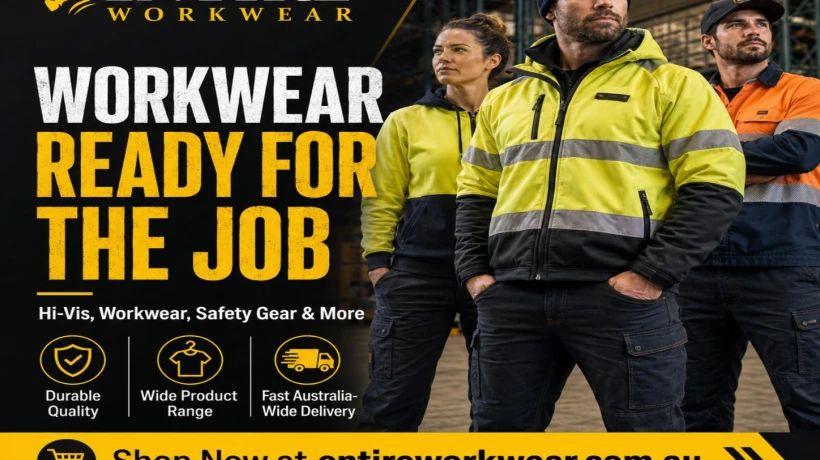
Choosing workwear is not simply about finding clothes that look suitable for the job. The right garments need to support comfort, movement, durability and safety throughout the working day. For workers in Perth, this can be especially important when jobs involve long hours outdoors, physical tasks, changing work environments or exposure to demanding conditions.
Whether you work in construction, warehousing, transport, landscaping, maintenance, hospitality or another hands-on industry, your clothing needs to suit both your role and your daily working conditions.
When comparing workwear Perth options, it helps to look beyond colour and style. Fabric, fit, visibility, weather suitability and practical features can all influence how comfortable and useful a garment feels over a full shift.
This guide explains the main factors to consider before choosing workwear for yourself or your team.
Start With the Conditions You Actually Work In
A common mistake is buying work clothing based purely on appearance or price. Before shopping, consider what your average working day actually involves.
Ask yourself questions such as:
-
Do I spend most of my shift indoors or outdoors?
-
Am I regularly exposed to direct sunlight?
-
Does my job involve lifting, bending or climbing?
-
Do I move between indoor and outdoor environments?
-
Am I working around machinery or vehicles?
-
Do I need additional visibility?
-
Does my workplace become cold early in the morning or late in the day?
-
Do my clothes regularly come into contact with dirt, dust or grease?
The answers help narrow down which garments are likely to perform best.
Someone working in a warehouse may prioritise flexibility and breathable clothing, while a tradesperson working outside may need a combination of lightweight shirts, durable pants and additional layers for changing conditions.
Choose Fabrics With Comfort in Mind
Fabric can make a noticeable difference during a long shift.
Work clothing needs to be strong enough for repeated use without becoming unnecessarily heavy or restrictive. For physically demanding roles, breathable materials and designs that allow good movement can make everyday work more comfortable.
Lightweight Options for Active Work
When your job involves frequent movement, lightweight garments can help reduce the feeling of heaviness during the day.
Depending on the workplace, suitable options may include:
-
Short-sleeve work shirts
-
Lightweight long-sleeve shirts
-
Work polos
-
Breathable tees
-
Work shorts
-
Lightweight work pants
Long sleeves can also be useful for workers who prefer additional coverage while remaining outdoors.
Heavier Garments for Tougher Conditions
Not every role calls for lightweight clothing. Workers dealing with rough materials, frequent kneeling or demanding environments may place greater emphasis on stronger fabrics and reinforced construction.
The ideal choice is often a balance between durability and comfort rather than simply selecting the thickest available fabric.
Make Sure Your Workwear Allows Easy Movement
Work clothing should move with you rather than fight against you.
A shirt that pulls across the shoulders every time you reach upward or pants that feel restrictive while kneeling can quickly become frustrating. Fit therefore matters just as much as fabric.
Before deciding on a garment, consider the movements involved in your job.
You may regularly need to:
-
Bend
-
Stretch
-
Crouch
-
Climb
-
Reach overhead
-
Lift equipment
-
Walk for extended periods
Look for workwear that provides enough room for these movements without being excessively loose.
Features such as stretch fabric, articulated knees, adjustable waistbands and practical garment cuts may be useful depending on your work.
Think About Visibility Requirements
For some workplaces, being clearly visible is an important consideration.
Workers operating near moving vehicles, machinery, loading areas or other busy environments may require high-visibility clothing as part of their workplace requirements.
Hi-vis workwear can include:
-
Shirts
-
Polos
-
Tees
-
Vests
-
Jackets
-
Jumpers
-
Pants
-
Coveralls
However, you should not assume that any brightly coloured garment automatically meets the requirements of your particular workplace.
Always follow the safety requirements, policies and clothing specifications provided by your employer, site manager or relevant workplace procedures.
Build Your Work Wardrobe Around Layers
Perth workers do not necessarily experience the same conditions throughout an entire shift. Early starts may feel very different from the middle of the working day, and indoor environments can differ significantly from outdoor sites.
Layering gives you more flexibility.
A practical workwear combination could include:
-
A comfortable tee, polo or shirt as the base layer
-
A jumper, fleece or hoodie for additional warmth
-
A work jacket for cooler or more exposed conditions
The advantage of layering is that garments can be added or removed as conditions change.
Rather than depending on one heavy piece of clothing, workers can adjust their outfit throughout the day.
Look for Practical Features You Will Actually Use
More features do not automatically make a garment better.
The most useful workwear features are the ones that match your job.
If you frequently carry tools, pens, a phone or small equipment, accessible pockets may be important. If you spend time kneeling or working close to rough surfaces, reinforced sections may be more valuable.
Useful features can include:
-
Multiple storage pockets
-
Secure zip pockets
-
Reinforced knees
-
Stretch panels
-
Adjustable cuffs
-
Ventilation areas
-
Longer shirt backs
-
Easy-access chest pockets
-
Durable fastenings
Before paying extra for specialised features, consider whether they will genuinely make your working day easier.
Check Fit and Sizing Before Buying
Good workwear should provide enough room to move comfortably while still fitting securely.
Sizing can vary between different garments and brands, so relying only on your usual size is not always the best approach.
When shopping through physical workwear shops, workers may have the opportunity to compare different fits and styles directly. When purchasing through other channels, checking the available size information becomes particularly important.
Pay attention to measurements for:
-
Chest
-
Waist
-
Hips
-
Inside leg
-
Sleeve length
For businesses buying uniforms for multiple employees, collecting individual sizing information before ordering can also help reduce unnecessary exchanges.
Consider How Often the Clothing Will Be Worn
Daily workwear gets washed far more frequently than many casual garments.
If you wear the same type of clothing five or six days each week, buying a single shirt or pair of pants may not be practical.
Creating a rotation can help workers maintain clean work clothing without needing to wash the same garment every evening.
A basic wardrobe might include:
-
Several shirts, polos or tees
-
Multiple pairs of work pants or shorts
-
One or two jumpers
-
A suitable jacket
-
Additional hi-vis garments where required
The exact quantity depends on your occupation, washing routine and workplace requirements.
Think About Durability and Long-Term Value
The cheapest garment at the time of purchase is not always the most economical choice over time.
Workwear may need to withstand regular washing, repeated movement and demanding environments. If clothing wears out quickly, replacing it frequently can become inconvenient and expensive.
Look carefully at:
-
Stitching quality
-
Fabric construction
-
Reinforced stress areas
-
Zippers and buttons
-
Pocket construction
-
Washing instructions
Think in terms of how often you expect to wear the garment rather than focusing only on its initial price.
A well-selected piece of clothing that remains comfortable and functional through repeated use can offer better everyday value.
Choose Different Workwear for Different Roles
Businesses ordering uniforms for a team should avoid assuming that every employee needs exactly the same garment.
A company may have office employees, warehouse workers, delivery drivers and outdoor staff working under very different conditions.
A coordinated uniform can still provide a consistent business appearance while allowing different garment types for different roles.
For example:
-
Office staff may wear business shirts and trousers.
-
Warehouse teams may prefer polos and flexible work pants.
-
Outdoor employees may require hi-vis shirts and weather-appropriate layers.
-
Drivers may benefit from lightweight clothing that remains comfortable when sitting for extended periods.
-
Supervisors moving between environments may need versatile layers.
Thinking about each employee's actual responsibilities can lead to a more practical uniform program.
Buying Workwear Online: What Should You Check?
Shopping digitally can make it easier to browse different garment types, sizes and workwear categories without visiting several stores.
Before purchasing workwear online, check the product information carefully rather than selecting an item based only on its image.
Look for details about:
-
Available sizes
-
Fabric composition
-
Garment fit
-
Colour options
-
Product features
-
Care instructions
-
Intended use
If you already know which types of shirts, pants, jackets or other garments suit your role, online shopping can also make replacing existing workwear more straightforward.
Do Not Forget Care and Maintenance
Even durable workwear needs appropriate care.
Before washing a new garment for the first time, check its care label. Different fabrics may have different washing, drying and ironing recommendations.
Proper care can help maintain:
-
Garment shape
-
Fabric condition
-
Colour
-
Reflective elements
-
Overall appearance
Workers should also inspect clothing regularly.
Damaged fastenings, significant tears or worn areas can make garments less comfortable and, depending on the workplace, may make them unsuitable for continued use.
Create a Practical Workwear Checklist
Before making your next purchase, use a simple checklist.
Ask yourself:
-
Does this garment suit my working environment?
-
Is it comfortable enough for a full shift?
-
Can I move freely while wearing it?
-
Is the fabric appropriate for the conditions?
-
Does it have the practical features I need?
-
Is the fit suitable?
-
Can it handle regular washing?
-
Does it meet my workplace's clothing requirements?
-
Will it work with the other garments I already own?
If a garment meets these everyday requirements, it is far more likely to become a useful part of your work wardrobe.
Final Thoughts
The right workwear should make your working day easier, not create another problem to manage.
Rather than choosing garments purely because they are cheap, fashionable or familiar, consider how they perform in the conditions you experience every day. Comfort, durability, fit, mobility, visibility requirements and practical features all deserve attention.
For Perth workers, building a flexible wardrobe with appropriate shirts, pants, shorts, outer layers and job-specific garments can help prepare for a variety of working environments.
Most importantly, choose clothing around the realities of your job. When workwear is selected with the worker, task and environment in mind, it becomes more than a uniform—it becomes practical equipment for the working day.



Comments
Login to Comment