How to Choose the Right Water Treatment System for a Soda Bottling Plant?
02 Sep, 2026
518 Views 0 Like(s)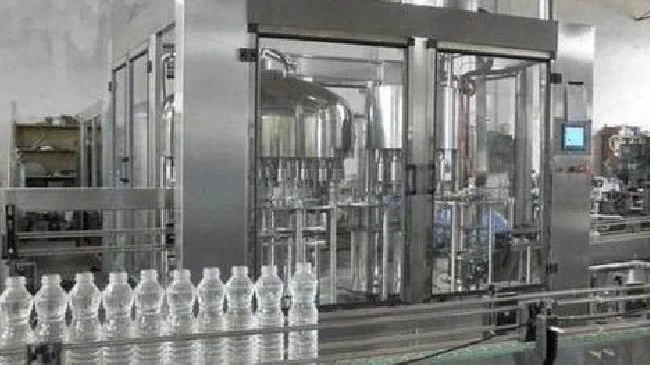
Choose the right water treatment system for your Soda Bottling Plant. Learn about RO, filtration, softening, UV, water quality, capacity, and maintenance.
Water is one of the most important ingredients in soda production. The quality of water used during production can affect the taste, consistency, appearance, and overall quality of the final beverage.
For this reason, choosing the right water treatment system is an important step when setting up or upgrading a Soda Bottling Plant.
Raw water can contain suspended particles, hardness, dissolved salts, chlorine, organic matter, and other impurities. The treatment system should therefore be selected according to the quality of the source water and the requirements of the beverage production process.
In this guide, we will explain how businesses can choose a suitable water treatment system for a soda bottling operation.
Why Is Water Treatment Important for Soda Production?
Water is not simply used for cleaning bottles and equipment. It is also a major component of many carbonated beverages.
If the source water has inconsistent characteristics, it can affect the production process and the consistency of the finished beverage.
Soda Water treatment plant can help reduce unwanted substances and provide water with characteristics suitable for the intended application.
However, there is no single treatment system that is suitable for every soda bottling plant. The correct process depends on the raw-water quality and the required treated-water quality.
Step 1: Test the Raw Water
The first step should be understanding the source water.
A water analysis can provide useful information about parameters such as:
- TDS
- pH
- Hardness
- Turbidity
- Chlorine
- Iron
- Chloride
- Sulphate
- Organic matter
- Other relevant contaminants
The source may be borewell water, municipal water, surface water, or another supply.
Testing the water before selecting equipment helps identify the treatment processes that may be required.
Step 2: Understand Your Water Requirement
The next step is to determine how much treated water the Soda Bottling Plant needs.
Water may be required for:
- Beverage production
- Syrup preparation
- Bottle rinsing
- Equipment cleaning
- Production-area cleaning
- Other plant operations
Not all water used in the facility necessarily requires the same level of treatment.
Separating different water requirements can help businesses select an appropriate treatment system and avoid unnecessary treatment costs.
Step 3: Select the Right Pretreatment
Pretreatment is often an important part of a water-treatment system.
Depending on the source-water quality, pretreatment may include:
Sand Filtration
A sand filter can help reduce suspended particles and turbidity.
Activated Carbon Filtration
Activated carbon can be used to reduce chlorine, certain organic compounds, and substances that may affect taste or odour.
Water Softening
A water softener can help reduce hardness where hardness is a concern.
Cartridge Filtration
Cartridge filters can provide finer filtration before processes such as RO.
The exact pretreatment arrangement should be based on the water analysis.
Step 4: Consider Reverse Osmosis
A Reverse Osmosis (RO) Plant may be considered when dissolved salts and other dissolved impurities need to be reduced.
RO uses a semi-permeable membrane to separate many dissolved substances from water.
A simplified process may look like:
Raw Water → Pretreatment → Cartridge Filtration → High-Pressure Pump → RO Membrane → Treated Water
RO is not automatically required for every soda bottling application. Whether it is appropriate depends on the raw-water characteristics and the required water quality.
Step 5: Consider UV or Ozone Treatment
Depending on the overall water-treatment design and application, additional disinfection may be considered.
UV Treatment
Ultraviolet treatment can be used as a disinfection stage to help control microorganisms.
Ozone Treatment
Ozone can also be used for water disinfection in suitable applications.
The appropriate disinfection method depends on the overall process design and water-quality requirements.
Step 6: Consider the Required Water Quality
Before choosing equipment, clearly define what quality the treated water needs to meet.
The requirements may depend on:
- Beverage formulation
- Production process
- Source-water quality
- Applicable standards
- Internal quality requirements
- Storage conditions
A water-treatment system should be designed around these requirements rather than selected only by its capacity or price.
Step 7: Select the Right Treatment Capacity
Capacity is another important consideration.
Water-treatment capacity may be expressed in LPH (Litres Per Hour) or KLD (Kilo Litres Per Day).
When calculating capacity, consider:
- Daily production
- Operating hours
- Water required per production cycle
- Cleaning requirements
- Peak demand
- Future expansion
It is useful to consider future production plans when selecting the system capacity.
Step 8: Think About Storage and Distribution
Treated water needs to be stored and distributed properly.
The system may include:
- Treated-water storage tanks
- Transfer pumps
- Distribution piping
- Level controls
- Flow monitoring
- Suitable valves and fittings
Storage and distribution should be designed to maintain the required water quality until the water reaches its point of use.
Step 9: Consider Material and Hygiene
Since the treated water may be used in beverage production, material selection is an important consideration.
Depending on the application, businesses may consider suitable materials for:
- Storage tanks
- Piping
- Pumps
- Valves
- Treatment equipment
Stainless steel may be considered for certain applications where hygiene, durability, and cleanability are important.
The appropriate material and grade should be selected according to the water chemistry, process requirements, and equipment design.
Step 10: Consider Automation
A modern water-treatment system can include different levels of automation.
Depending on the plant requirements, automation may help monitor:
- Water level
- Pressure
- Flow
- Conductivity
- Pump operation
- System alarms
The right level of automation depends on the size and complexity of the facility.
For a larger Soda Bottling Plant, automation can help operators monitor the system more consistently.
Common Water Treatment Mistakes to Avoid
Choosing a treatment system without understanding the actual water requirements can lead to operational problems.
Here are some common mistakes to avoid.
Choosing Equipment Without Water Testing
A standard treatment system may not be suitable for every water source.
Selecting Capacity Only by Production Volume
The plant should consider all relevant treated-water requirements, not just beverage production.
Ignoring Pretreatment
Poor pretreatment can affect downstream equipment such as RO membranes.
Using the Same Treatment for Every Application
Drinking or beverage-production water may have different requirements from water used for general cleaning or other purposes.
Focusing Only on Initial Cost
Consider operating costs, maintenance, consumables, energy requirements, and technical support as well.
How to Maintain the Water Treatment System
Regular maintenance is important for consistent operation.
Maintenance may include:
- Checking filters
- Replacing cartridge filters when required
- Monitoring RO performance
- Cleaning membranes when necessary
- Checking pumps
- Inspecting valves and piping
- Monitoring treated-water quality
- Maintaining UV or ozone equipment where installed
- Checking instruments and controls
A preventive maintenance schedule can help identify problems before they cause major interruptions.
How to Choose a Water Treatment Manufacturer
Choosing the right supplier is also important when setting up a water-treatment system.
When evaluating a manufacturer, consider:
- Experience with beverage applications
- Understanding of raw-water quality
- Ability to customize the system
- Quality of components
- Treatment capacity
- Installation support
- Commissioning assistance
- Maintenance support
- Availability of spare parts
- After-sales technical service
A reliable manufacturer should understand the water and production requirements before recommending a treatment configuration.
Why Spring Ion Exchange Can Help
Spring Ion Exchange provides water and wastewater treatment solutions for industrial and commercial applications.
For businesses planning a Soda Bottling Plant, the required water-treatment system can be evaluated based on raw-water quality, required capacity, water-use points, treated-water requirements, and site conditions.
Depending on the project requirements, treatment solutions may include:
- RO Plants
- Water Softener Plants
- Filtration Systems
- UV Treatment
- Ozone Treatment
- Other suitable water-treatment processes
The exact treatment configuration should be determined after reviewing the raw-water analysis and understanding the intended application.
For a project discussion, businesses can provide:
- Raw-water test report
- Required treated-water quantity
- Water source
- Beverage production requirements
- Intended water applications
- Available installation space
This information can help a Water Treatment Plant Manufacturer understand the project and recommend a suitable approach.
Final Thoughts
Choosing the right water treatment system is an important part of planning a Soda Bottling Plant.
The correct solution depends on several factors, including raw-water quality, required capacity, intended water use, treatment objectives, pretreatment requirements, material selection, and maintenance needs.
Instead of choosing equipment based only on price or capacity, businesses should first test their water and understand their actual treatment requirements.
An experienced water-treatment partner can then help evaluate the appropriate combination of filtration, softening, RO, UV, ozone, or other treatment processes.
Spring Ion Exchange can help businesses assess their water-treatment requirements and discuss suitable solutions for beverage and bottling applications.

Comments
Login to Comment