How to Choose the Right Warehouse Painting Contractors for Your Facility
09 Oct, 2026
22 Views 0 Like(s)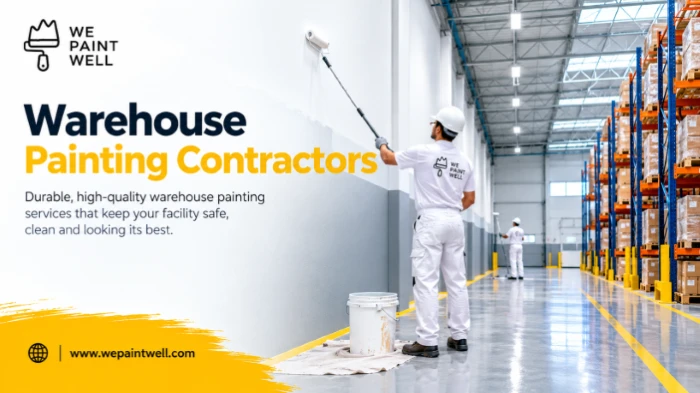
mural painters dubai
A well-maintained warehouse needs more than strong shelving and organised storage. Its walls, floors, ceilings and structural surfaces also require suitable coatings to withstand daily operations. Forklifts, machinery, dust, moisture and regular movement can gradually damage painted surfaces, making the right maintenance plan essential.
Choosing the right warehouse painting contractors helps facility managers protect surfaces, improve workplace visibility and maintain a clean, organised environment. However, not every painting company has the equipment, experience or technical knowledge required for a large industrial facility.
Before hiring a contractor, consider their experience, surface preparation methods, paint selection, safety procedures and ability to work around your operational schedule. This guide explains the main factors to review so you can make a well-informed decision for your warehouse in the UAE.
1. Look for Experience in Warehouse and Industrial Painting
Warehouse painting differs from painting a home or a small office. Large spaces, high ceilings, exposed steelwork and busy loading areas require careful planning and suitable application methods.
Choose a contractor with relevant experience in industrial and commercial facilities. Ask about previous projects involving warehouses, distribution centres, storage units or manufacturing buildings.
Questions to Ask Before Hiring
- Have you completed painting projects in warehouses similar to ours?
- Can you provide examples of previous work?
- Do you understand the requirements of operating facilities?
- Can your team work around stock, machinery and staff?
- What equipment do you use for elevated surfaces?
A contractor who understands industrial environments can plan the work according to the building layout, access requirements and operational demands.
For related services, review industrial painting services by We Paint Well to understand the scope of painting work available for industrial facilities.
2. Check Surface Preparation Methods
Paint performance depends heavily on the condition of the surface beneath it. Applying a new coat over loose paint, rust, grease or dust can lead to peeling, uneven coverage and premature deterioration.
Ask contractors to explain how they will inspect and prepare each surface before painting begins.
Essential Preparation Steps
- Surface inspection: Identify cracks, corrosion, moisture damage and failing paint.
- Cleaning: Remove dust, oil, grease and other contaminants using suitable methods.
- Repairs: Fill cracks, repair minor surface defects and address damaged areas.
- Sanding or mechanical preparation: Use an appropriate method for the substrate and existing coating.
- Priming: Apply a compatible primer where required.
- Final checks: Confirm that surfaces are ready for the selected paint system.
Metal structures may require specific corrosion preparation, while concrete walls and plastered surfaces may need different treatment. The contractor should recommend methods based on the actual condition of the building rather than applying the same process everywhere.
3. Choose the Right Paint and Protective Coatings
Warehouse surfaces face different challenges depending on their location and use. A coating suitable for an interior wall may not be appropriate for exposed steel, a loading bay or a damp service area.
Ask for a written specification that identifies the proposed coating, its intended application, preparation requirements and recommended number of coats.
Ask for Product Documentation
Request technical data sheets and application instructions for the proposed products. Where relevant, check drying times, ventilation requirements, maintenance needs and compatibility with existing coatings.
Avoid choosing a contractor solely because they offer the lowest quote. An unsuitable coating or inadequate preparation can result in additional repairs and operational disruption later.
4. Review Health and Safety Procedures
Warehouse painting may involve ladders, mobile elevated work platforms, ventilation controls, machinery and areas used by employees. Safety planning is therefore an important part of contractor selection.
Ask how the contractor will manage access to elevated areas, isolate work zones and protect workers, stock and equipment.
Safety Measures to Confirm
- Appropriate training and protective equipment for the work.
- Suitable access equipment for high walls and ceilings.
- Barriers, warning signs and controlled work areas.
- Safe storage and handling of paints and solvents.
- Adequate ventilation and compliance with product instructions.
- A documented risk assessment and method statement where applicable.
For UAE facilities, confirm that the contractor follows applicable occupational health and safety requirements and the relevant site rules. Work involving flammable materials, restricted areas or specialised coatings may require additional controls.
5. Plan the Project Around Warehouse Operations
Closing a warehouse completely for painting may not be practical. A capable contractor should discuss scheduling options that reduce interference with deliveries, storage activities and staff movement.
Ask whether the project can be divided into sections, with work completed during quieter periods or approved shutdowns.
What a Good Work Schedule Should Include
- Areas to be painted and their order of completion.
- Surface preparation and coating application dates.
- Drying and curing periods before areas return to use.
- Arrangements for moving or protecting stock.
- Access restrictions and safety barriers.
- Inspection milestones and handover arrangements.
Remember that paint drying and full curing are not always the same. Confirm when each area can safely be accessed or returned to service, following the coating manufacturer's instructions.
A clear schedule helps prevent avoidable delays and allows warehouse managers to coordinate staff, inventory and deliveries more effectively.
6. Inspect Previous Work and References
Photographs can provide an initial impression, but references from previous clients offer more useful insight into a contractor's reliability.
If possible, ask to see a completed industrial project or speak with a facility manager who has used the company. Look for consistent coverage, clean edges, appropriate markings and a tidy finish around structural components.
Ask previous clients about:
- Whether the project was completed within the agreed schedule.
- How the contractor handled unexpected surface problems.
- Whether the team maintained safe working conditions.
- How quickly defects or unfinished areas were addressed.
- Whether the finished coating has performed as expected.
Also confirm that the contractor has suitable insurance, any required licences and the resources to complete the proposed project.
7. Consider Every Surface, Including Furniture and Fixtures
Warehouse painting projects sometimes include more than walls and structural steel. Storage cabinets, workbenches, office furniture, doors and reception areas may also need attention.
Before the work starts, identify which items need painting, refinishing, protection or replacement. Wooden furniture may require a different preparation process and coating from metal cabinets or concrete surfaces.
If the facility includes a showroom, customer reception area or display section, decorative work may also be relevant. For instance, mural painters dubai may be worth considering when a business wants a branded feature wall, while crown molding painting may suit a finished office or reception interior with decorative trim.
These specialised services are separate from core industrial painting, so confirm that the contractor has the appropriate experience before adding them to the project scope.
8. Establish Quality Checks and Handover Requirements
The project should not be considered complete simply because the painters have left the site. Agree on inspection criteria before work begins.
The final inspection should cover:
- Uniform colour and coverage.
- Missed areas, drips, runs and visible defects.
- Proper finishing around corners, doors and fixtures.
- Completion of agreed repairs and markings.
- Removal of masking materials and work-related waste.
- Compliance with the specified drying and curing requirements.
Where the coating system requires it, ask whether measurements or adhesion tests are appropriate and who will carry them out. Any testing should follow the product specifications and relevant technical standards.
Record outstanding defects in a snagging list and agree on a date for their correction. Request product details and maintenance recommendations for future reference.
FAQ Section
1. How do I choose the best warehouse painting contractors?
Look for relevant industrial experience, proper surface preparation, suitable coating recommendations, documented safety procedures and clear quotations. Check references and confirm that the proposed schedule fits your facility's operations.
2. How much does warehouse painting cost in Dubai?
The cost depends on the total area, surface condition, ceiling height, paint system, access equipment and preparation required. Obtain an itemised quotation after a site inspection for a more reliable estimate.
3. What type of paint is best for a warehouse?
There is no single coating suitable for every warehouse surface. Washable wall paints may suit interior walls, corrosion-resistant systems may be needed for steel, and heavy-duty floor coatings may be appropriate for areas exposed to vehicle traffic. The selection should reflect the surface and operating conditions.
4. How can warehouse painting be completed without stopping operations?
Contractors may divide the facility into work zones, schedule painting during quieter periods and coordinate access restrictions with warehouse management. Each area should remain out of service until the coating is safe for its intended use.
5. How often should a warehouse be repainted?
There is no universal repainting interval. The timing depends on the coating type, exposure, traffic, cleaning methods and maintenance history. Regular inspections can identify peeling, corrosion, fading and other signs that repairs or repainting may be necessary.
Conclusion
Choosing the right warehouse painting contractors requires more than comparing prices. Prioritise industrial experience, thorough surface preparation, appropriate coatings, safe working methods and a realistic project schedule. A detailed quotation, verified references and agreed quality checks also help protect your investment.
For warehouse owners and facility managers in Dubai, careful planning can improve the appearance of the building, support safer and clearer working areas, and reduce avoidable maintenance problems. Assess your facility's requirements before appointing a contractor, and make sure every part of the project is clearly documented.



Comments
Login to Comment