How to Choose the Right Tyres for Your Car
28 Nov, 2025
10048 Views 4 Like(s)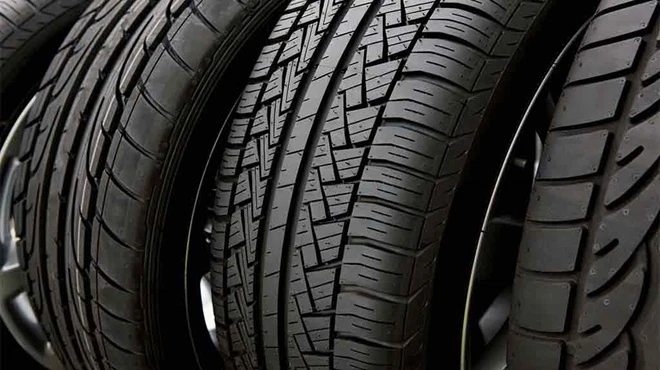
How to Choose the Right Tyres for Your Car Tyres are one of the most important components of your car, yet they are often overlooked. The right tyres not only ensure safety and comfort but also improve fuel efficiency, handling, and overall driving performance. Choosing the right tyres might seem confusing with so many brands, sizes, and types available in the market. Here’s a practical guide to help you pick the perfect tyres for your vehicle.
How to Choose the Right Tyres for Your Car
Tyres are one of the most important components of your car, yet they are often overlooked. The right tyres not only ensure safety and comfort but also improve fuel efficiency, handling, and overall driving performance. Choosing the right tyres might seem confusing with so many brands, sizes, and types available in the market. Here’s a practical guide to help you pick the perfect tyres for your vehicle.
1. Understand Your Tyre Size
Every car has a recommended tyre size specified in the owner’s manual or on the tyre sidewall. A tyre size looks like this: 195/60 R16 89H.
-
195 – Tyre width in millimeters
-
60 – Aspect ratio (height of sidewall as a % of width)
-
R16 – Wheel diameter in inches
-
89H – Load index and speed rating
Choosing the correct size ensures proper fit, optimal performance, and avoids unnecessary wear.
Tip: Never mix tyre sizes or buy oversized tyres unless recommended by the manufacturer.
2. Know the Tyre Types
Tyres come in different types depending on driving conditions and needs:
-
All-Season Tyres
Suitable for normal city and highway driving. They offer a balance of comfort, grip, and longevity. Ideal for moderate climates. -
Summer Tyres
Designed for hot weather and provide excellent grip on dry and wet roads. Not suitable for cold or snowy conditions. -
Winter Tyres
Offer better traction on snow, ice, and slippery roads. Not necessary in most Indian cities except in Himalayan regions. -
Performance Tyres
Optimized for speed and handling. Great for sporty cars, but may wear faster. -
Off-Road / SUV Tyres
Sturdier with deeper treads for rough terrain and mud. Ideal for SUVs and vehicles used on highways and countryside roads.
3. Consider Tyre Brand and Quality
While budget brands are tempting, tyres are a critical safety component, so quality matters.
-
Trusted brands like Michelin, Bridgestone, MRF, CEAT, Apollo, Goodyear, and Pirelli have proven reliability.
-
Quality tyres last longer, resist punctures better, and offer superior grip.
-
Cheap tyres may save money upfront but can compromise safety and mileage.
4. Check Tyre Tread Pattern
The tread pattern affects grip, handling, and water dispersion.
-
Symmetric Tread: Standard tyres, uniform pattern. Good for smooth roads.
-
Asymmetric Tread: Different patterns on inner and outer sides. Better cornering and wet performance.
-
Directional Tread: V-shaped grooves. Excellent water drainage and high-speed stability.
For Indian roads, tyres with good wet-weather performance and durable treads are preferable.
5. Pay Attention to Load Index and Speed Rating
-
Load Index indicates how much weight a tyre can carry. Ensure the tyres match or exceed your car’s weight requirements.
-
Speed Rating shows the maximum speed the tyre can safely sustain. Even if you rarely drive fast, maintaining the recommended rating ensures tyre integrity and safety.
6. Consider Fuel Efficiency
Low rolling-resistance tyres improve fuel efficiency. Many modern tyres carry an energy efficiency rating. Investing in fuel-efficient tyres can save money in the long run.
7. Inspect Tyre Age and Condition
Even new tyres can have a manufacturing date. Tyres older than 5 years may degrade even if unused. Check the DOT code on the tyre sidewall to ensure freshness. Always inspect for cracks, bulges, and punctures before installation.
8. Balance Comfort, Grip, and Durability
No tyre is perfect in every aspect. Consider your driving style and priorities:
-
City driving → comfort and durability
-
Highway driving → grip and stability
-
Off-road or hilly terrain → sturdiness and tread depth
Choose a tyre that suits most of your driving conditions rather than extreme performance alone.
Conclusion
Choosing the right tyres is about safety, performance, and longevity. Start by checking your car’s recommended size, consider tyre type, quality, tread, and driving conditions. Investing in the right tyres pays off with better mileage, safer driving, and a more comfortable ride. Regular tyre maintenance—like pressure checks, wheel alignment, and rotation—also ensures that your tyres last longer and perform optimally.



Comments
Login to Comment