How to Choose a Kitchen Bin That Suits Your Space and Daily Routine
18 Aug, 2026
593 Views 0 Like(s)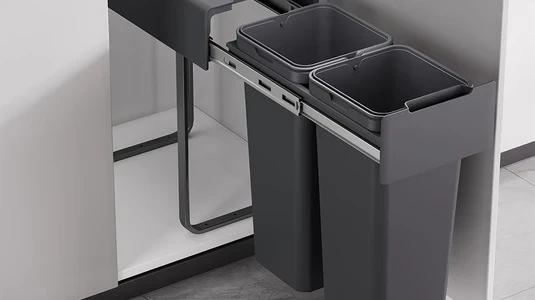
A kitchen bin is easy to ignore right up until it starts getting in your way. Too small, and you're emptying it constantly. Too large, and it swallows storage you needed for something else. Put it in the wrong cabinet, and even scraping a chopping board becomes a small hassle that interrupts the flow of cooking.
So choosing one is about more than litres. The right setup should fit the space you actually have, match the waste your household produces, and stay easy to reach while you cook and clean. Whether you're fitting out a new kitchen or upgrading an old one, a little planning around your cabinet sizes and daily habits goes a long way.
Start With Where the Bin Should Live
Before you compare kitchen bins, decide where waste storage would be most useful. In most homes, keeping the bin near the main prep area makes sense, so packaging and peelings can be dealt with without crossing the room.
Common spots include beneath a prep bench, next to the sink, inside an island cabinet, near the dishwasher, or within a pantry section. Picture your normal routine: where do you open packaging, chop vegetables, and scrape plates before loading the dishwasher? A well-placed bin makes even a simple system feel far more practical.
Measure the Cabinet Properly
Once you've chosen a location, measure the space carefully, and don't rely on the external cabinet width alone. The usable interior is reduced by cabinet walls, hinges, runners, plumbing, and other fittings.
Take down the internal width, depth and height, the door opening width, the gap between hinges, and note any obstructions inside. Under-sink cabinets need extra attention, since the bowl eats into the height while pipes and filters take up room below. Measure more than once before ordering. A few millimetres can decide whether a system fits.
Think About How Much Waste You Actually Produce
Base capacity on your habits, not on the biggest container that will squeeze in. Look at your current bin and how often you empty it. A household that cooks most nights generates far more packaging and scraps than one that eats out regularly.
Weigh up the number of people at home, how often you cook, how much packaged food you buy, how frequently rubbish goes out, and your recycling arrangements. If your current bin fills before the day is done, downsizing to a tiny built-in option just creates extra work. Equally, an oversized one wastes cabinet space you could use elsewhere.
One Container or Several?
Waste separation shapes the type of system you need. Some households only want a single bin for general rubbish because recycling is handled outside. Others prefer two or more compartments in the same cabinet, splitting general waste from recycling, or rubbish from food scraps.
Multiple containers make sorting easier because you separate waste the moment you throw it out. The trade-off is that dividing a fixed space gives each container less capacity. Work out which stream fills fastest before deciding how to split the volume.
Consider a Pull-Out System for Concealed Storage
A pull out bin is ideal when you want waste tucked out of sight but still within easy reach. Rather than crouching and reaching into the back of a cupboard, the system slides the containers towards you, which is especially handy beneath a prep bench.
When comparing options, look past bucket size to the overall frame dimensions, the runner mechanism, the installation method, the clearance needed to open it, and how easily the buckets lift out. A generous capacity only helps when the whole system works smoothly in your cabinet.
Check How Far It Extends
Internal fit is only half the picture. When the drawer slides out, it needs room in front to open without colliding with anything. Check for interference from islands, opposite cabinetry, dishwasher doors, nearby drawers, and narrow walkways. This matters most in galley and compact layouts, where a bin can fit perfectly inside the cabinet yet block the walkway every time you open it.
Mind the Opening Mechanism and Runners
Integrated systems don't all work the same way. Some require you to open the door and pull the frame forward; others link the door movement to the bin. If the bin sees heavy use during cooking, quick, effortless access is worth prioritising. Aim for something that feels straightforward rather than fiddly.
Runner quality matters too, because a full bin weighs far more than the empty one you inspect in the showroom. The frame should feel stable when extended and glide smoothly without wobble. A steady frame also makes lifting out a full liner easier, since nothing shifts while you work.
Make Emptying and Cleaning Easy
A concealed bin still needs regular emptying and washing, so bucket removal should factor into your choice. Check that containers lift out without removing hardware, tilting awkwardly, or knocking the benchtop, which is especially relevant in low cabinets.
Kitchen waste leaks and spills even with liners, so choose a setup that lets you pull out containers, wipe the frame, reach the cabinet floor, and swap liners without a struggle. Awkward spots you can't reach become a daily irritation.
Match the Shape to the Space
Two bins with the same litre rating can have very different footprints; one tall and narrow, another short and wide. That difference decides whether it fits. A narrow build suits limited cabinet width, while a shorter design works better under a sink where height is tight. Compare actual dimensions, not just capacity.
Compare Pull-Out Layouts Carefully
If you're weighing up a waste bin pull out arrangement, look at the full system rather than bucket volume alone. Note whether the containers sit side by side, front to back, or in another layout. A narrow cabinet often needs a different configuration from a wide island cabinet. The best choice uses the space efficiently while keeping every container easy to reach.
A Few Final Checks
Don't forget bin liners; make sure common sizes fit your buckets comfortably, and keep spares nearby for quick swaps. Check whether individual parts, especially buckets, can be replaced later, since that extends the system's life. And think of the cabinet as a whole storage zone, leaving room for cleaning products, dishwasher tablets, and recycling bags rather than dedicating every centimetre to rubbish.
Final Thoughts
Choosing the right kitchen bin comes down to balancing space, capacity, and everyday convenience. Decide where waste storage will be most useful, measure carefully around hinges and plumbing, and size it to what your household actually produces. For an integrated system, weigh runner quality, removal clearance, cleaning access, and extension space alongside bucket size. Above all, choose a setup that supports how you already use your kitchen; when it fits the cabinetry and sits naturally in your routine, waste becomes a small, simple part of the day.

Comments
Login to Comment