How to Check a Used Car Before Buying
28 Nov, 2025
10015 Views 4 Like(s)
How to Check a Used Car Before Buying Buying a used car can be a smart way to save money, but it also comes with risks. A car might look clean from the outside yet hide serious mechanical issues underneath. That’s why a proper inspection — both visual and mechanical — is essential before making a purchase. Here is a complete, easy-to-follow guide on how to check a used car before buying, so you can avoid costly mistakes and find a reliable vehicle.
How to Check a Used Car Before Buying
Buying a used car can be a smart way to save money, but it also comes with risks. A car might look clean from the outside yet hide serious mechanical issues underneath. That’s why a proper inspection — both visual and mechanical — is essential before making a purchase. Here is a complete, easy-to-follow guide on how to check a used car before buying, so you can avoid costly mistakes and find a reliable vehicle.
1. Start with the Exterior Inspection
The exterior of a car can tell you a lot about its history and condition.
• Check for Rust, Dents, and Scratches
Small scratches are normal, but large dents, bubbles under the paint, or rust patches could indicate past accidents or poor maintenance.
• Inspect Panel Gaps
Uneven spacing between doors, bonnet, and bumpers may signal accidental repairs or replacements.
• Examine the Tyres
Uneven tyre wear could mean alignment issues or suspension problems. Also, check the tyre manufacturing date to see if they’re too old.
2. Check the Interior Condition
The cabin’s condition reflects how the car was used.
• Upholstery and Dashboard
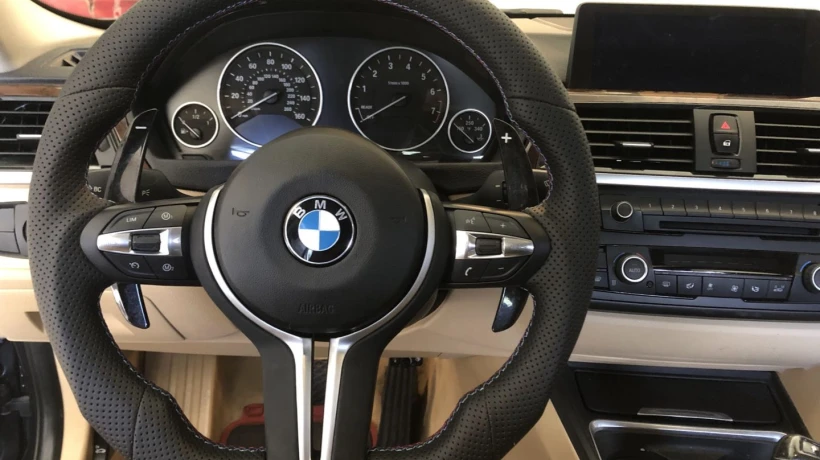
Look for tears, stains, cracked plastics, or loose fittings. Excessive wear may suggest high usage even if the odometer shows low km.
• Electronics and Features
Test all buttons: windows, AC, infotainment, reverse camera, wipers, horn, indicators, and lights. Faulty electronics can be expensive to fix.
• Smell Test
A strong smell of mold might indicate water leakage — a major red flag.
3. Inspect Under the Hood
The engine bay is the heart of the car — even if you’re not a mechanic, basic checks can help.
• Engine Oil
Pull out the dipstick. Oil should be clean and between the minimum and maximum marks. Thick, black, or gritty oil means poor maintenance.
• Coolant
Coolant should be brightly colored (usually green, red, or pink), not rusty or dirty. Low coolant levels can indicate leakage.
• Battery Condition
Check for corrosion on terminals and see if the battery looks too old. Many batteries last around 3–5 years.
• Belts and Hoses
Ensure there are no cracks, leaks, or excessive wear.
4. Check the Car’s History
Never skip this step — it can reveal things the seller might not tell you.
• Service Records
A well-maintained car will have regular service entries. This tells you the owner cared for the vehicle.
• Insurance Claims
Too many past claims may mean repeated accidents.
• Odometer Fraud Check
Compare the odometer reading with service records to ensure it hasn’t been tampered with.
5. Test Drive the Car
The test drive is the most important part of evaluating a used car.
• Engine Performance
The engine should start smoothly without unusual noises. Acceleration should feel consistent.
• Steering and Suspension
The car shouldn’t pull to one side, and bumps shouldn’t feel overly harsh.
• Braking
Brakes should respond quickly without vibrations or squeaking sounds.
• Transmission
For manual cars, gears should shift smoothly. For automatics, there should be no jerks during acceleration.
6. Check the Paperwork Thoroughly
Before finalizing, inspect all documents:
-
RC (Registration Certificate)
-
Insurance papers
-
PUC certificate
-
Loan NOC (if previously financed)
-
Original invoice
-
Service book
Make sure the chassis number and engine number match the documents.
7. Get a Mechanic’s Inspection
Even after your checks, always take the car to a trusted mechanic for a professional inspection. They can detect hidden issues in engine, clutch, suspension, and underbody.
Final Thoughts
Buying a used car doesn’t have to be risky. With the right approach and proper inspection, you can find a well-maintained vehicle that serves you for years. Take your time, compare options, and never rush the process. A little effort now can save you huge repair costs later.

Comments
Login to Comment