How the Revised US-Russia Sanctions Bill Could Impact US Imports
17 Jul, 2026
972 Views 0 Like(s)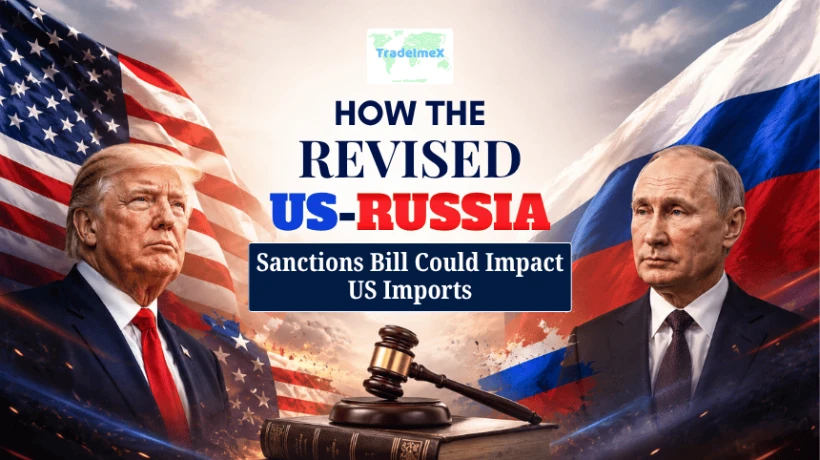
Global trade continues to evolve as geopolitical events reshape international commerce. One of the latest developments attracting worldwide attention is the US-Russia sanctions bill, which could significantly influence trade flows, sourcing strategies, and market stability.
Global trade continues to evolve as geopolitical events reshape international commerce. One of the latest developments attracting worldwide attention is the US-Russia sanctions bill, which could significantly influence trade flows, sourcing strategies, and market stability. If enacted or expanded, the revised legislation may alter how businesses source commodities, manage supply chains, and assess risks related to international trade.
For importers, manufacturers, logistics providers, and trade analysts, understanding the implications of new sanctions is essential. This article explores how the revised sanctions could affect US imports, global supply chains, commodity markets, and the broader landscape of US-Russia trade.
Understanding the Revised US-Russia Sanctions Bill
The proposed US-Russia sanctions bill, often referred to in discussions surrounding the Sanctioning Russia Act, aims to strengthen existing restrictions on Russia's economy by expanding penalties against sectors that contribute to Russian revenue. These measures may include tighter financial restrictions, increased export controls, and additional trade limitations on specific goods and entities.
The objective of the legislation is to increase economic pressure while reducing Russia's ability to finance strategic industries. Although sanctions primarily target Russia, their effects often extend across global markets because many countries rely on Russian commodities, energy products, and raw materials.
As a result, companies involved in international trade should closely monitor policy developments and evaluate potential disruptions to sourcing and procurement.
Current State of US-Russia Trade
Over the past several years, US-Russia trade has declined considerably due to previous sanctions and changing trade policies. Imports from Russia have shifted away from many traditional product categories, while businesses increasingly source goods from alternative markets.
Historically, US imports from Russia included products such as:
-
Fertilizers
-
Metals and steel products
-
Aluminum
-
Nickel
-
Palladium
-
Chemicals
-
Energy-related products
-
Wood products
Although trade volumes have decreased, Russia continues to influence global commodity markets. Any additional Russia sanctions could further reshape international supply chains and pricing dynamics.
Potential Impact on US Imports
1. Reduced Availability of Key Commodities
Expanded sanctions may further limit access to Russian raw materials and industrial products. Businesses relying on these imports may experience sourcing challenges and increased procurement costs.
Industries that could be affected include:
-
Automotive manufacturing
-
Aerospace
-
Electronics
-
Agriculture
-
Construction
-
Chemical production
Companies may need to identify alternative suppliers in countries such as Canada, Australia, Brazil, India, Vietnam, or members of the European Union.
2. Rising Commodity Prices
Russia remains a major global supplier of several essential commodities. Additional trade restrictions may reduce market supply, placing upward pressure on prices.
Potentially affected commodities include:
-
Aluminum
-
Nickel
-
Palladium
-
Fertilizers
-
Steel
-
Industrial minerals
Higher commodity prices can increase manufacturing costs throughout the supply chain, ultimately affecting import prices and consumer markets.
3. Supply Chain Diversification
One of the most significant outcomes of recent geopolitical changes has been the acceleration of supply chain diversification.
Instead of depending on a single country, many organizations are expanding supplier networks across multiple regions. This strategy helps reduce geopolitical risks while improving resilience against future disruptions.
Countries benefiting from this trend include:
-
Vietnam
-
India
-
Mexico
-
Indonesia
-
Malaysia
-
Thailand
Businesses adopting diversified sourcing strategies are generally better positioned to respond to changing trade conditions.
Impact on Global Supply Chains
The revised sanctions are unlikely to affect only the United States. Because supply chains operate globally, restrictions on one major supplier can influence manufacturers, distributors, and logistics providers worldwide.
Possible consequences include:
-
Longer procurement timelines
-
Increased transportation costs
-
Higher insurance premiums
-
Changes in shipping routes
-
Greater demand for alternative suppliers
-
Increased inventory planning
Organizations that monitor global supply chains using reliable trade data can react more quickly to market changes and reduce operational risks.
Implications for US Trade Policy
The revised sanctions reflect broader changes in US trade policy, where economic security increasingly intersects with foreign policy objectives.
Future policy developments may encourage:
-
Greater domestic manufacturing
-
Increased sourcing from allied countries
-
Expansion of strategic trade partnerships
-
Enhanced supply chain security initiatives
-
Stronger import compliance requirements
Importers should remain informed about regulatory updates and ensure that procurement strategies align with evolving compliance standards.
How Businesses Can Respond
Companies engaged in importing goods should proactively prepare for potential disruptions.
Recommended strategies include:
Diversify Supplier Networks
Avoid relying heavily on suppliers located in regions facing elevated geopolitical risks.
Monitor Trade Regulations
Sanctions can change rapidly. Staying informed helps businesses avoid compliance issues and unexpected disruptions.
Strengthen Supply Chain Visibility
Improved visibility enables businesses to identify bottlenecks, anticipate delays, and optimize procurement decisions.
Evaluate Alternative Markets
Emerging manufacturing hubs continue to attract global buyers due to competitive production capabilities and expanding export sectors.
Why US Import Data Matters
Accurate US import data has become increasingly valuable during periods of geopolitical uncertainty. Businesses use trade intelligence to identify sourcing opportunities, analyze competitors, and monitor changing import patterns.
Trade data can help organizations:
-
Track product-level import volumes
-
Identify new supplier markets
-
Analyze competitor sourcing strategies
-
Monitor changes in commodity demand
-
Discover emerging trade routes
-
Evaluate supplier reliability
-
Support procurement planning
Reliable import market intelligence enables companies to make informed sourcing decisions while adapting to changing market conditions.
Emerging US Import Trends
Recent US import trends indicate a gradual shift toward supplier diversification rather than dependence on a limited number of countries.
Several patterns are becoming increasingly visible:
-
Growing imports from Southeast Asia
-
Expansion of nearshoring in North America
-
Increased sourcing from India
-
Continued investment in resilient supply chains
-
Greater use of digital trade intelligence platforms
-
Increased demand for customs and shipment data
Businesses that analyze these trends are often better prepared to respond to policy changes and market volatility.
Tariff Impact on International Trade
While sanctions differ from tariffs, both influence global commerce by increasing the cost or complexity of cross-border trade.
The potential tariff impact associated with broader trade restrictions may include:
-
Higher landed costs
-
Increased customs compliance requirements
-
Supplier realignment
-
Changes in import demand
-
Fluctuating commodity prices
Organizations should regularly assess their procurement strategies to minimize exposure to unexpected cost increases.
Looking Ahead
The revised US-Russia sanctions bill highlights the growing influence of geopolitics on international commerce. Although the long-term effects will depend on the final scope of the legislation and global responses, businesses should expect continued shifts in sourcing strategies, commodity markets, and US imports.
Companies that leverage US import data, monitor US import trends, and invest in import market intelligence will be better equipped to identify opportunities, manage risks, and adapt to evolving US trade policy.
In an increasingly interconnected global economy, access to timely trade insights is no longer optional—it is a strategic advantage. Whether assessing the effects of Russia sanctions, evaluating changes in US imports from Russia, or planning for the broader tariff impact on international trade, data-driven decision-making will remain essential for navigating an uncertain trade environment.


Comments
Login to Comment