How Slitter Blades Improve Efficiency in Production Lines
05 May, 2026
1823 Views 0 Like(s)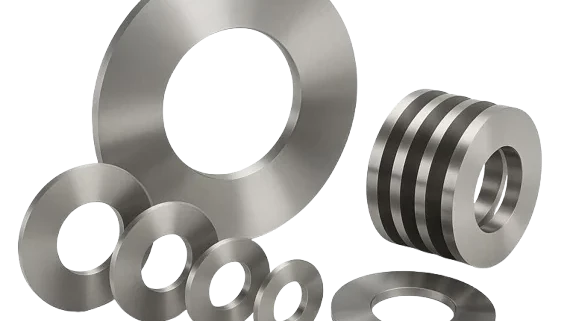
High-quality slitter blades play a vital role in improving production line efficiency by delivering precise, clean cuts and maintaining consistent performance at high speeds. They help reduce material waste, minimize downtime, and extend tool life, making operations more cost-effective. Advanced solutions like those from Maxwell Slitters ensure durability, accuracy, and better overall productivity across various industries.
In modern manufacturing, efficiency is the backbone of productivity and profitability. Whether in metal processing, paper converting, or plastic film production, slitting operations play a critical role in shaping raw materials into usable formats. At the heart of these operations are high-performance slitter blades—precision tools designed to deliver clean, accurate, and high-speed cuts.
This article explores how slitter blades significantly improve efficiency in production lines, with insights based on industry-leading solutions like Maxwell Slitter Industries and their advanced shearing blades.
Understanding Slitter Blades in Production
Slitter blades, also known as slitting knives or cutters, are specialized tools used to cut wide coils, sheets, or rolls into narrower strips. These blades operate in slitting lines where materials such as steel, aluminum, paper, plastics, and textiles are processed continuously.
There are different types of slitting methods, including:
- Razor slitting (for thin materials)
- Shear slitting (for high-precision cuts)
- Score slitting (for thicker or rigid materials)
Each method relies heavily on blade quality and precision to ensure optimal output.
1. Enhanced Cutting Precision
One of the primary ways slitter blades improve efficiency is through superior cutting accuracy. High-quality blades are engineered with tight tolerances and advanced grinding techniques, ensuring:
- Clean, burr-free edges
- Consistent strip width
- Minimal material distortion
Precision-engineered blades, like those produced with CNC grinding and vacuum heat treatment, ensure accurate cuts even at high speeds.
This level of precision reduces rework and material waste, directly improving production efficiency.
2. Increased Production Speed
Efficiency in production lines is closely tied to speed. Slitter blades designed for high-speed operations allow manufacturers to process large volumes of material quickly without compromising quality.
Modern slitting tools:
- Maintain sharpness over long cycles
- Withstand high rotational speeds
- Deliver consistent performance
High-speed slitting combined with durable blades ensures faster throughput and better utilization of machinery.
3. Reduced Downtime and Maintenance
Downtime is one of the biggest challenges in any manufacturing setup. Frequent blade replacements or maintenance interruptions can slow down operations and increase costs.
Advanced slitter blades improve efficiency by:
- Offering extended tool life due to high-grade materials like D2, HSS, and alloy steels
- Maintaining sharp edges for longer durations
- Reducing the need for frequent regrinding or replacement
Manufacturers often report noticeable reductions in downtime when using durable, high-performance blades.
4. Improved Material Utilization
Material waste can significantly impact production costs. Poor-quality blades often lead to uneven cuts, edge defects, and rejected materials.
High-performance slitter blades:
- Ensure consistent cutting accuracy
- Minimize scrap and edge trimming losses
- Improve overall yield from raw materials
By maintaining tight tolerances and clean edges, these blades help manufacturers maximize the use of every sheet or coil.
5. Versatility Across Industries
Slitter blades are widely used across multiple industries, including:
- Metal processing (steel, aluminum, copper)
- Paper and packaging
- Plastic and film converting
- Textile manufacturing
Their ability to handle different materials and thicknesses makes them a versatile solution for diverse production environments.
Custom-designed blades further enhance efficiency by meeting specific operational requirements, ensuring optimal performance in every application.
6. Superior Blade Design and Materials
The performance of slitter blades depends heavily on their material composition and manufacturing process. Leading manufacturers use:
- High-grade tool steels (D2, D3, HSS)
- Advanced heat treatment processes
- Precision surface finishing techniques
These features provide:
- High wear resistance
- Longer service life
- Consistent cutting performance
For example, premium blades are engineered to maintain hardness and sharpness even under heavy loads, ensuring uninterrupted production.
7. Better Product Quality
Efficiency is not just about speed—it also involves maintaining high product quality. Slitter blades contribute to this by:
- Producing smooth and uniform edges
- Eliminating burr formation
- Ensuring consistent dimensions
This results in higher-quality finished products, fewer defects, and improved customer satisfaction.
8. Cost-Effective Operations
While high-quality slitter blades may require an initial investment, they significantly reduce long-term operational costs by:
- Lowering maintenance expenses
- Reducing material waste
- Minimizing downtime
- Increasing production output
Their durability and efficiency make them a cost-effective solution for modern manufacturing systems.
Conclusion
Slitter blades are a critical component in any production line that involves cutting and processing materials. From improving precision and speed to reducing downtime and waste, these tools play a vital role in enhancing overall operational efficiency.
By investing in high-quality solutions like those offered by Maxwell Slitter Industries, manufacturers can achieve superior performance, consistent results, and long-term cost savings.
As industries continue to demand higher productivity and precision, advanced slitter blades and shearing blades will remain essential for driving efficiency in modern production lines.


Comments
Login to Comment